Services
Product Strategy & Discovery
Find the right problems to solve, shape the product and align stakeholders before writing serious code.
Scoping sprints that produce a clear product vision, MVP scope, phased roadmap, sitemap or AI/automation opportunity map, at whatever depth the decision actually needs.
8+ years, 60+ projects shipped, 4.97 / 5 across 34 Clutch reviews.
Built mostly for startup founders and product leaders and PMs.
The scope
What discovery covers
Discovery and planning across product, website, AI and the architecture behind them, scoped to the decision you need to make.
Where a new product or a major pivot starts. We turn a rough idea into a validated direction, a scoped MVP and a roadmap your stakeholders can rally behind.
- Product vision, value proposition, success metrics
- User journeys and key personas
- MVP definition and phased roadmap
- Architecture direction (at the right level of depth)
- Identification of AI/automation opportunities
For a new or rebuilt website: the goals, audiences and structure agreed up front, so design and build don't run on guesswork.
- Website goals, audiences and key journeys
- Sitemap / information architecture + key page wireframes
- SEO-informed content structure
- Performance and technical considerations
A focused look at where AI and automation actually pay off in your business, scored on value, feasibility and risk before anyone writes code.
- Map business processes and workflows
- AI/automation use-case ideation and prioritisation
- Feasibility and ROI assessment
- Solution concepts and implementation roadmap
The technical foundation decided early, the stack, architecture and sequencing, so the build that follows scales and doesn't need an expensive rewrite.
- Technology stack and platform selection
- Scalability, security and integration planning
- Build-vs-buy decisions and delivery sequencing
The result
What you end up with
What you get
- A product vision and MVP scope, or a sitemap and key-page wireframes
- A phased roadmap with milestones
- An architecture and tech-stack direction
- A prioritised AI and automation opportunity map where it applies
- A ballpark budget and timeline for the build that follows
What changes for you
- Stakeholders aligned on one scope, not three competing versions
- A build you can start with confidence instead of a guess
- A budget and timeline you can defend to investors or a board
Workshops
We surface goals, constraints, users and the real decision behind the project.
Synthesis
We turn the inputs into a vision, an MVP scope or a sitemap, depending on the track.
Architecture and feasibility
We read feasibility against the stack, so the plan holds up before the build.
- AI-augmented
AI in the loop
AI speeds research synthesis, market scans and option generation, while humans own the scope calls, the architecture direction and what we recommend you build, under a written AI Use Policy.
Where it fits
Where discovery fits in the bigger picture
Discovery has no packaged solution by design. It is the short first step, then you move straight into a build. These are the most common ways to start.
Proof
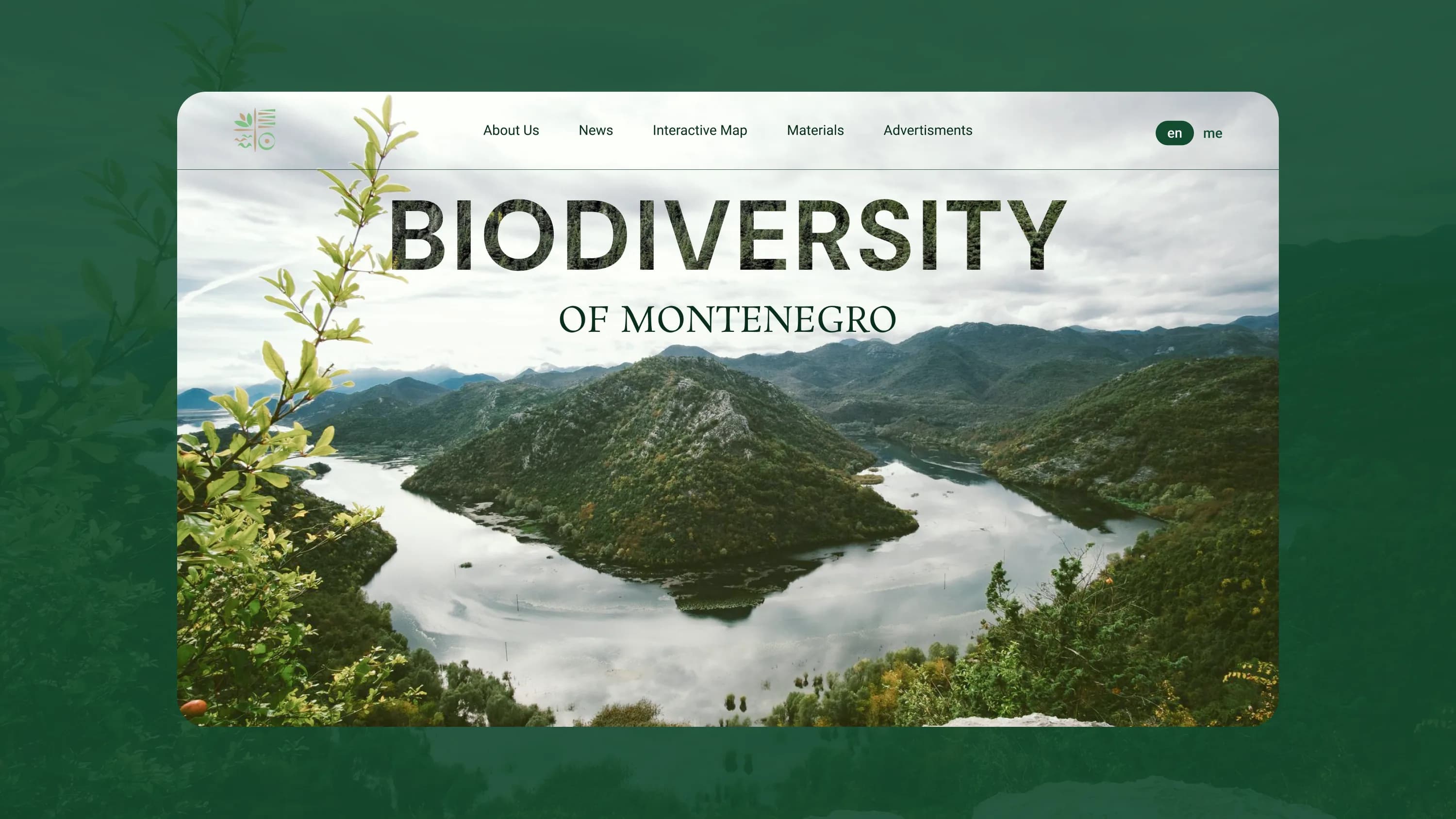
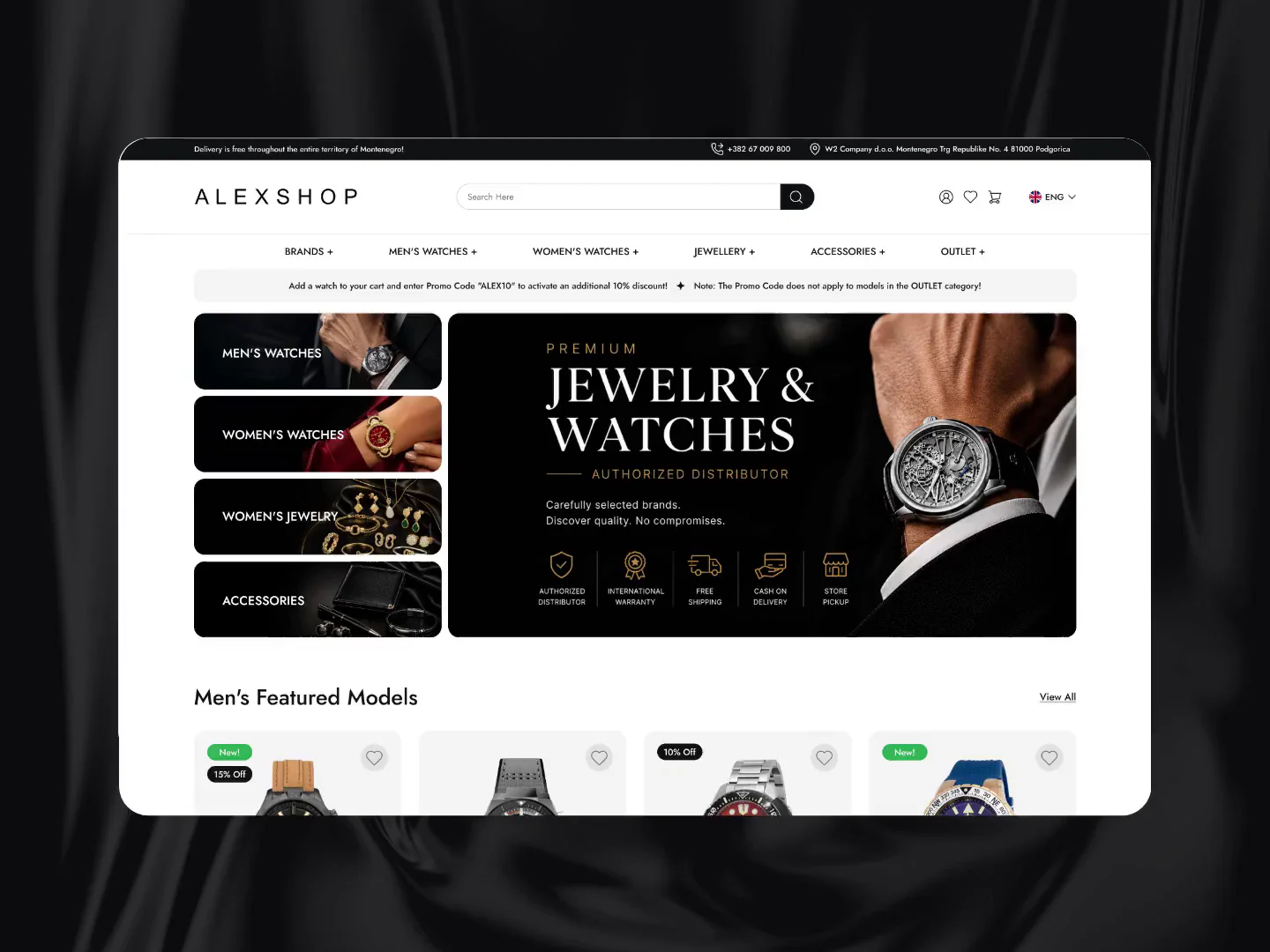
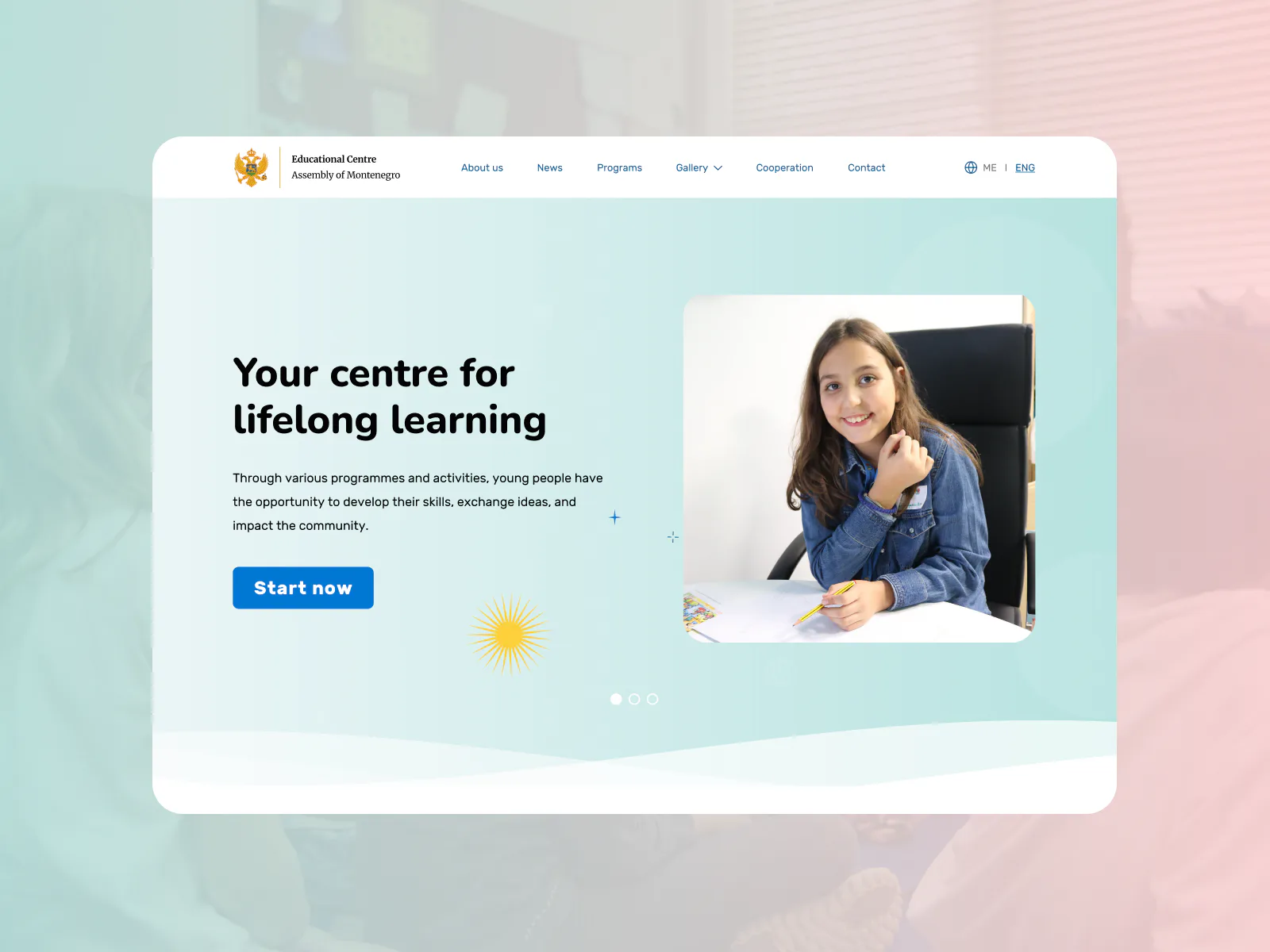
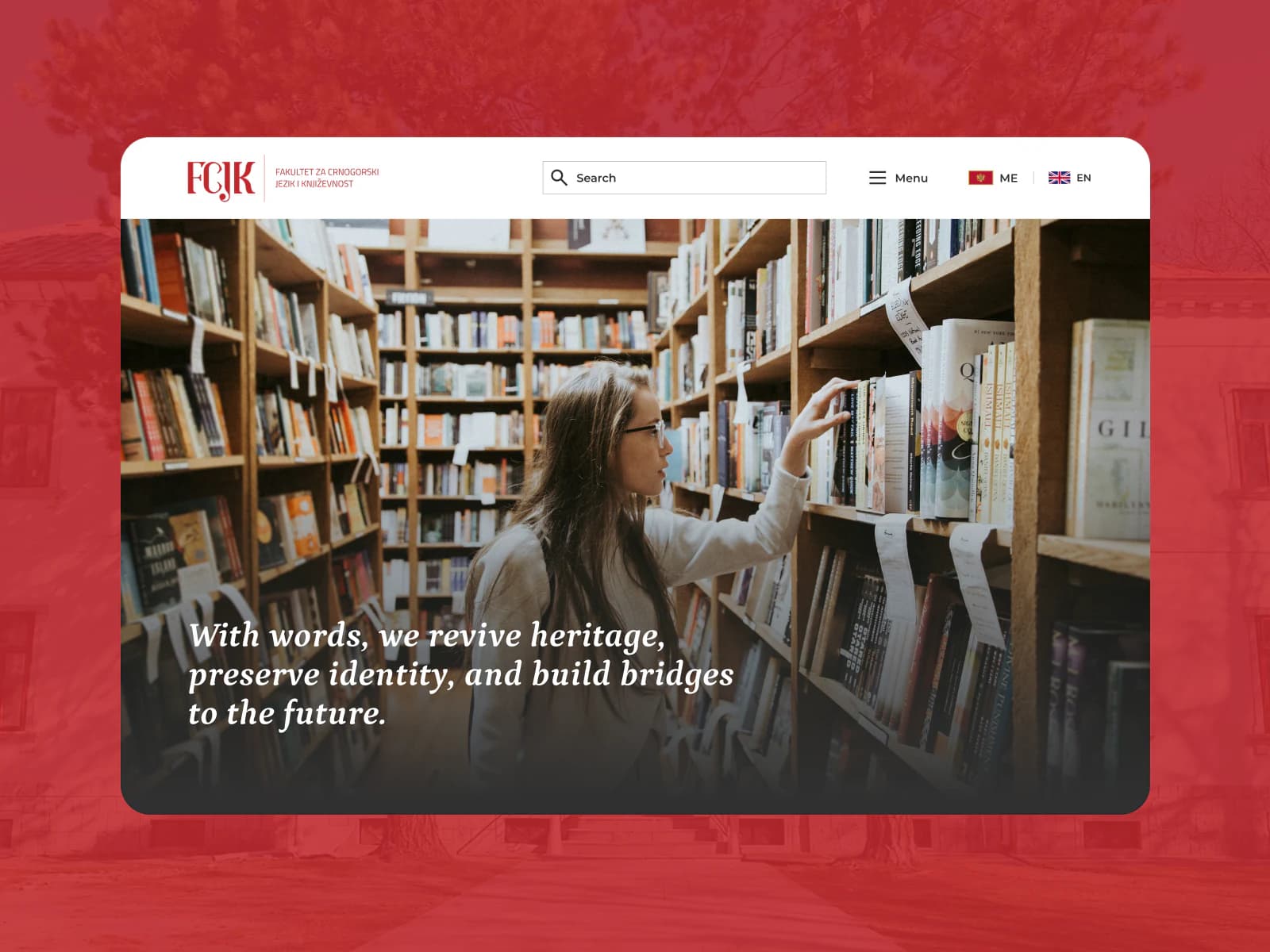
Selected projects that started with discovery
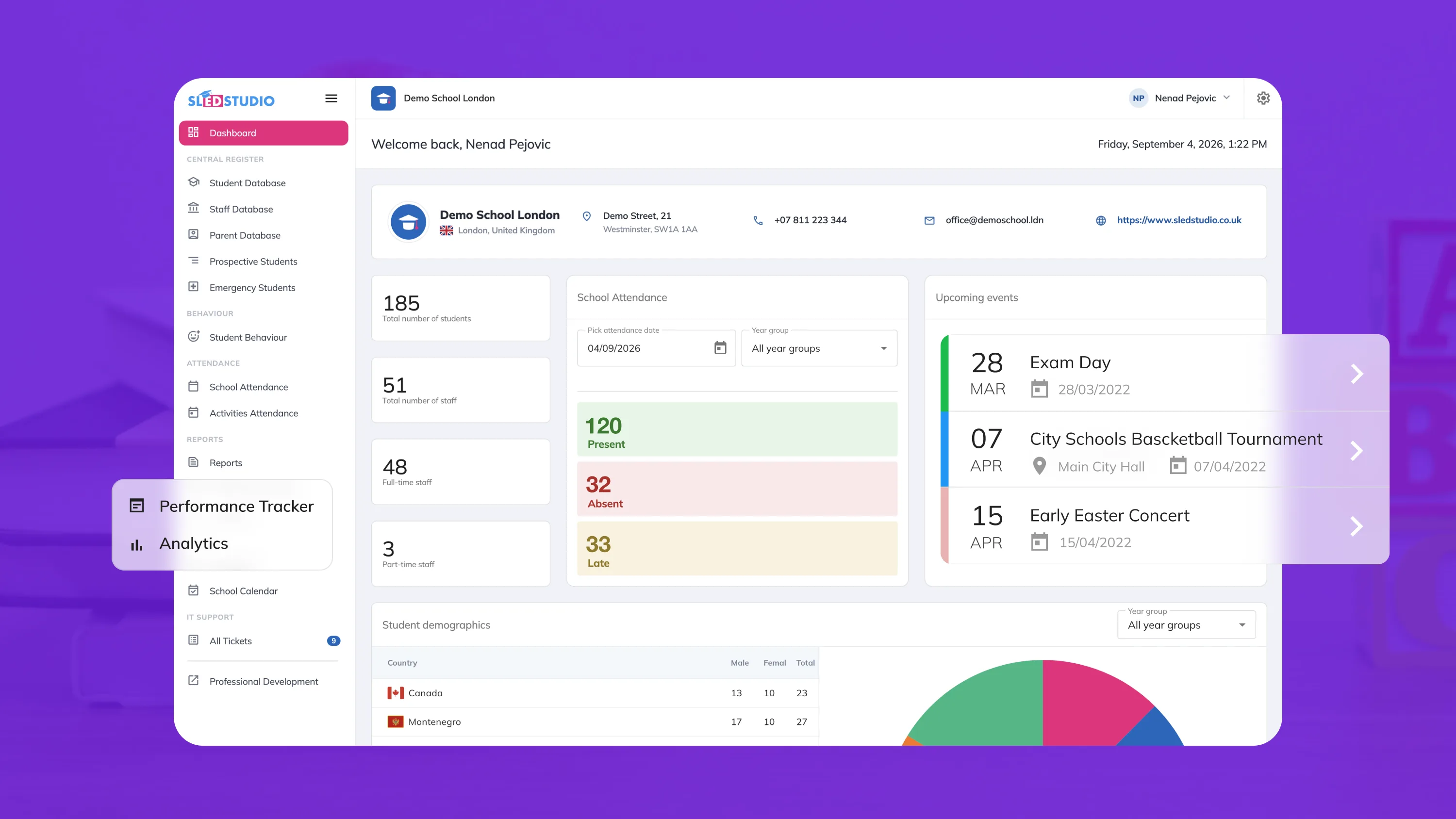
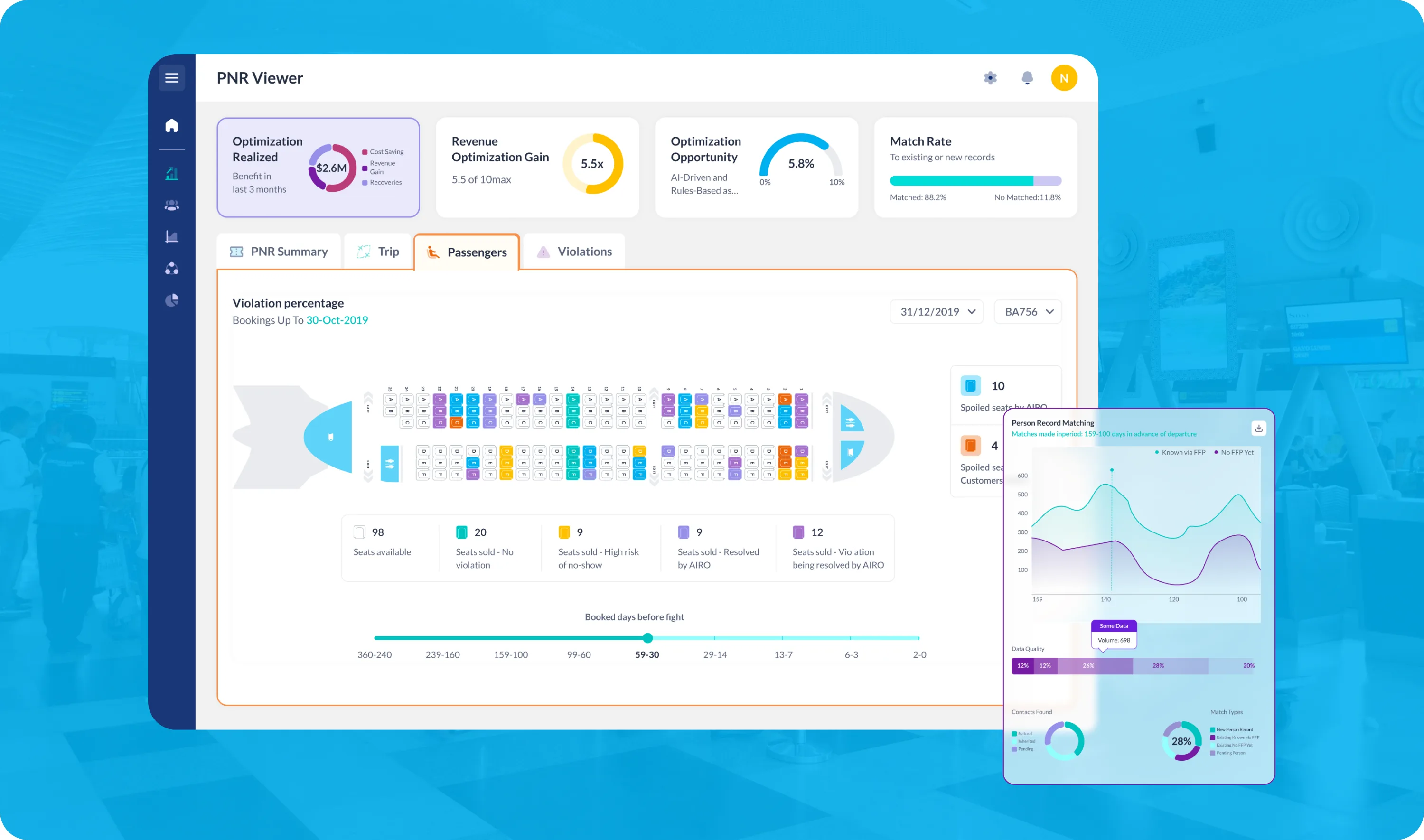
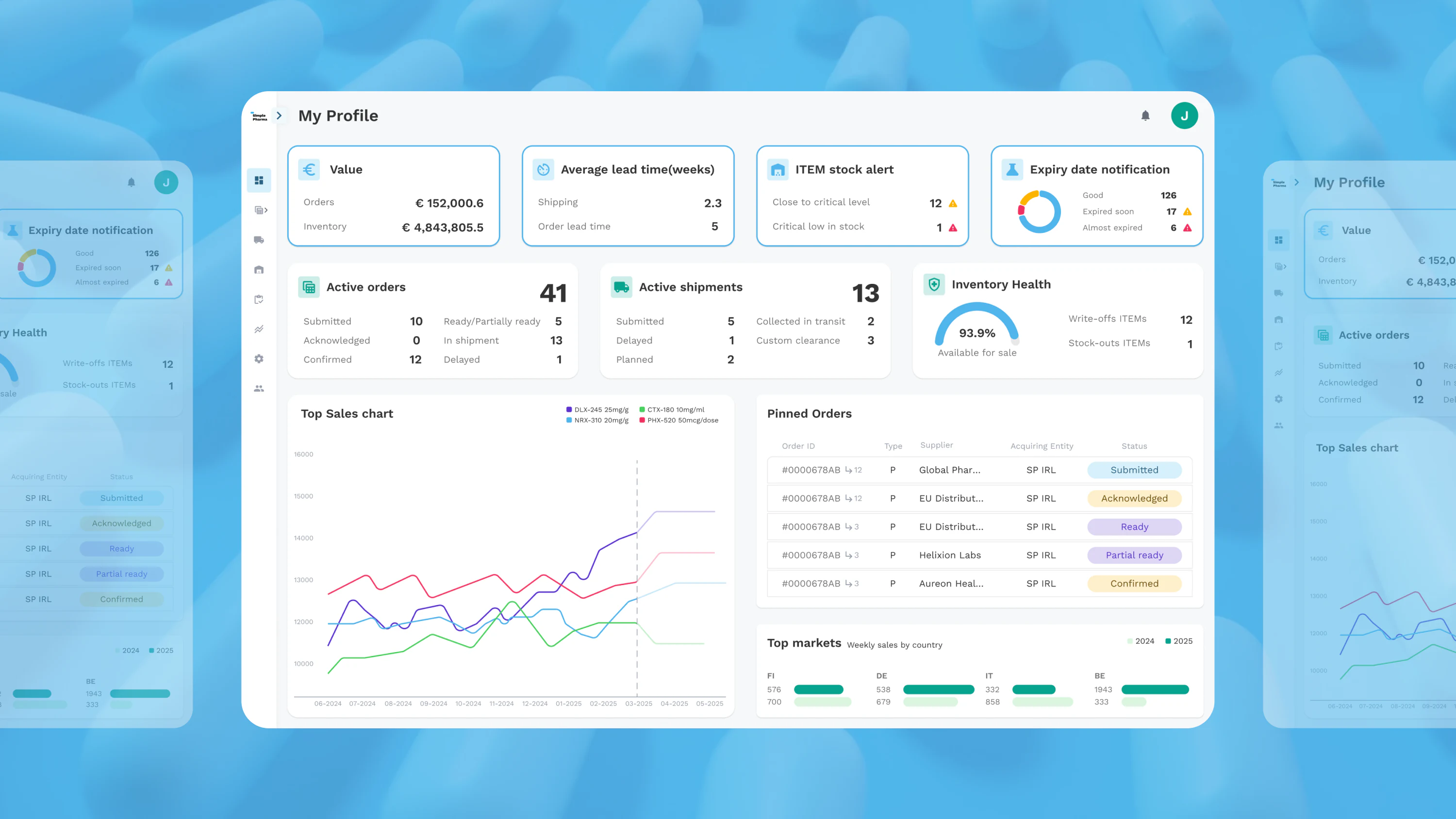
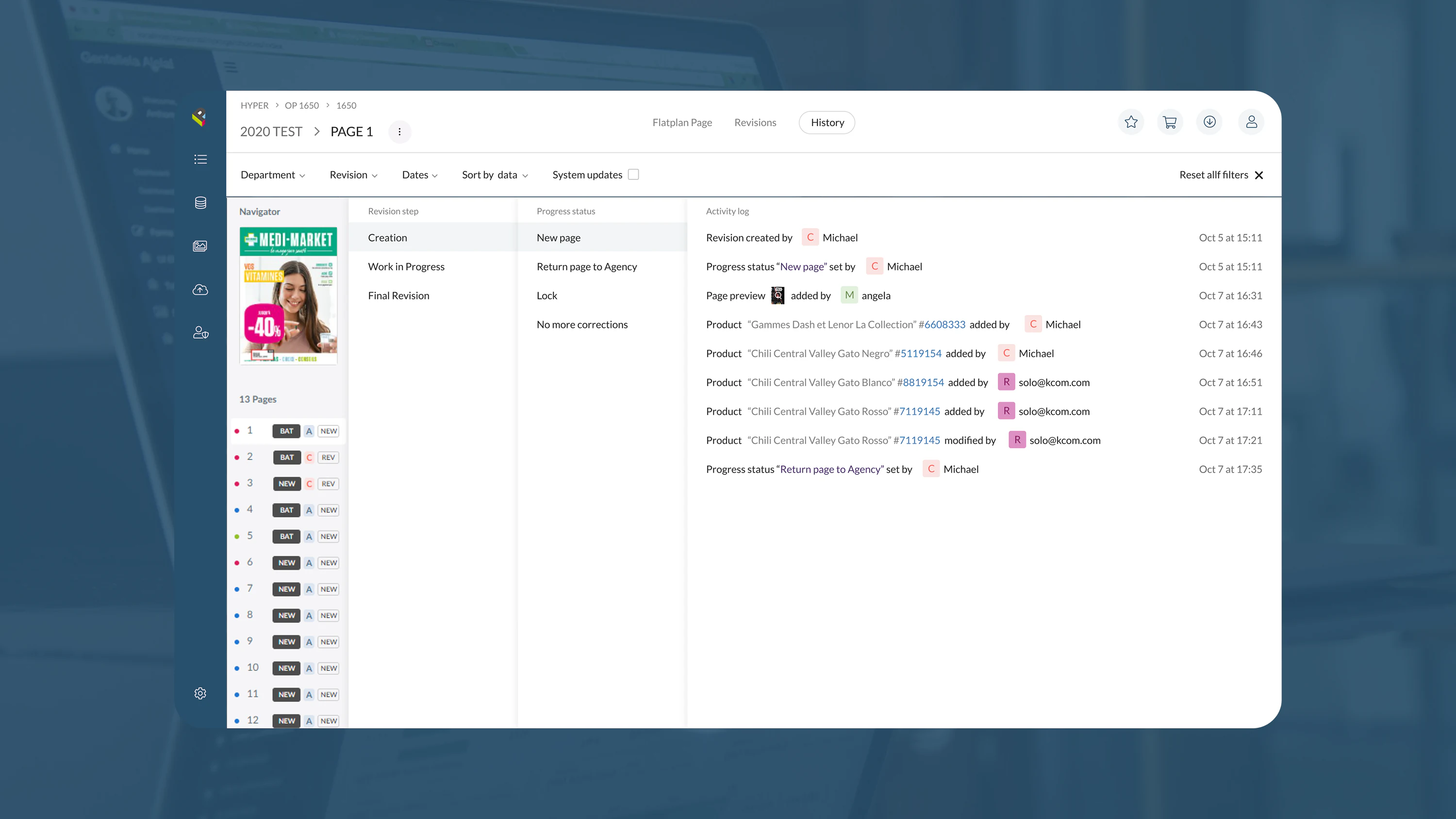
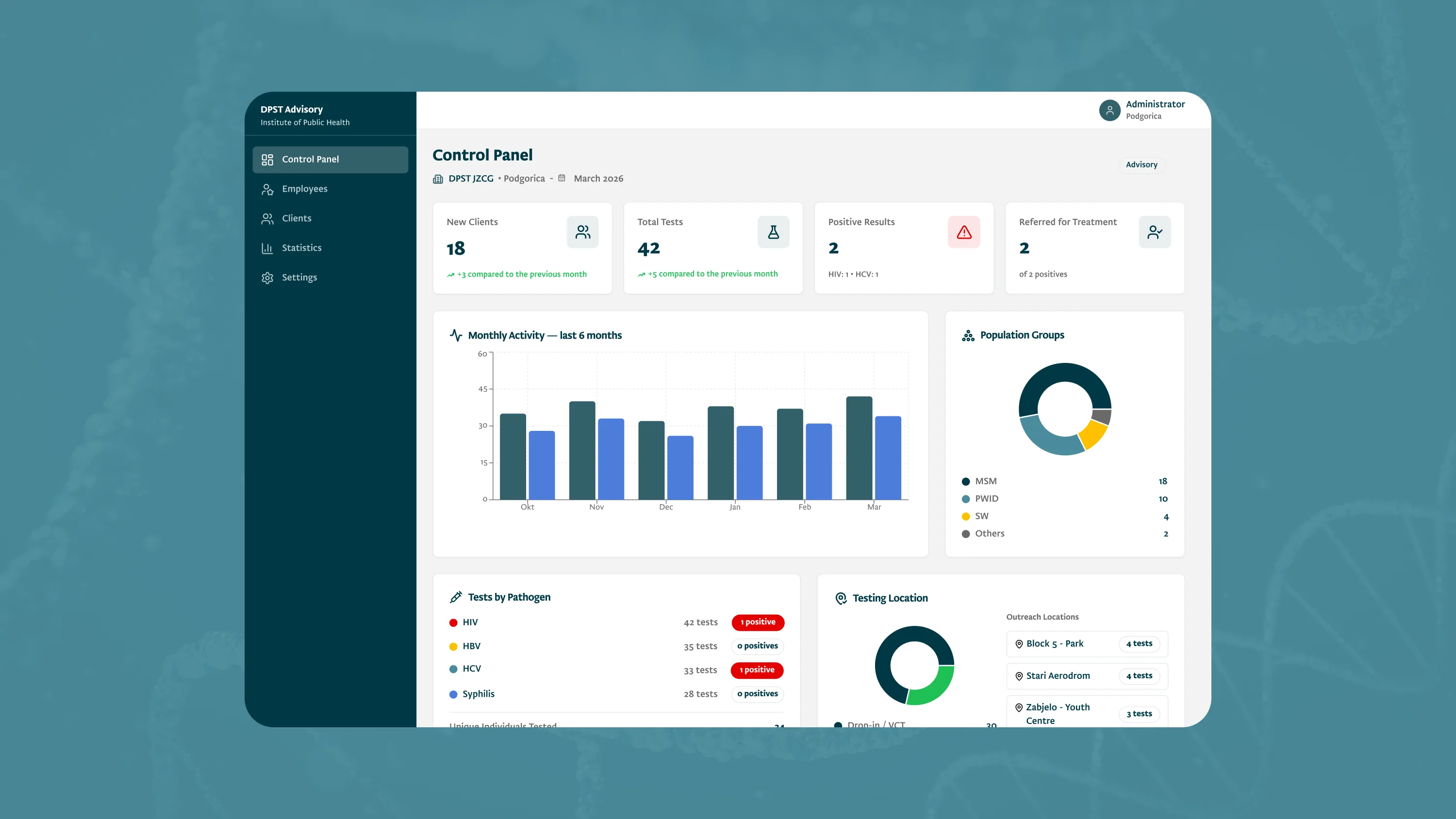
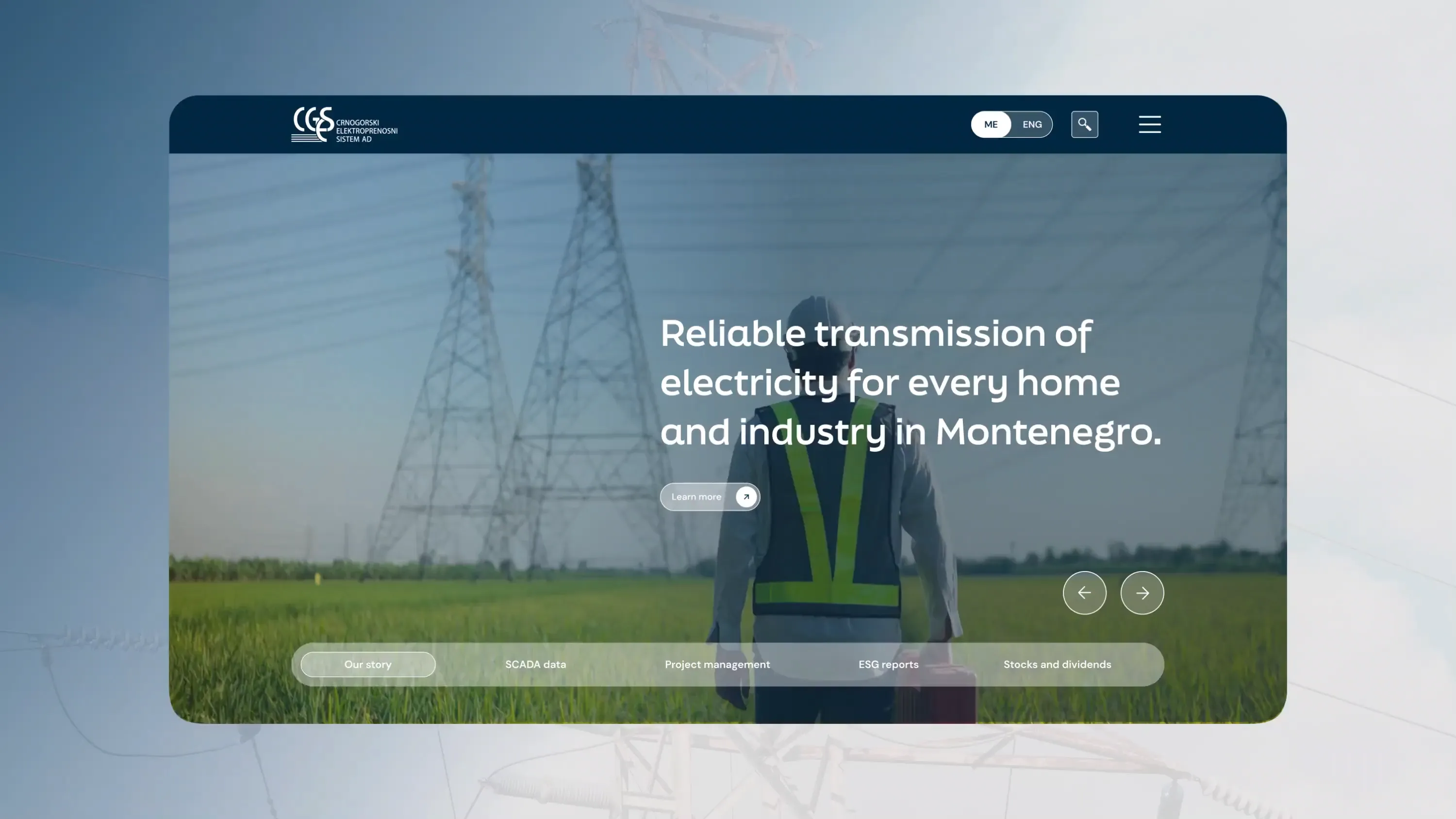
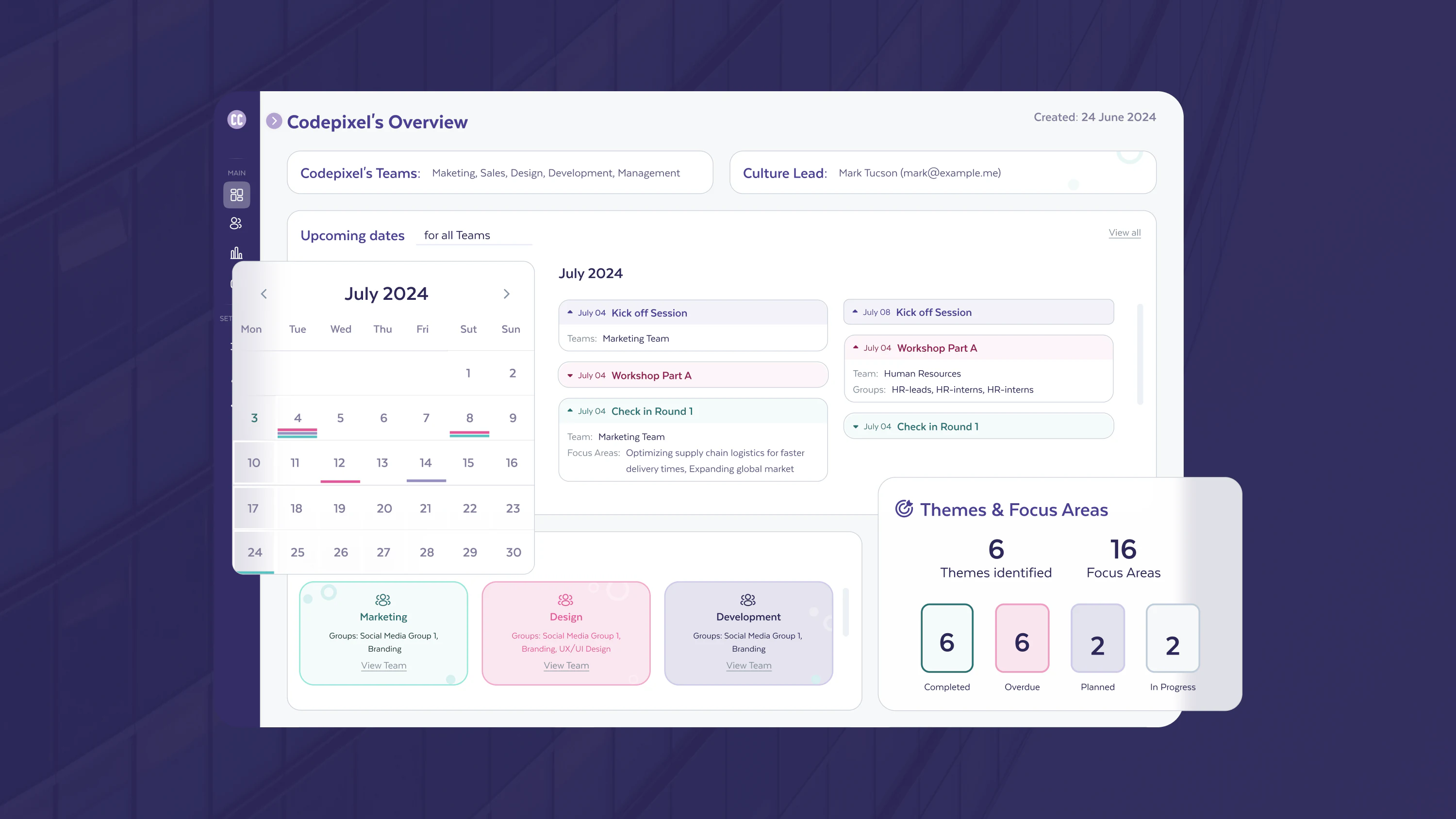
Discovery rarely ships on its own, so the proof is in what followed. A few projects where getting the scope and the plan right up front is the reason they shipped.




Next step
How to get started with discovery
Three steps from first call to a scope you can build from.
Discovery call
30–45 minutes
A 30 to 45 minute call to understand the idea, the constraints and the real decision behind the project. You talk to people who can answer technical and product questions on the spot.
Scoping sprint
1–3 weeks
The paid phase that follows the call and produces the scope, the roadmap and the budget, with the depth varying by track.
Move into the build
From there
Take the scope into an MVP, a custom SaaS build or another engagement. The discovery decides which.
FAQ
Common questions
A plan you can build from, not a research deck. Depending on the track that means an MVP scope or a sitemap and key-page wireframes, a phased roadmap with milestones, an architecture and tech-stack direction, the open risks written down, plus a ballpark budget and timeline for the build that follows. Where it applies, you also get a prioritised AI and automation opportunity map.
No. Producing that is what discovery is for. A rough goal, your real constraints and a first milestone are enough to start. If you arrive with a detailed brief we will happily pressure-test it; if you arrive with a one-line idea, we will help you shape it into a scope your stakeholders agree on and your engineers can build from.
Yes. It's yours either way. Discovery is a fixed-scope paid phase, and everything it produces, the scope, the roadmap, the architecture direction and the wireframes, belongs to you, written so another team could pick it up. We would obviously like to build it with you, but we deliberately make the discovery valuable on its own, not a hook that only works if you hire us next.
For new products or complex work, yes: a focused discovery or scoping sprint saves time and risk for both sides. For smaller, well-understood increments on existing systems, we can sometimes go straight into a small delivery phase after a structured triage call.
Serious new builds usually start at a meaningful multi-week scope (roughly €25–30k+ for an MVP) and scale with complexity, integrations and team size. Ongoing retainers are designed to support a focused senior-led squad rather than "a few hours per month".
You work directly with senior leads and experienced ICs; we don't hide a junior factory behind them. The people you meet in early conversations are usually the ones leading or working on your project.
Services
Ready to find the right thing to build?
Tell us about your idea or pivot and what is undecided. The first call is with our commercial lead, often joined by a senior product or engineering lead.
Build faster with AI
Our playbook for integrating AI into product design and development workflows.
Download the playbook