Is this for you
When this makes sense
This is the right entry point when the build works but the experience is holding it back.
You know something is off, but not what to fix first
Start with the audit-only scope: a heuristic and analytics review and a prioritised issues report, so you buy a plan before you buy a redesign.
The core flows still work, but they need rebuilding
Choose the redesign scope: we rework onboarding, dashboards and role-based screens, then leave a design system your team keeps reusing.
You are about to build and have no design yet
Take the greenfield scope: user flows, wireframes and high-fidelity UI from a blank page, ready for engineering before the first sprint.
Built mostly for product leaders.
- You want visuals with no regard for engineering reality.
- You need a one-off logo or brand pack, not product design.
The package
What's included
Design work scoped to what your product needs, from a focused audit to a full redesign and a reusable system.
User journeys for the jobs people actually do, with wireframes and high-fidelity UI in Figma across web and mobile app screens.
A UI kit and component library built once and reused, so the interface stays consistent as it grows.
Data-heavy views and permission-driven flows that real users can read and operate day to day.
Heuristic and analytics review, a prioritised issues report and redesign concepts for the key flows.
The result
What you end up with
What you get
- A UX audit report with issues ranked by impact and effort
- Up to 10 key user flows as wireframes and high-fidelity screens in Figma
- A design system with starter components and tokens your engineers reuse
- Screens and components designed to WCAG, with colour contrast, focus order and keyboard paths covered
- Clickable prototypes for usability testing and sign-off
- A Figma handoff with specs, tokens and component notes
What changes for you
- The top 10 usability issues fixed and closed off against the audit report
- A consistent interface that scales as features and data grow
- Fewer design-to-build rounds, because flows are feasible from the start
How it works
From first call to launch
- Week 0
Audit and goals
We review the product, the metrics and where users drop off.
- Weeks 1-2
Flows and wireframes
Information architecture and the key user journeys.
- Weeks 2-6
High-fidelity UI
Polished screens, designed against engineering reality.
- Handover
Design system and specs
A component library your engineers can build against.
Discovery first
We start with the jobs users do, the roles in the product and the constraints from the stack.
Wireframes and flows, then UI
Structure before polish: flows and wireframes first, high-fidelity UI once the structure holds.
Prototypes and a design system
Clickable prototypes for testing and sign-off, then a system the team builds once and reuses, with developer-ready handoff.
- AI-augmented
AI in the design loop
AI speeds research synthesis, UX copy variants and component exploration, while humans own the flow decisions, the usability calls and what ships, under a written AI Use Policy.
Proof
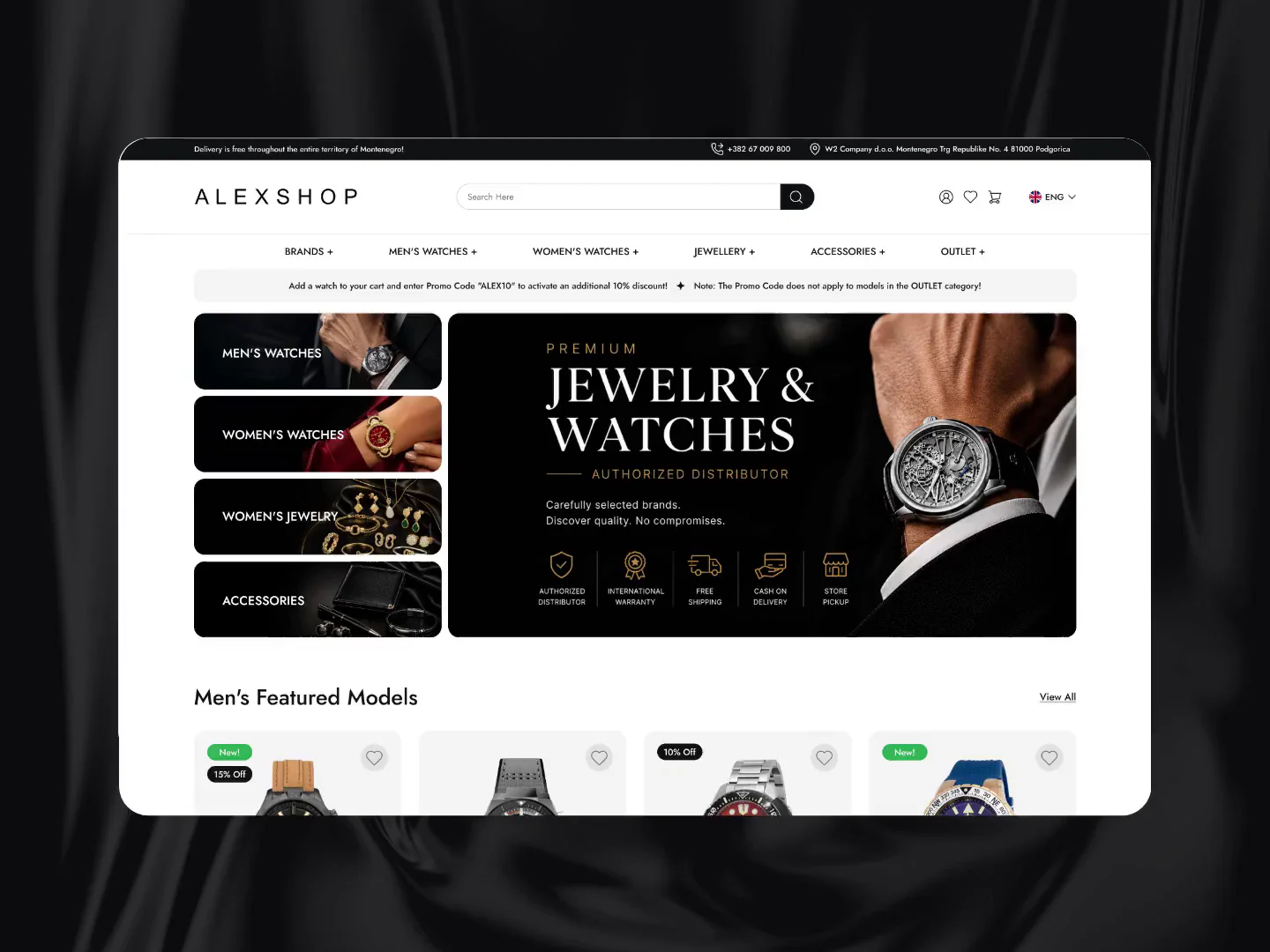
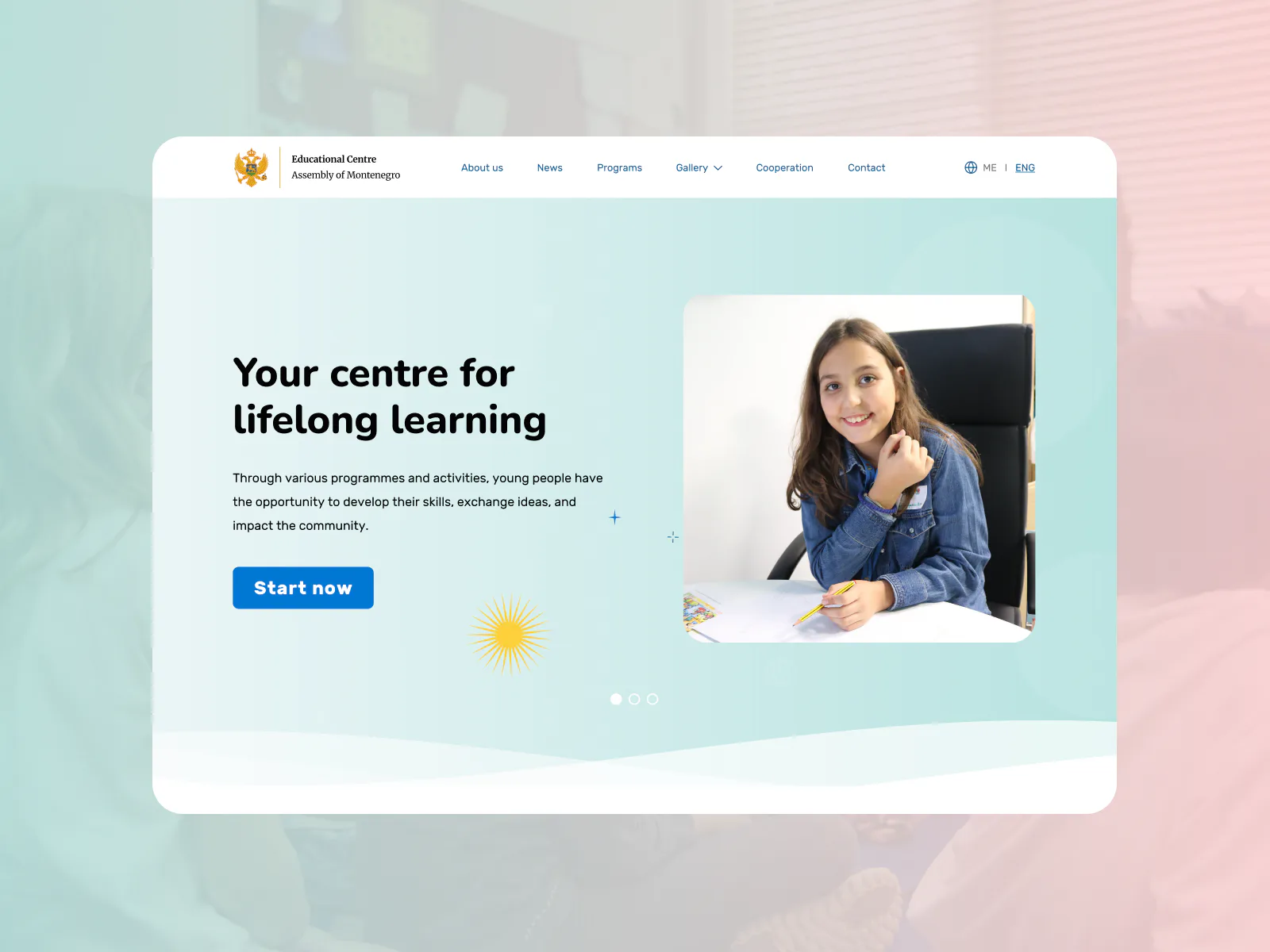
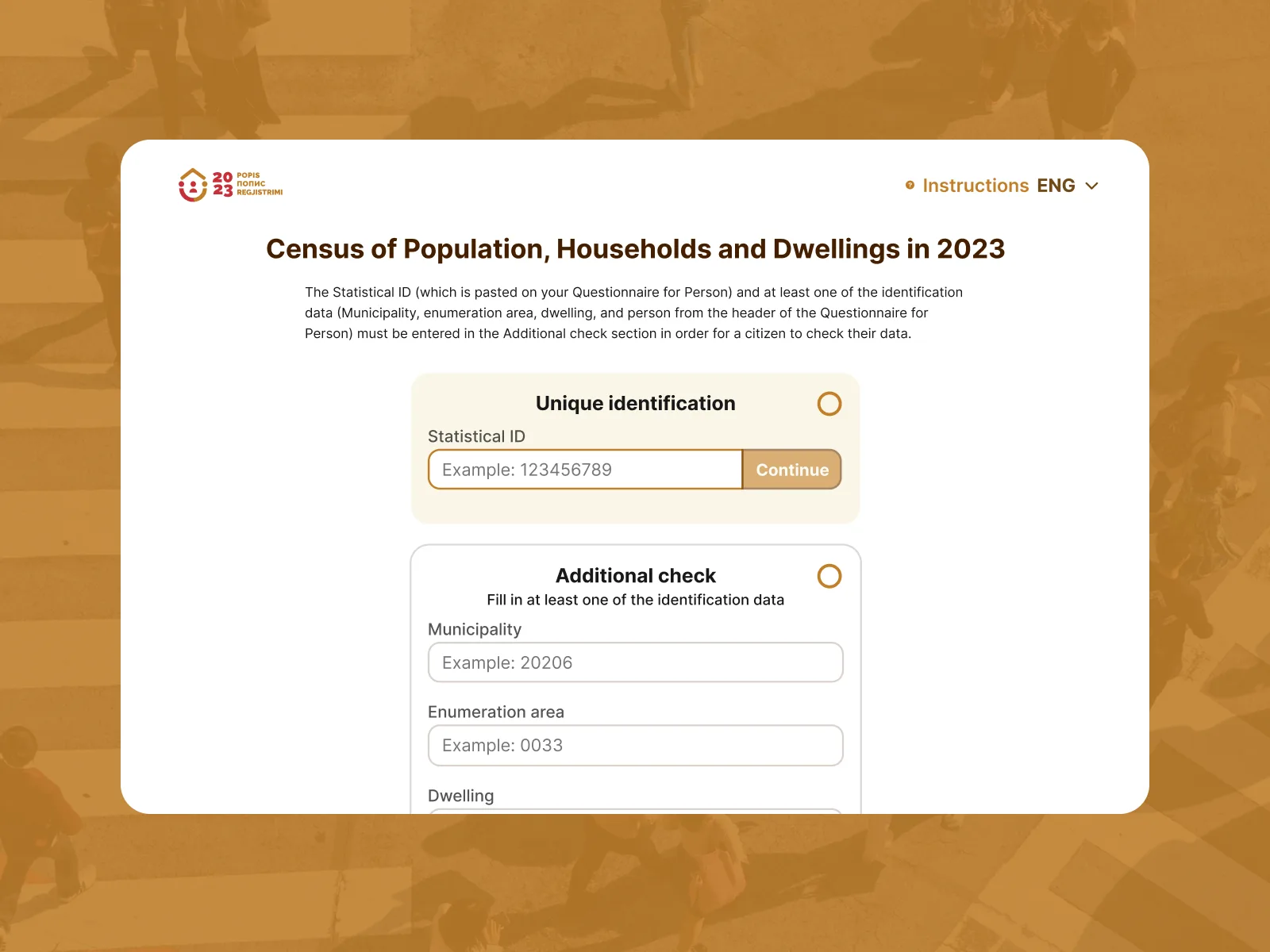
Selected work from this discipline
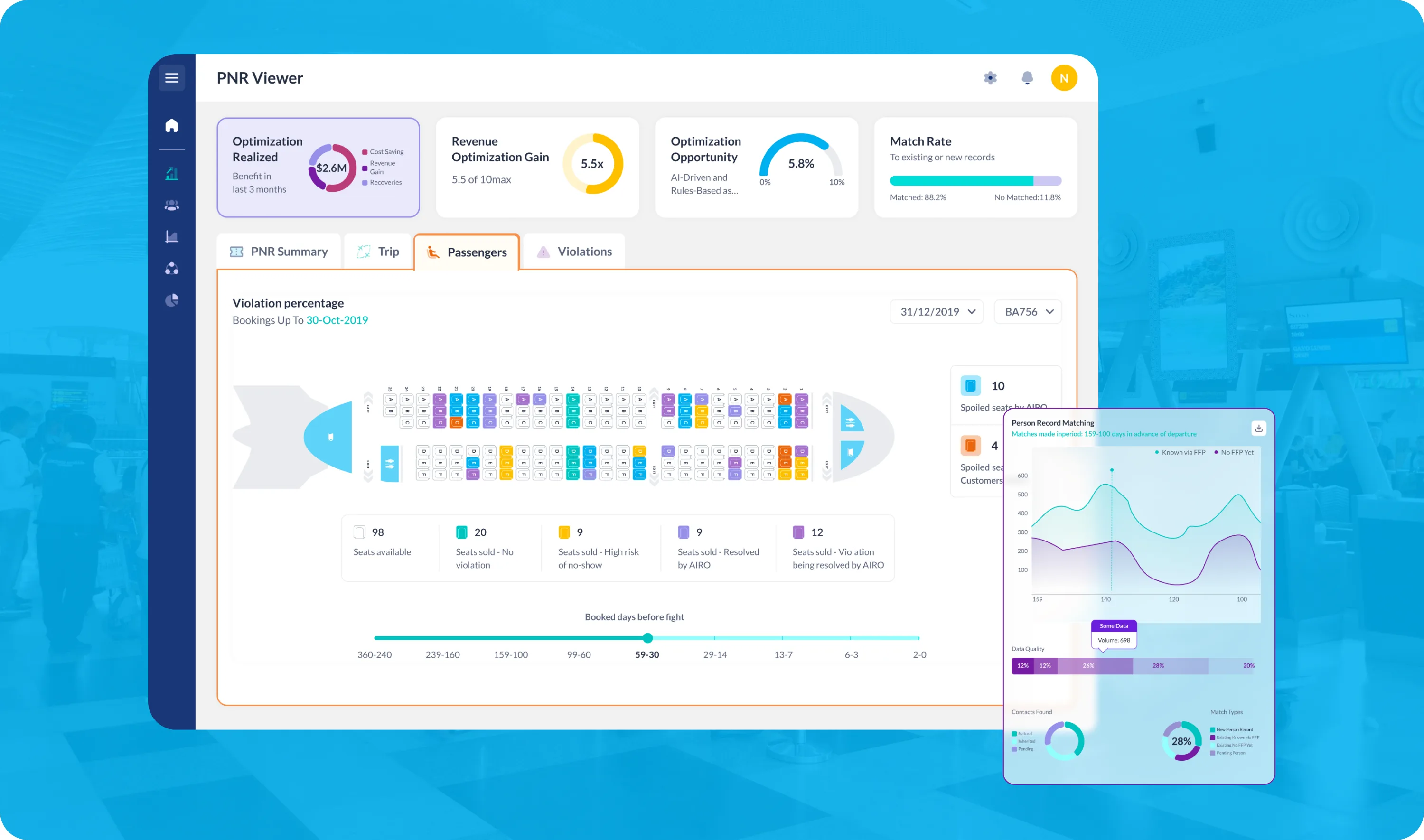
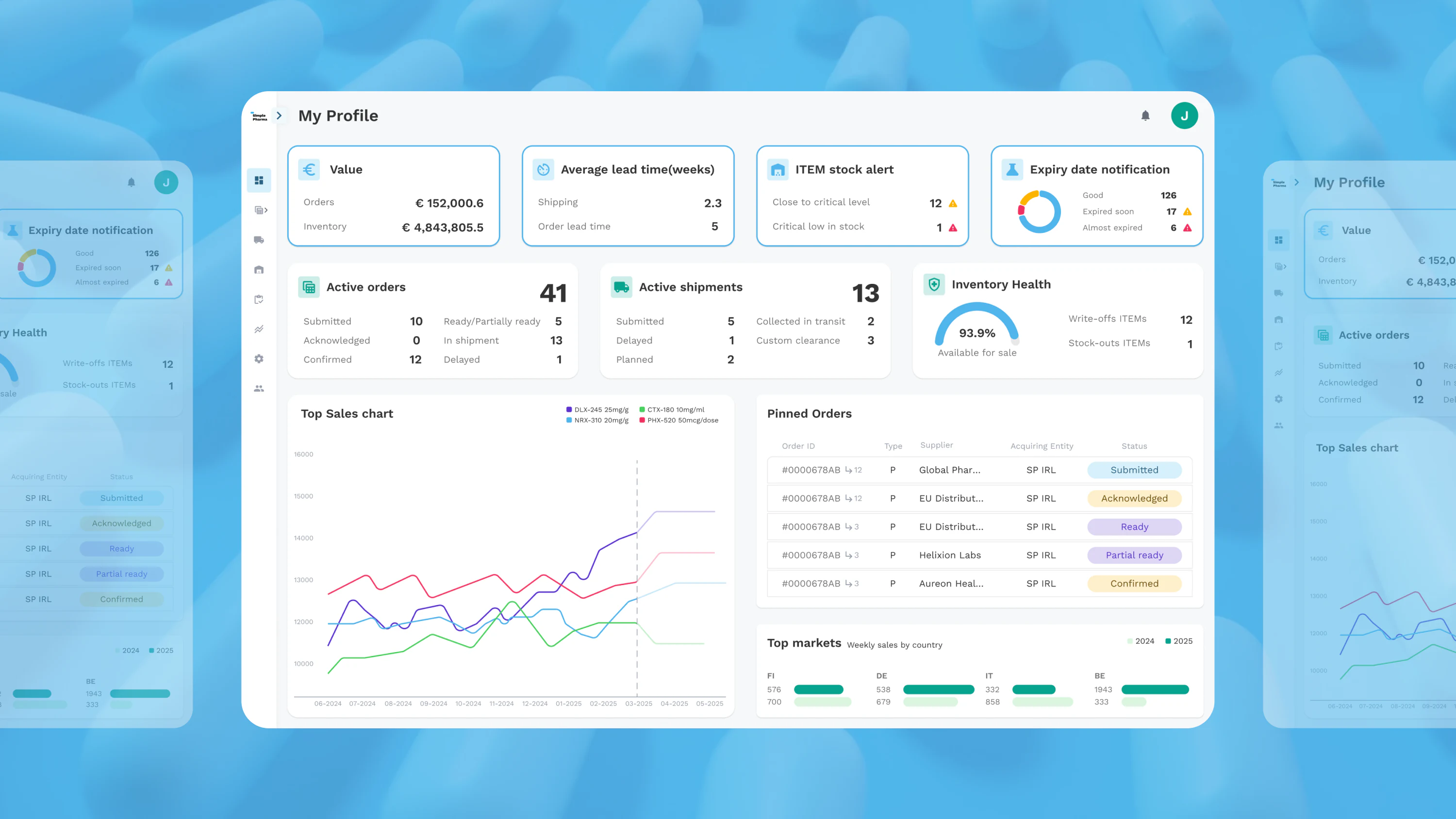
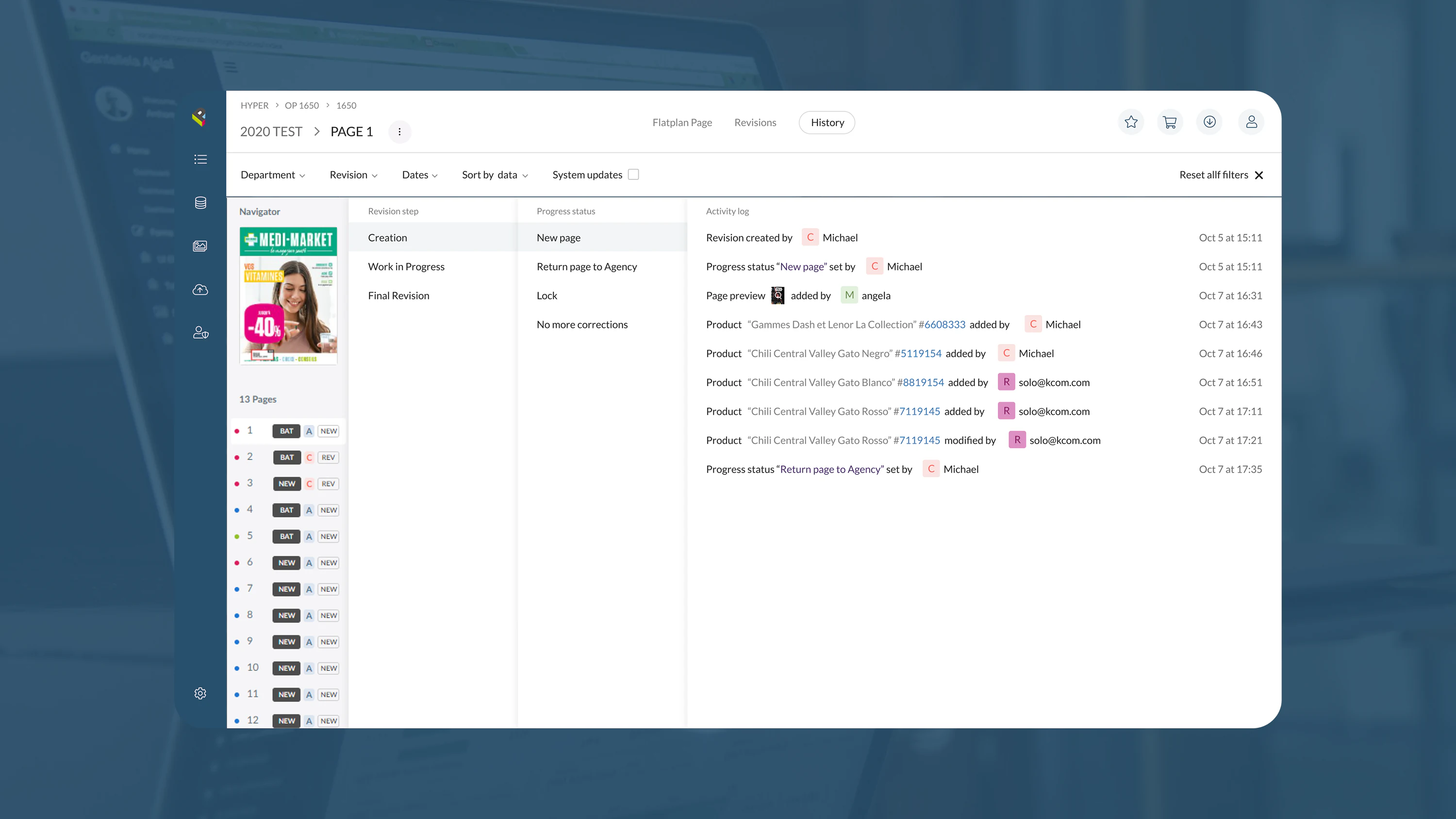
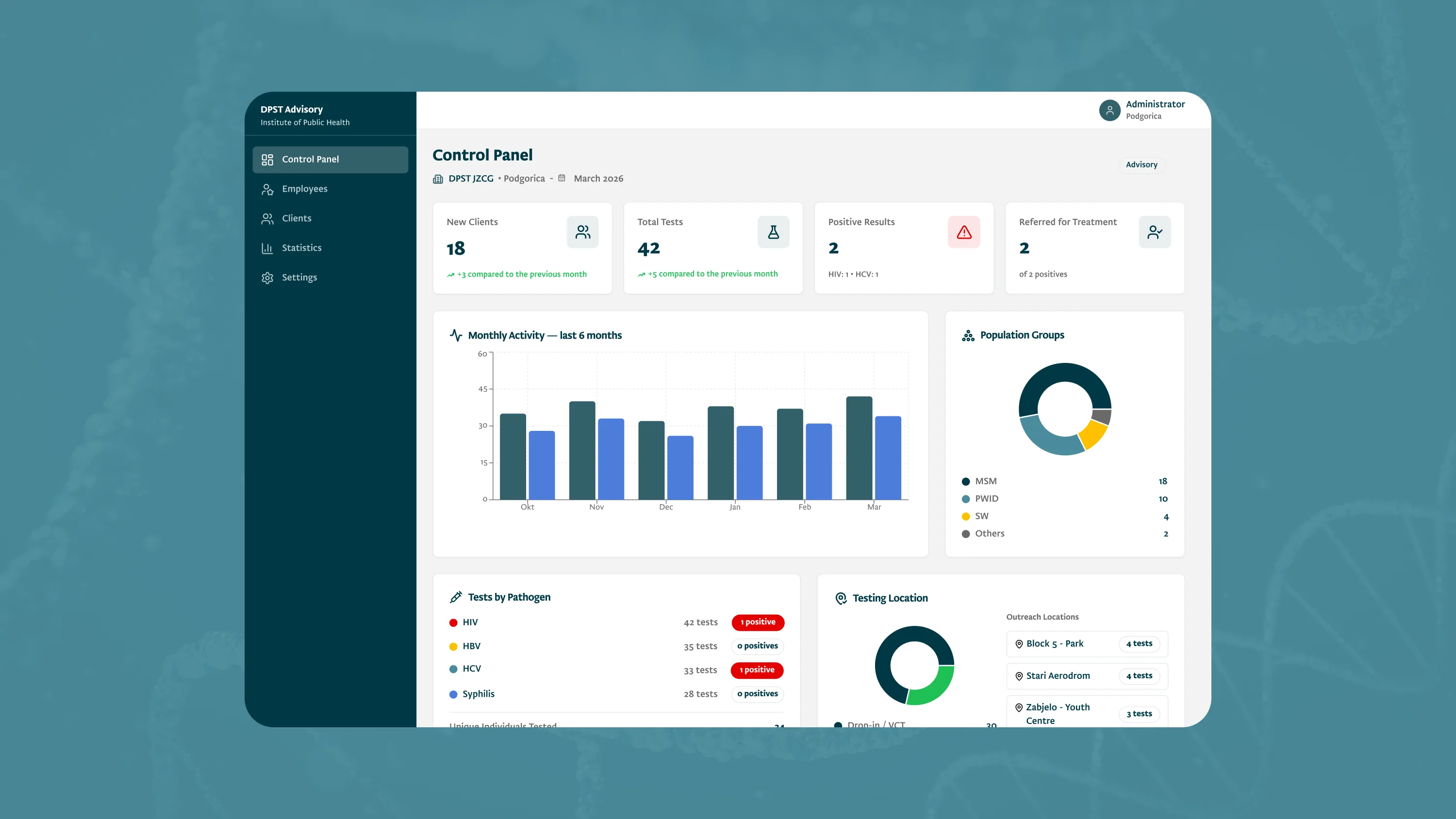
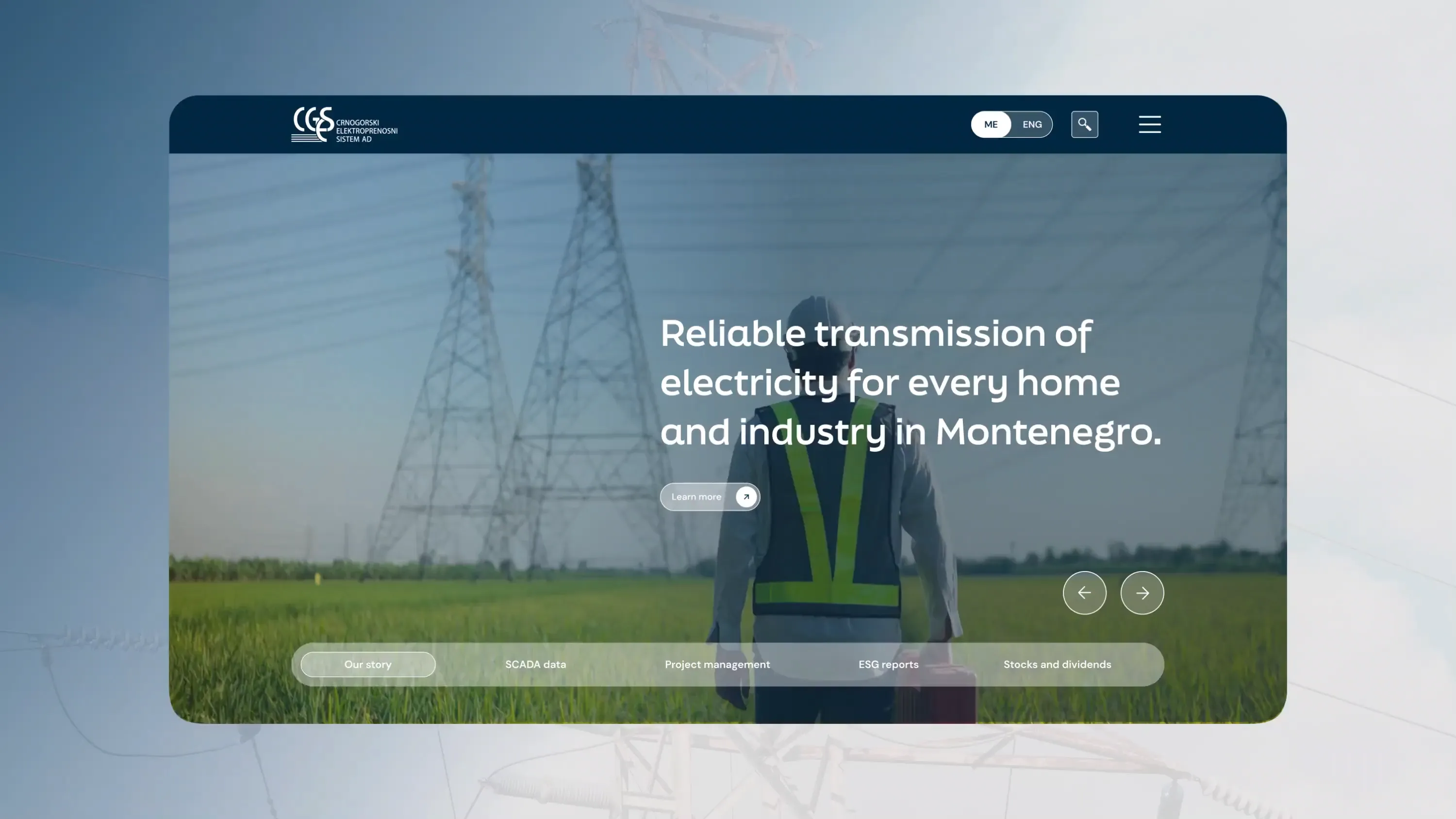
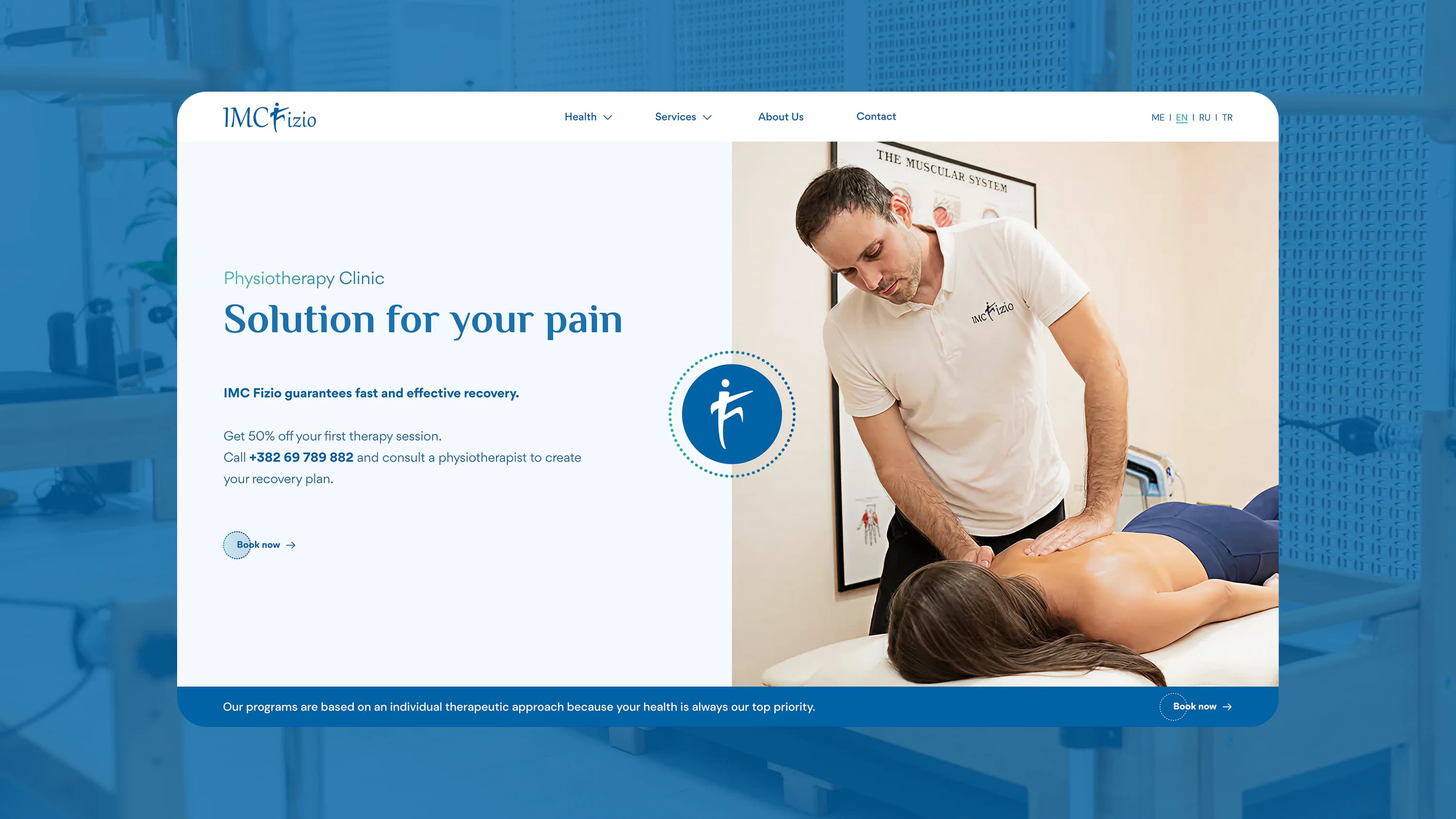
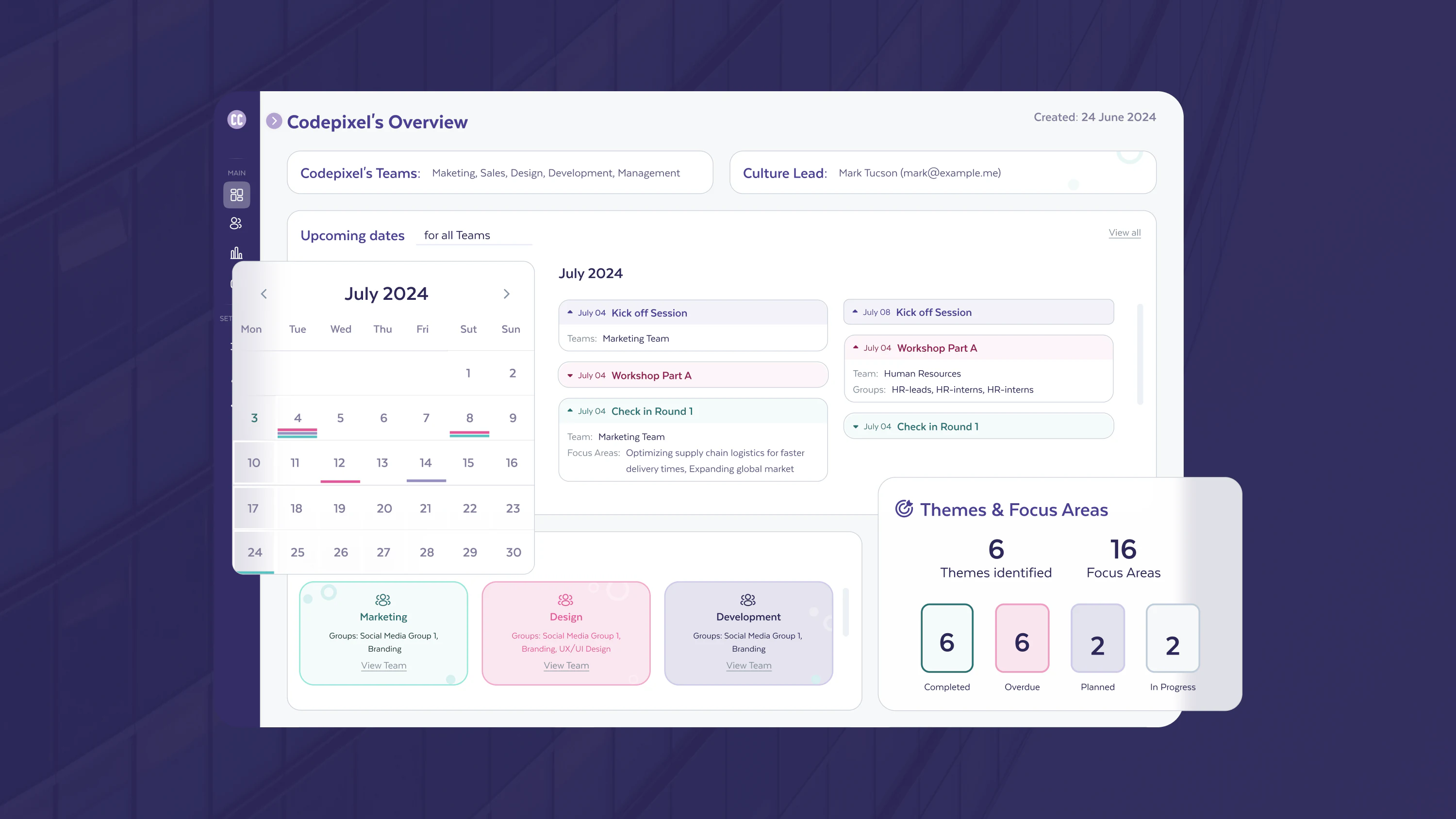
UX/UI and experience work from the design capability behind this offer, each with its Clutch review where the client left one.






What it costs
How this is priced
We price by how defined the scope is. A focused UX audit or a first set of flows is usually a fixed-scope phase. A larger redesign or a design system runs as a scoped phase or a design-led squad model where the work keeps evolving. We recommend the lightest model that still protects the outcome.
Most teams start with a fixed-scope UX audit. It gives you a prioritised plan and a shared read on the work before you commit to a full redesign.
Where it fits
How this fits in the bigger picture
UX/UI Design is one of the packaged ways we deliver our product design work.
Next step
How to start the UX/UI Design engagement
Three steps from first call to designs your engineers can build.
Discovery call
30–45 minutes
A short call to understand the product, the users and the constraints. You talk to people who can answer product and design questions on the spot.
Audit or discovery
1–3 weeks
A time-boxed step and the low-risk way in. For a live product, a UX audit and a prioritised issues report. For a new build, flows and a first set of screens.
Design and handoff
2–6 weeks
Wireframes, high-fidelity UI and a design system, with developer-ready handoff. Continue into the build or hand it to your team.
FAQ
Common questions
Yes. That's the point of designing against engineering reality rather than in a side room. A tech lead reviews feasibility as the work goes, so flows and screens stay buildable, and you get developer-ready handoff: specs, design tokens and component notes, not just pretty Figma frames. The result is fewer design-to-build rounds, because the structure was feasible from the start.
You get a system, scoped to what your product needs. Alongside the flows and high-fidelity screens we build a UI kit and component library once, so the interface stays consistent as features and data grow. Your engineers build against components, not one-off mockups. For a small product a lighter kit is enough, and we'll tell you when a full system would be over-engineering.
Either works. This is a fixed-scope design phase, so you can take the flows, UI and design system and hand them to your own team. If you'd rather we keep going, the same senior people can continue into the build, which avoids re-explaining decisions and losing intent in handoff. We'll recommend whichever protects the outcome, not whichever keeps us on the clock.
For new products or complex work, yes: a focused discovery or scoping sprint saves time and risk for both sides. For smaller, well-understood increments on existing systems, we can sometimes go straight into a small delivery phase after a structured triage call.
You work directly with senior leads and experienced ICs; we don't hide a junior factory behind them. The people you meet in early conversations are usually the ones leading or working on your project.
It depends on the service. Discovery sprints, MVPs and AI integrations are typically fixed-scope with clear pricing per phase. Long-term partnerships, dedicated squads and ongoing growth or maintenance work as monthly retainers. We pick the model that lowers risk for both sides.
Solutions
Have a product that looks fine in a demo but breaks down in daily use?
Tell us where users struggle and what you are running. We will tell you the trade-offs and a realistic first step. The first call is with our commercial lead, often joined by a senior product or design lead.
Build faster with AI
Our playbook for integrating AI into product design and development workflows.
Download the playbook