Is this for you
When AI Integration makes sense
This fits teams adding AI to a product that already exists, where the AI has to earn its place and not just demo well.
You have a live product and want an in-product assistant
An assistant, chatbot or copilot that actually helps your users, not a widget that gets ignored.
You have a lot of documents or data to search
RAG search or document Q and A that returns trustworthy answers, with the source it came from.
You tried an AI prototype and now need it production-ready
Evaluated, guarded, monitored and maintainable, so it holds up past week two.
Built mostly for product leaders and CTOs and engineering leaders.
- You want an AI demo to impress, not a feature your users rely on.
- You expect AI with no evaluation, guardrails or human fallback.
The package
What's included
A focused engagement that takes an AI use case from prioritised idea to a feature running in production with guardrails around it.
We score the AI use cases on value, feasibility, risk and running cost, then agree the one to build first.
We design how the AI behaves and how users work with it, before any of it gets built.
We check the data the feature depends on, then build the retrieval layer that grounds answers in your own sources and cites where they came from.
Assistants, RAG search or workflow automation, added on top of what you already run.
We measure whether the AI behaves, not just whether it runs, and catch bad output before users do.
The result
What you end up with
What you get
- A prioritised AI use-case shortlist with feasibility, risk and running-cost notes
- Designed AI interactions and UX flows
- A data readiness check with the gaps named before the build starts
- The working AI feature shipped on top of your stack
- An evaluation setup, guardrails and monitoring for the AI behaviour
- Documentation and runbooks for the feature and its limits
What changes for you
- An AI feature that holds up in production, not just in a demo
- Guardrails and monitoring that catch bad behaviour before users do
- A clear view of what the AI does well and where it does not
How it works
From first call to launch
- Week 0
Use-case shortlist
We prioritise AI use cases by value and feasibility.
- Week 0
Readiness check and scope
Data access, the retrieval layer, the evaluation plan and the running cost, agreed before the build starts.
- Weeks 1-8
Build and evals
The feature, with acceptance thresholds agreed up front.
- Launch
Guardrails and monitoring
Guardrails, a human fallback and monitoring in production.
Discovery and use-case scoring
A short discovery to map the AI use cases and score them on value, feasibility, risk and running cost.
Design the interaction first
We design how the AI behaves, then build the feature in defined cycles with demos.
Evaluations and guardrails
We set up evaluations to measure whether the AI behaves, then ship behind guardrails and monitoring with decisions and limits kept in writing.
- AI-augmented
AI in the delivery loop
Faster use-case research, code assist and test generation speed the build, plus evaluation harnesses for the AI behaviour itself, all reviewed by seniors under a written AI Use Policy.
Proof
Selected work
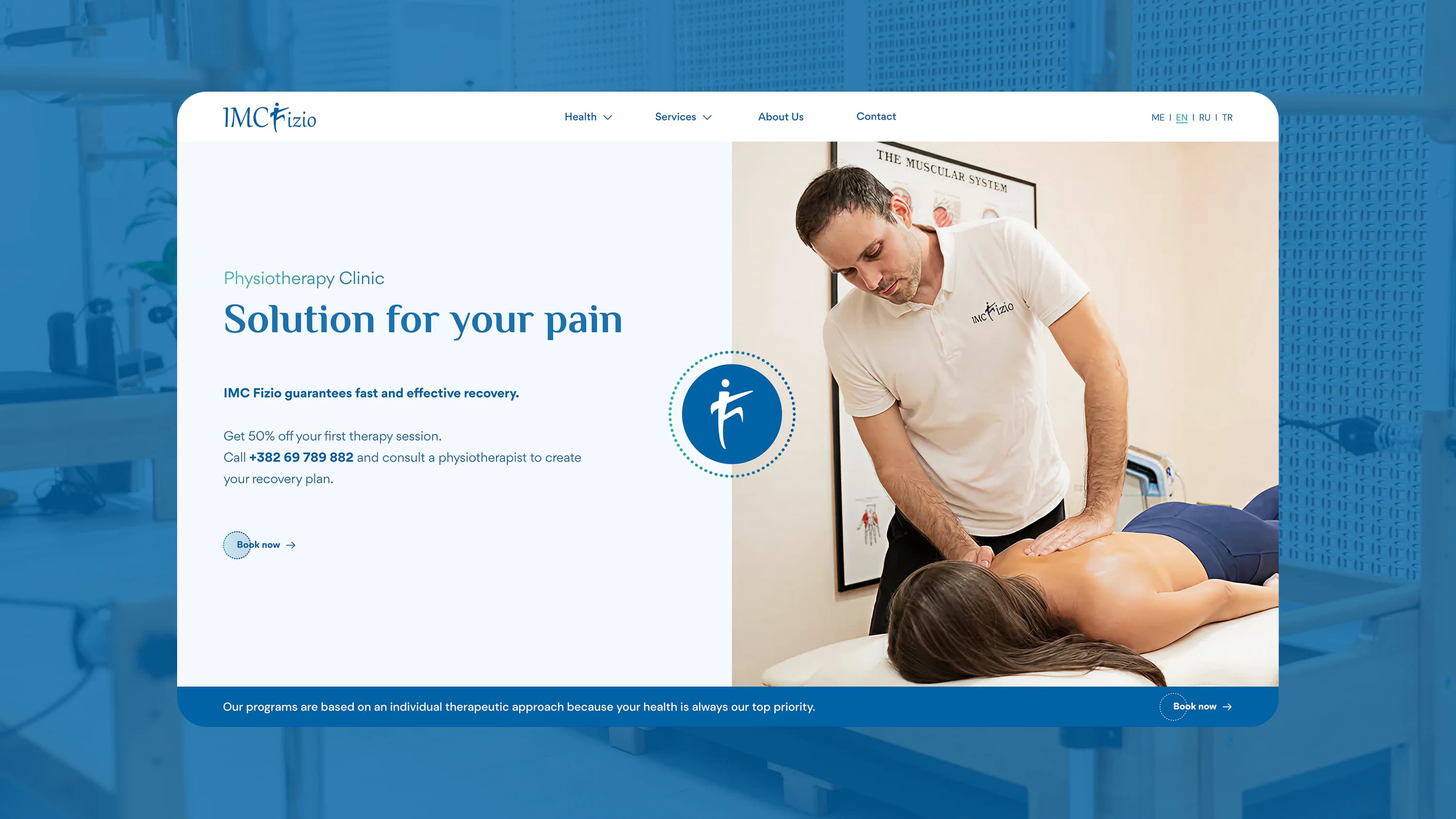
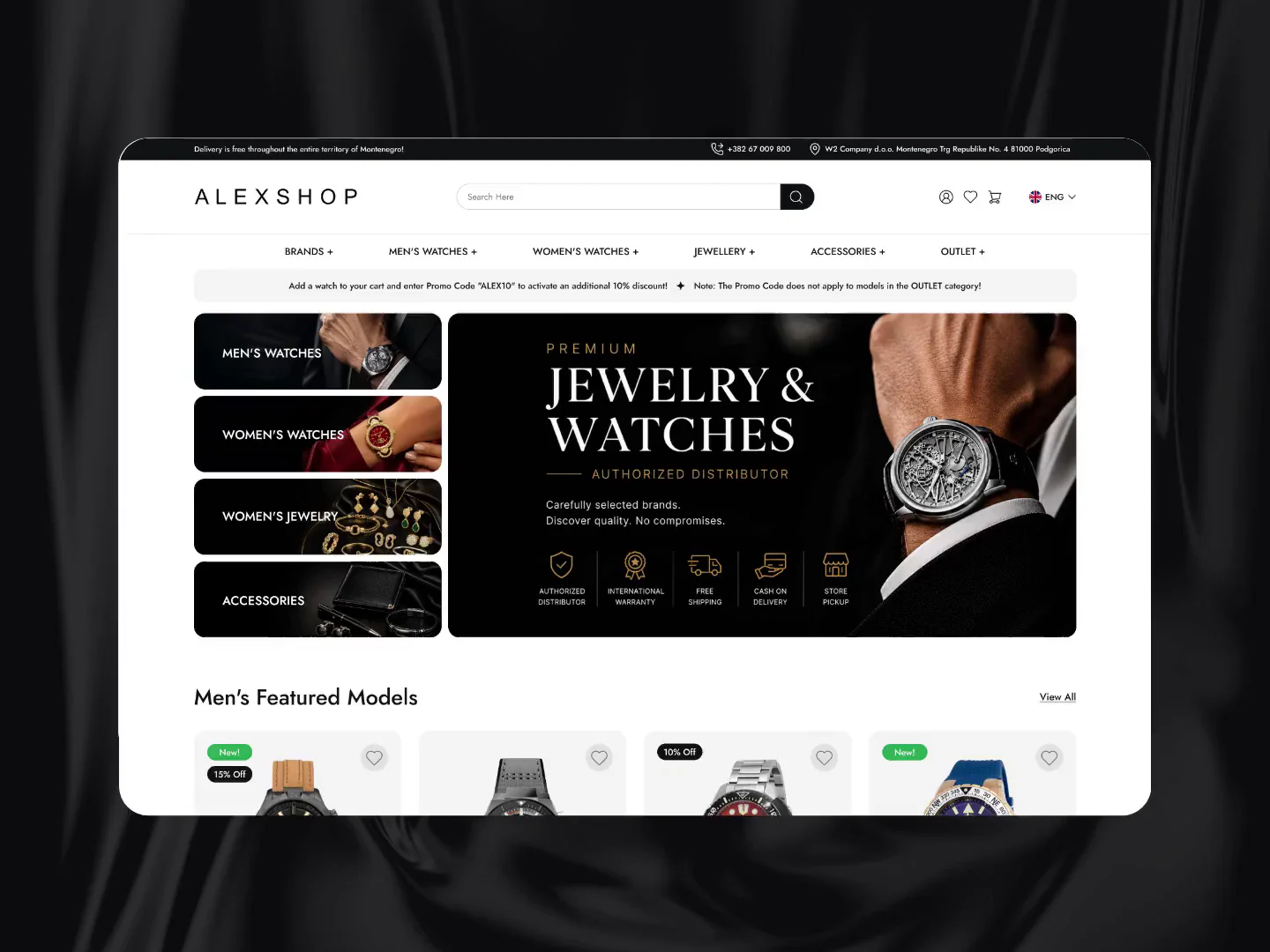
AI Integration is newer work for us, so this shows the AI and data engineering work behind it: in-product assistants, RAG search and automation shipped with evaluation, guardrails and monitoring.


What it costs
How this is priced
Scope drives the model. A single well-defined AI feature can run as a fixed-scope phase. A broader rollout across several use cases runs in phases, or as a senior-led squad on a retainer. We usually start with a short discovery to size the use cases and the risk, then recommend the lightest model that still protects the outcome.
You can start with one use case, a single assistant or search, before committing to a wider AI layer, so the risk is small and known before the spend grows.
Where it fits
How AI Integration connects to the rest of our work
AI Integration is one of the packaged ways we deliver our AI and data engineering work.
Insights
Related articles
Field notes and how-tos from the team, close to this work.

Before you implement AI, understand the process
Almost every company we speak to wants to do something with AI. Fewer can describe the process behind the problem. Why we map how the work happens today before choosing between AI, an integration, plain automation or changing the process itself.
How we use ClickUp to run projects, operations and AI workflows
How Codepixel runs projects and operations in ClickUp, and why clear processes came before adding AI agents to the workflow.

"AI-augmented" is meaningless unless you say which parts
Every agency you're evaluating claims AI augmentation, so the adjective tells you nothing. The specific version: where AI sits in our delivery, where it doesn't and where a senior engineer signs their name regardless.
Before you implement AI, understand the process
Almost every company we speak to wants to do something with AI. Fewer can describe the process behind the problem. Why we map how the work happens today before choosing between AI, an integration, plain automation or changing the process itself.
How we use ClickUp to run projects, operations and AI workflows
How Codepixel runs projects and operations in ClickUp, and why clear processes came before adding AI agents to the workflow.
"AI-augmented" is meaningless unless you say which parts
Every agency you're evaluating claims AI augmentation, so the adjective tells you nothing. The specific version: where AI sits in our delivery, where it doesn't and where a senior engineer signs their name regardless.
Next step
How to get started with AI Integration
Three steps from first call to a feature shipped with guardrails.
Discovery call
30–45 minutes
A 30 to 45 minute call to understand your product and the AI use cases you have in mind. You talk to people who can answer product and technical questions on the spot.
Use-case scoping
1–2 weeks
A short scoping phase that sizes value, risk and running cost across your use cases, then picks the first build.
Build with guardrails
From there
We design the interaction, build the feature on your stack and ship it with evaluations, guardrails and monitoring.
FAQ
Common questions
One feature, deliberately. This package takes a single use case, an assistant, RAG search or one automation, from a prioritised idea to something running in production with guardrails, rather than an open-ended "add AI" programme. We start with a short discovery to score the use cases on value, feasibility and risk, agree the one to build first and keep the rest as a backlog. If a broader rollout makes sense later, we phase it, but we'd rather ship one feature your users rely on than five that only demo well.
Usually, yes. We start by reviewing what you have: the prompts, the retrieval setup and where it breaks, and keep whatever earns its place. The gap with most prototypes isn't the happy path; it's evaluation, guardrails, monitoring and a human fallback for when the model is unsure, which is exactly what this package adds. If the foundation is sound we build on it; if it'll fight us past week two, we'll tell you honestly and rebuild the part that needs it.
We ship with monitoring and an eval suite, so accuracy is measured in production, not assumed. When answer quality drifts or a provider changes a model, you see it instead of finding out from a user. You own that eval suite and the retrieval index over your data, so your team can re-run the checks and tune prompts without us. Where you'd rather we stayed on, we can keep the feature maintained on a light retainer; either way, it's handed over with runbooks and the limits written down.
We default to retrieval over your own data, so answers are grounded in your sources and cite where they came from instead of being generated from the model's memory. Before launch we build evals on real cases with acceptance thresholds, so we measure answer quality rather than hoping it's good, and we add input and output guardrails plus a human-owned fallback for when the model is unsure. Where we can't reach a quality bar we can stand behind, we'll tell you the feature isn't ready rather than ship a confident guess.
By default, no. We pseudonymise or abstract where needed and follow per-client rules about what may or may not leave your environment. For clients with stricter requirements, we can use self-hosted or tenant-isolated AI options, defined together during onboarding.
No lock-in by design. We treat the model as a swappable component behind your own retrieval layer and structured-output contracts, and we work across providers like OpenAI, Anthropic, Google Gemini, Azure OpenAI and AWS Bedrock so you can move if pricing, latency or policy changes. You own the same things you own everywhere else with us: the code, the prompts, the eval suite and the retrieval index over your data, handed over with documentation, so the feature isn't dependent on us or on a single vendor to keep running.
Solutions
Want to add AI to a product you already ship?
Tell us the product, the use case and your constraints. The first call is with our commercial lead, often joined by a senior product or engineering lead.
Build faster with AI
Our playbook for integrating AI into product design and development workflows.
Download the playbook