Is this for you
When MVP Development makes sense
This is the right entry point when you recognise the situation below.
You have an idea and budget, but no product yet
You need something real in users' hands quickly, not another deck or throwaway prototype.
You need to put something real in front of users, and align stakeholders
A clear MVP scope, roadmap and budget before you commit to a larger build.
You want to de-risk from the start
A small senior team owning architecture, UX and AI opportunities up front, not after launch.
Built mostly for startup founders.
- You need a quick throwaway prototype, not a foundation to build on.
- You want the cheapest possible developers over senior ownership.
The package
What's included
The five things the engagement covers.
Core features, real UX/UI and basic analytics, planned as one clear fixed-scope phase.
Product flows and a clickable prototype your users can actually navigate.
Clean architecture, automated tests and CI/CD from day one, not bolted on later.
Most MVPs launch on the web. When yours needs to be an app, we build it cross-platform in React Native and take it through app-store review to a live listing.
We deploy to production and hand over documentation, runbooks and repo access so the build is yours.
The result
What you end up with
What you get
- Scoped backlog and roadmap
- UX flows and a clickable prototype
- Working features shipped weekly
- Automated tests and CI/CD
- Product analytics wired to sign-up and the core flow
- Documentation and runbooks
What changes for you
- A working product deployed to production, with sign-up and the core flow live for real users
- A scope and budget you can take to investors
- A clean foundation to scale on, not throwaway code
How it works
From first call to launch
- Week 0
Discovery and scope
We agree the goal, the must-have features and the first milestone.
- Weeks 1–2
UX and architecture
User flows, a clickable prototype and the technical foundation.
- Weeks 3–10
Build, shipped weekly
Working features every week, with demos and tests in place.
- Weeks 11–12
Launch and handover
Go live, with documentation and a clear path to scale.
Discovery and planning
Scope, backlog and the real risks named up front.
Weekly shipping
Working demos and tight feedback loops every week, not a big-bang reveal.
Quality gates stay on
Tests, reviews and CI owned by senior leads, so speed never costs you stability.
- AI-augmented
AI in the delivery loop
Code assist, test generation and refactors speed the work, while humans own architecture, security and product calls under a written AI Use Policy.
Proof
Selected work
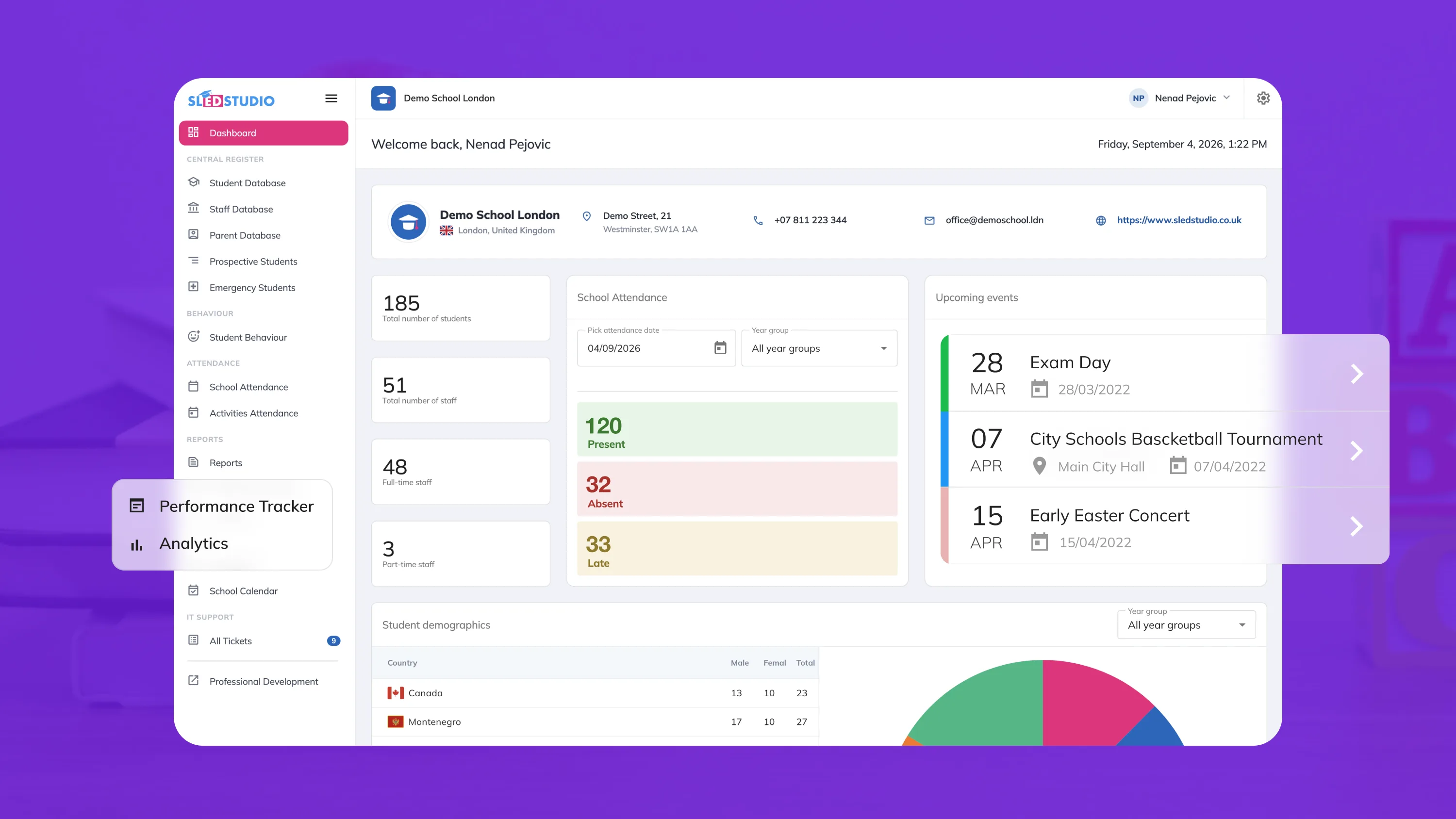
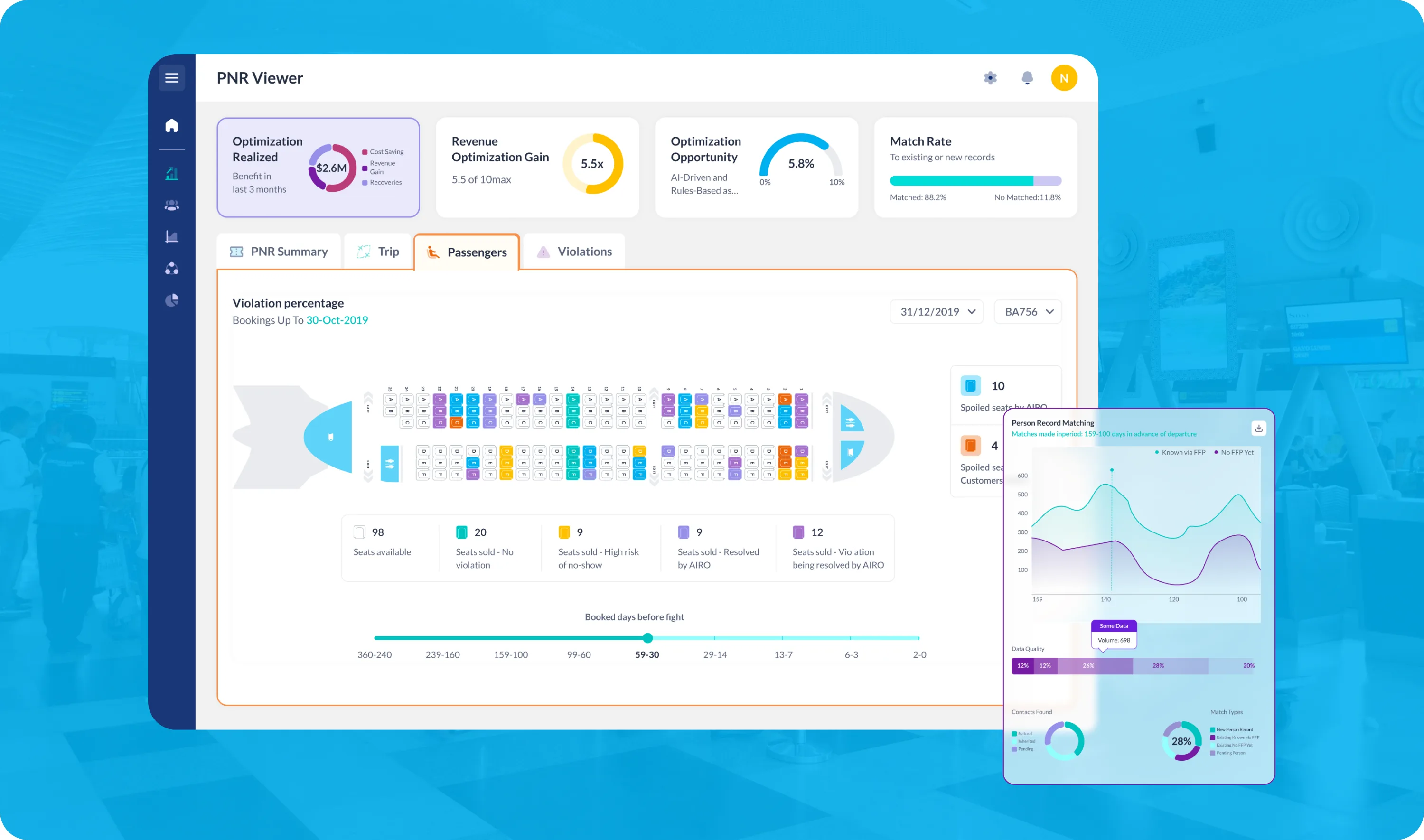
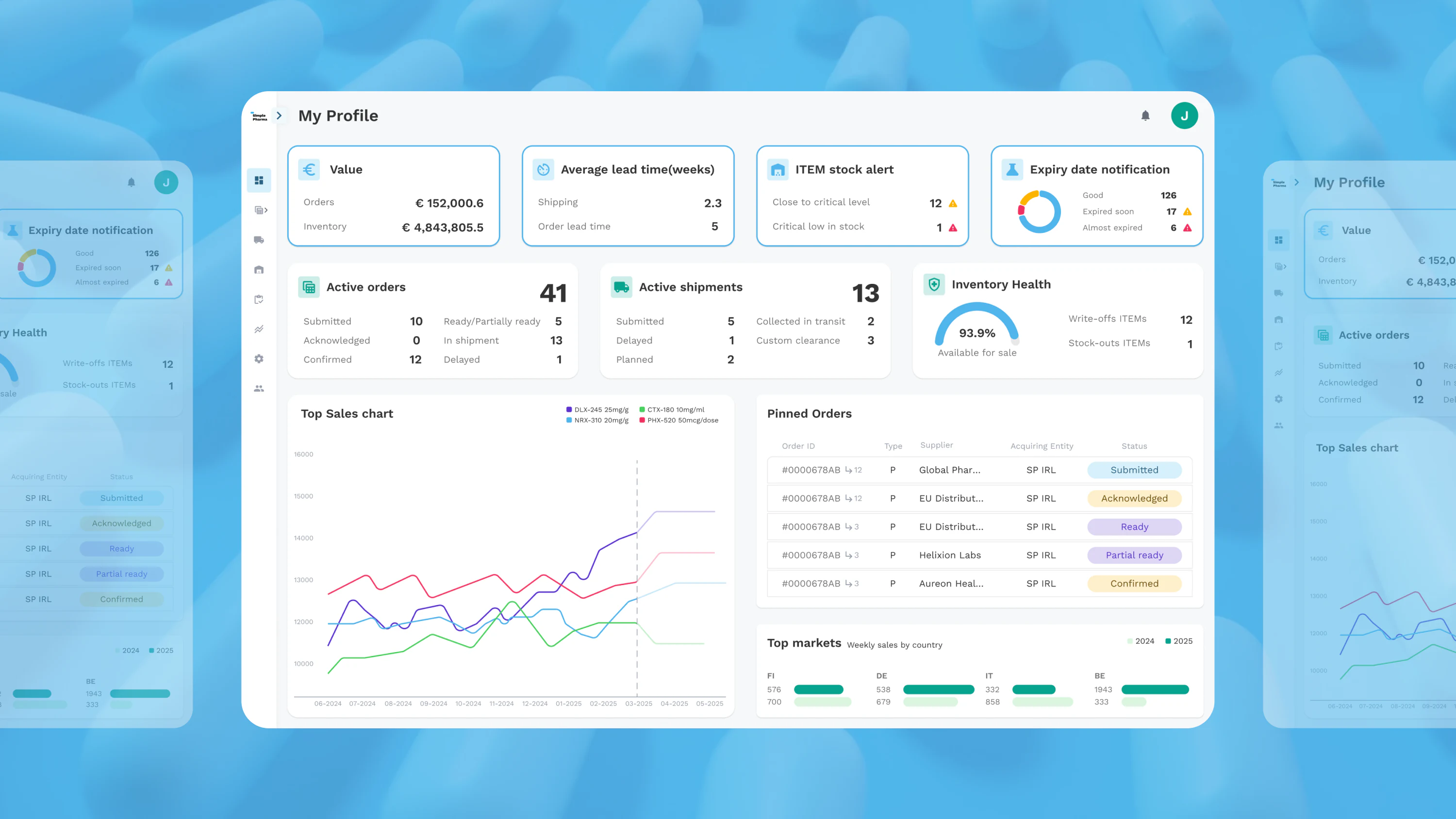
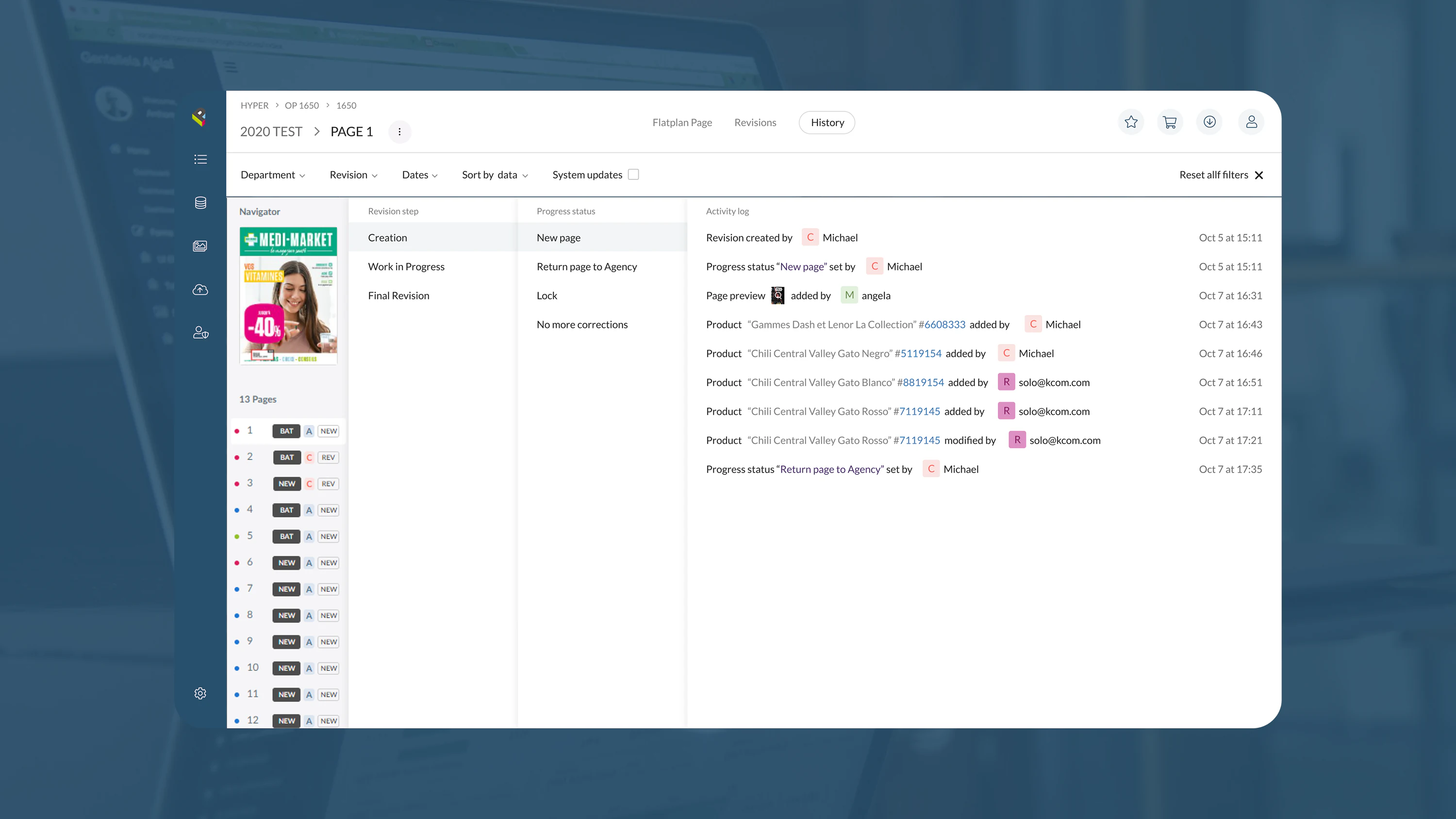
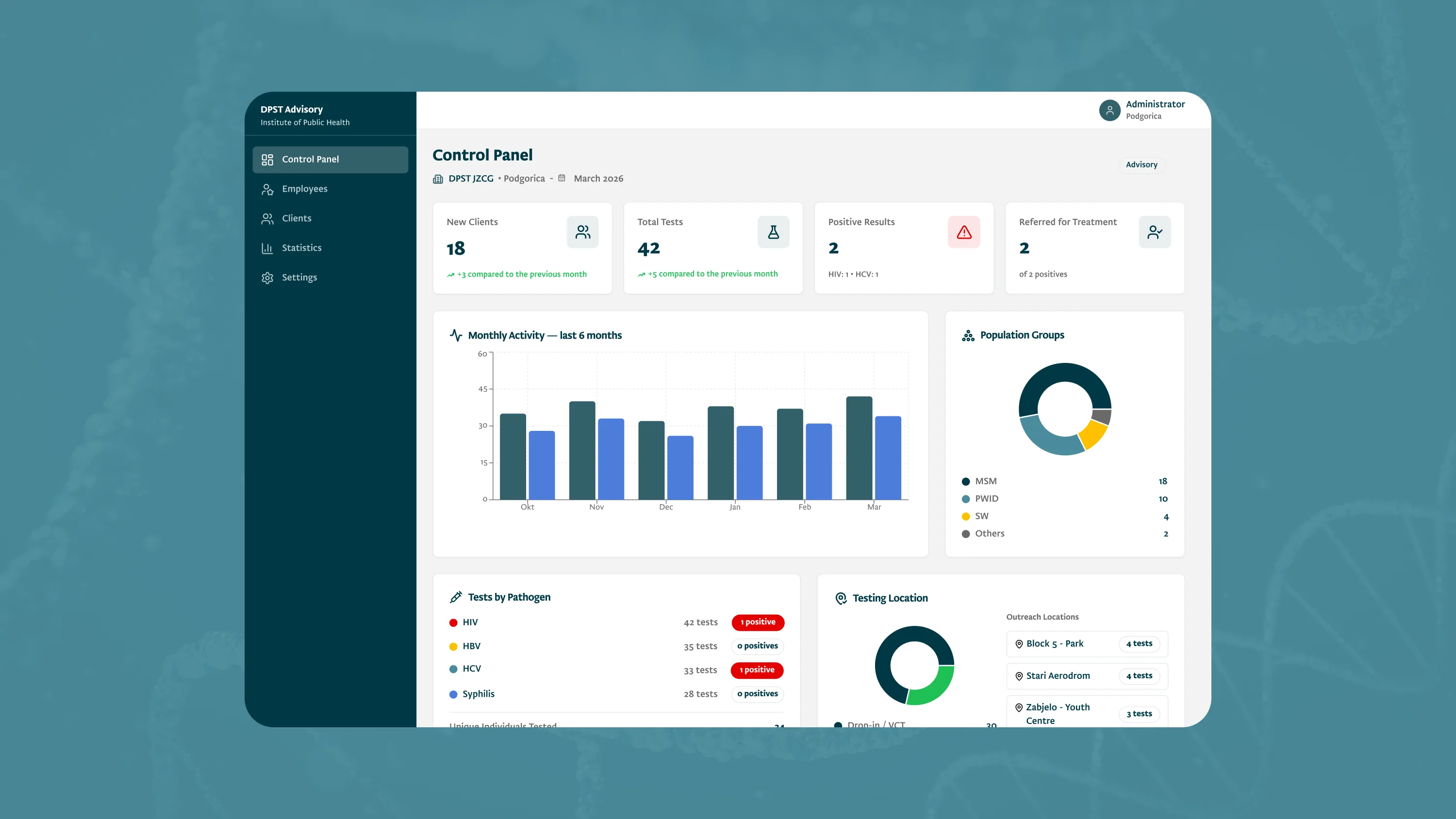
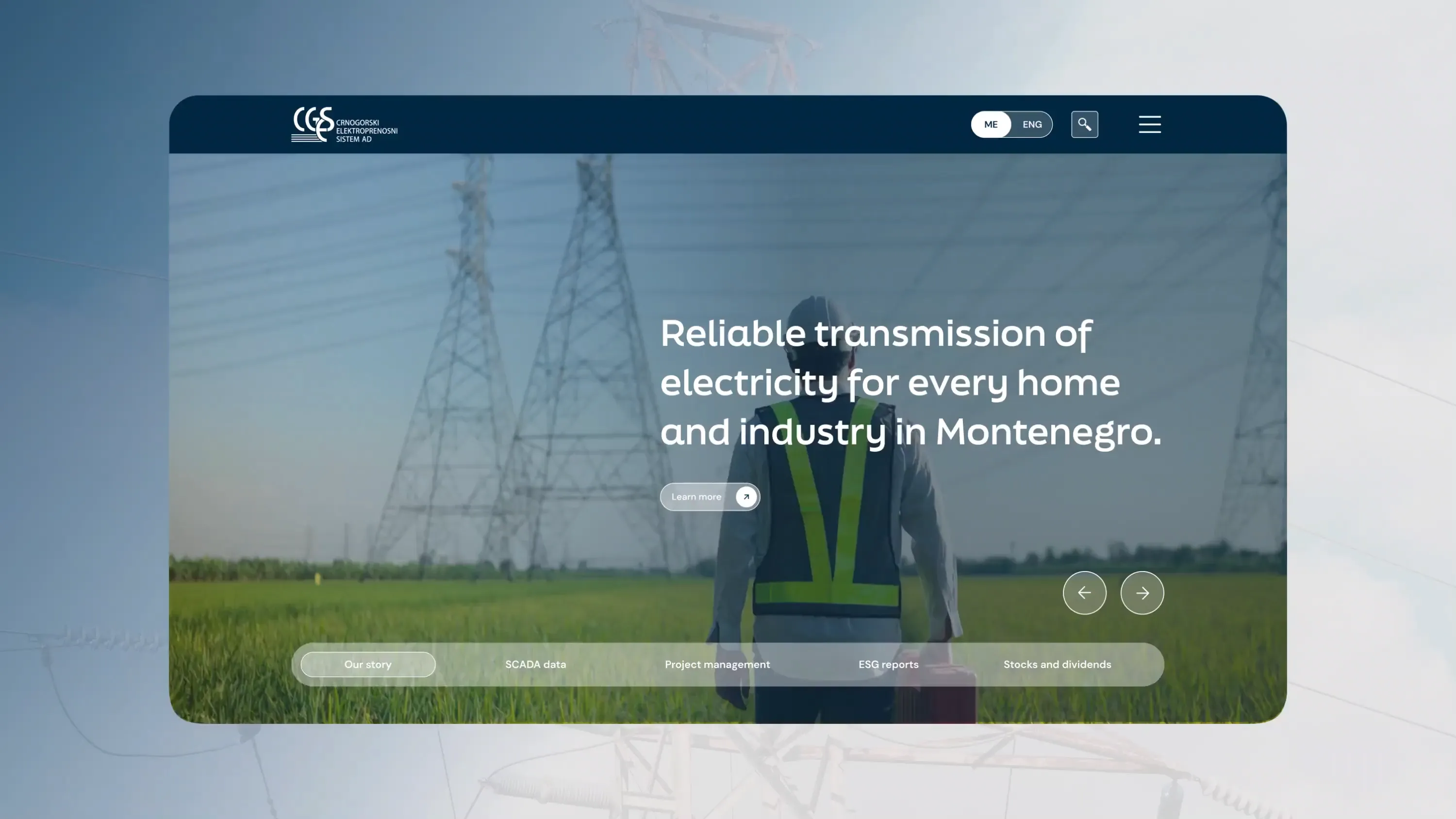
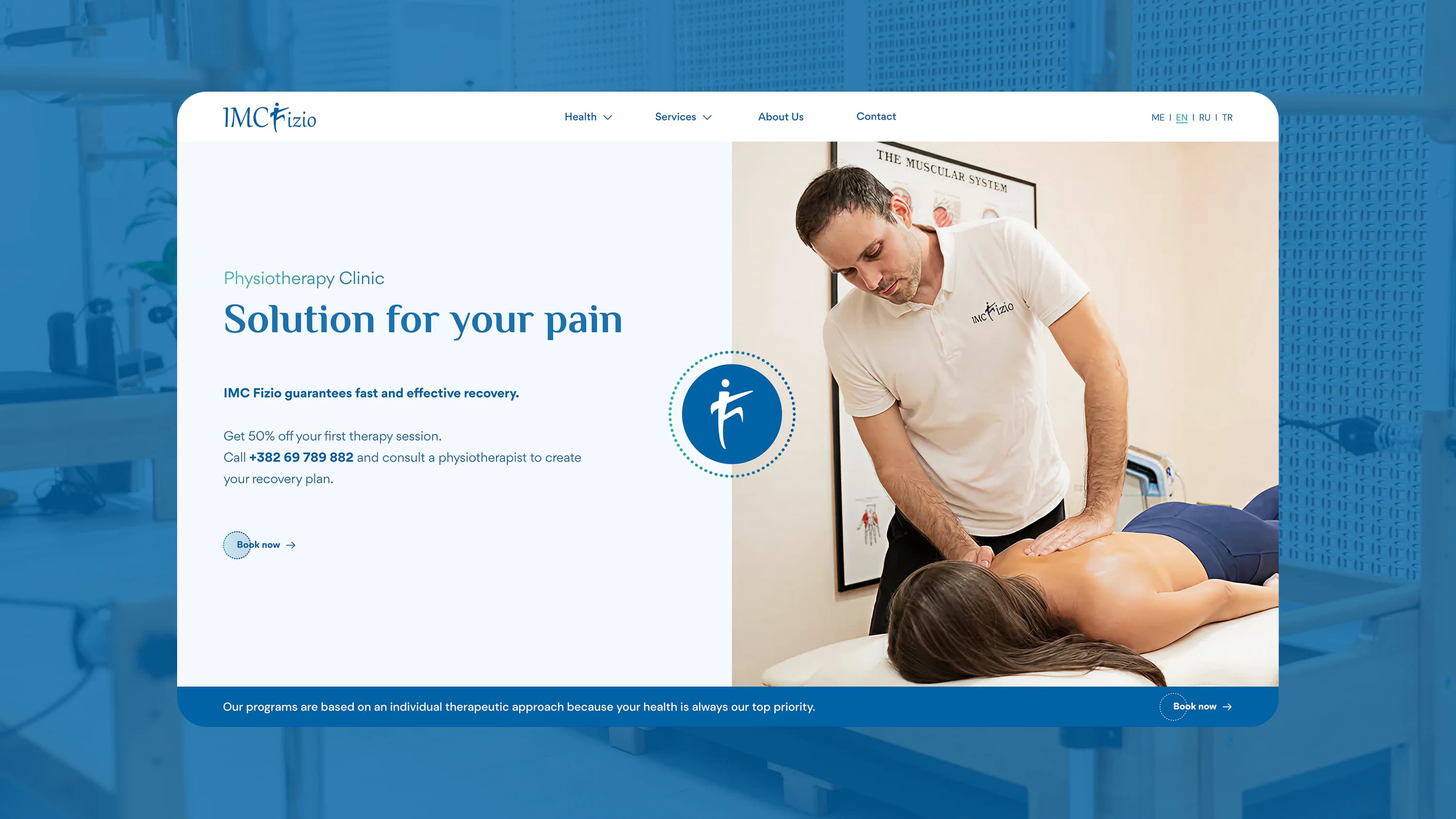
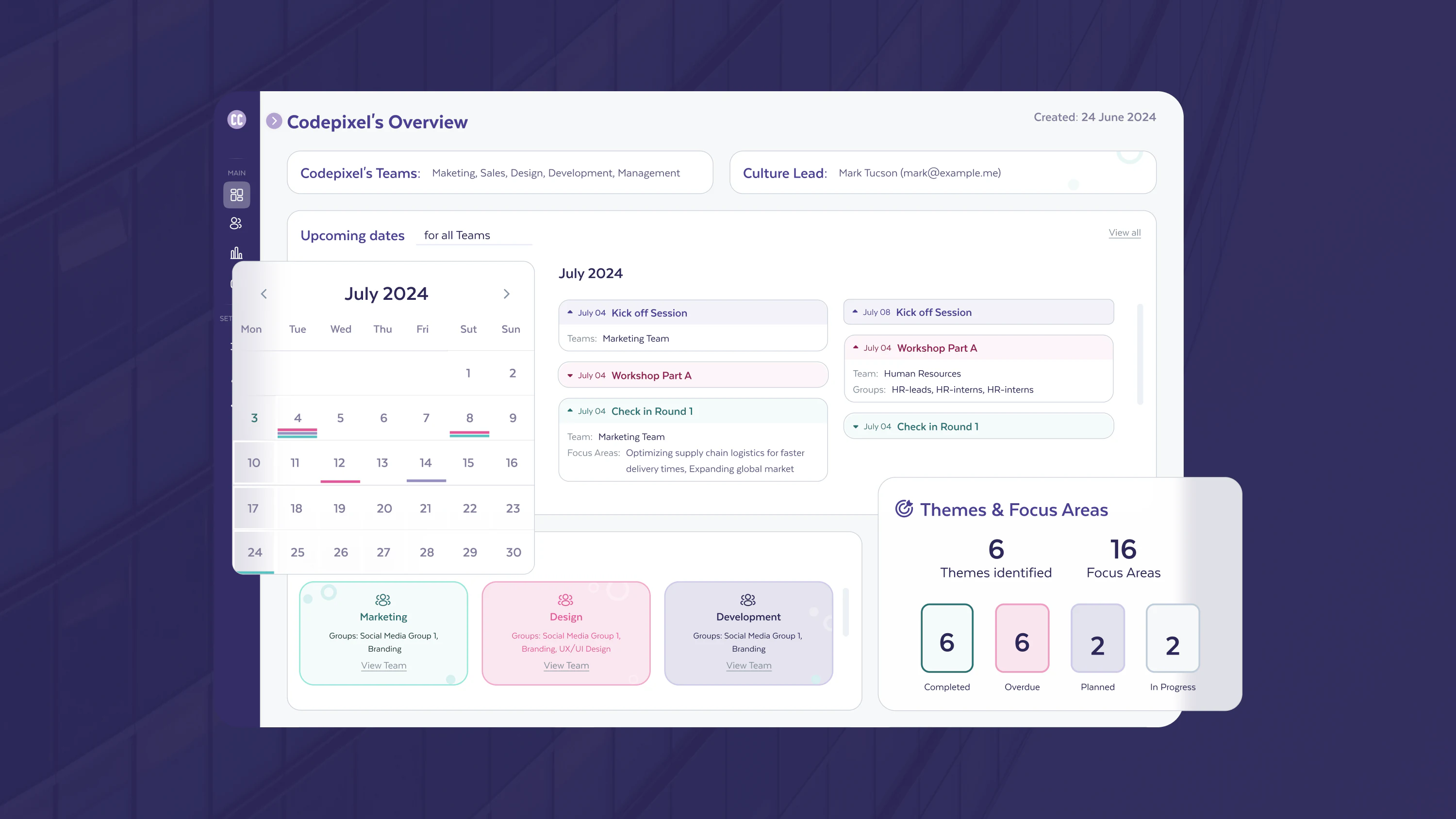
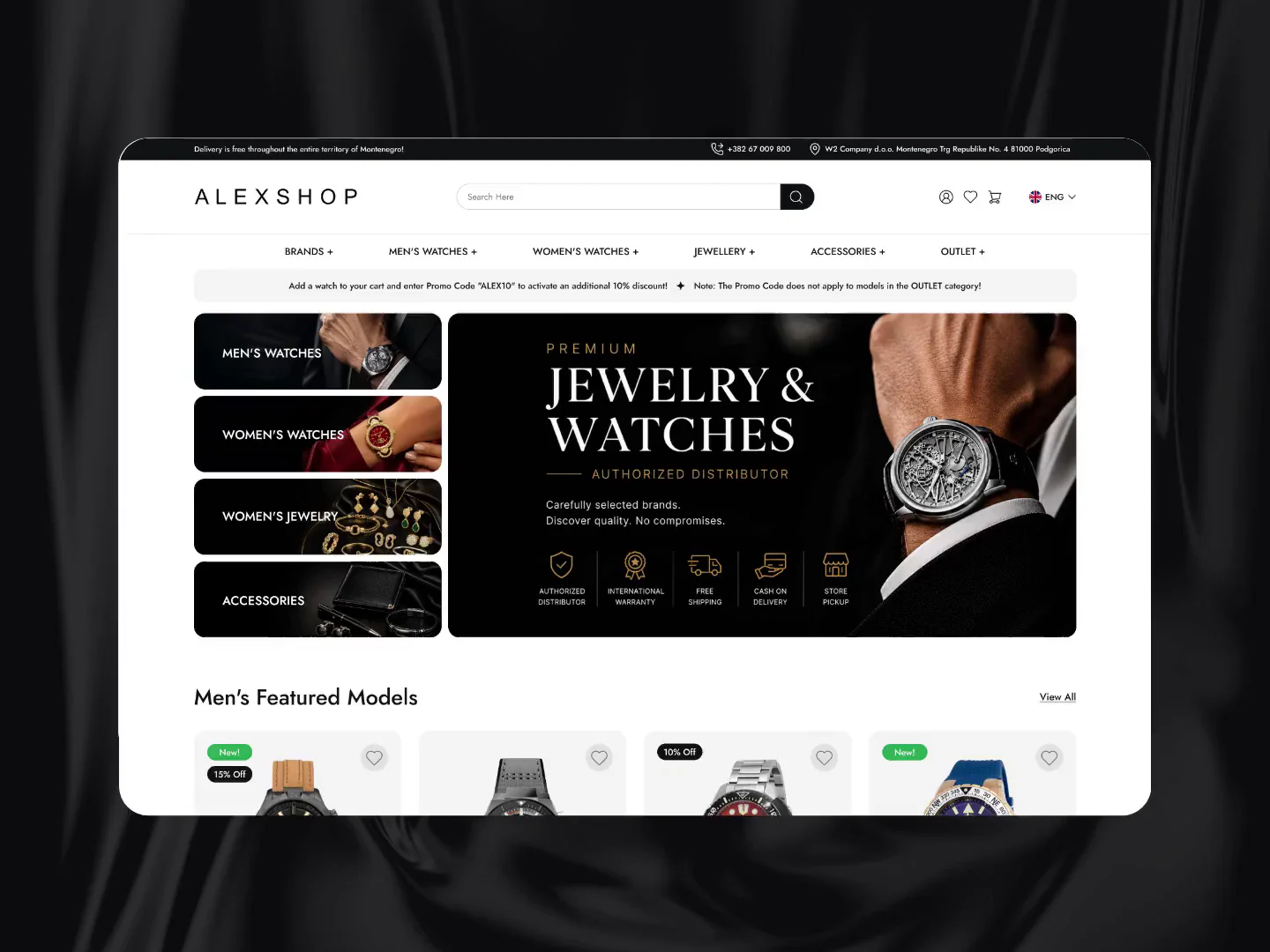
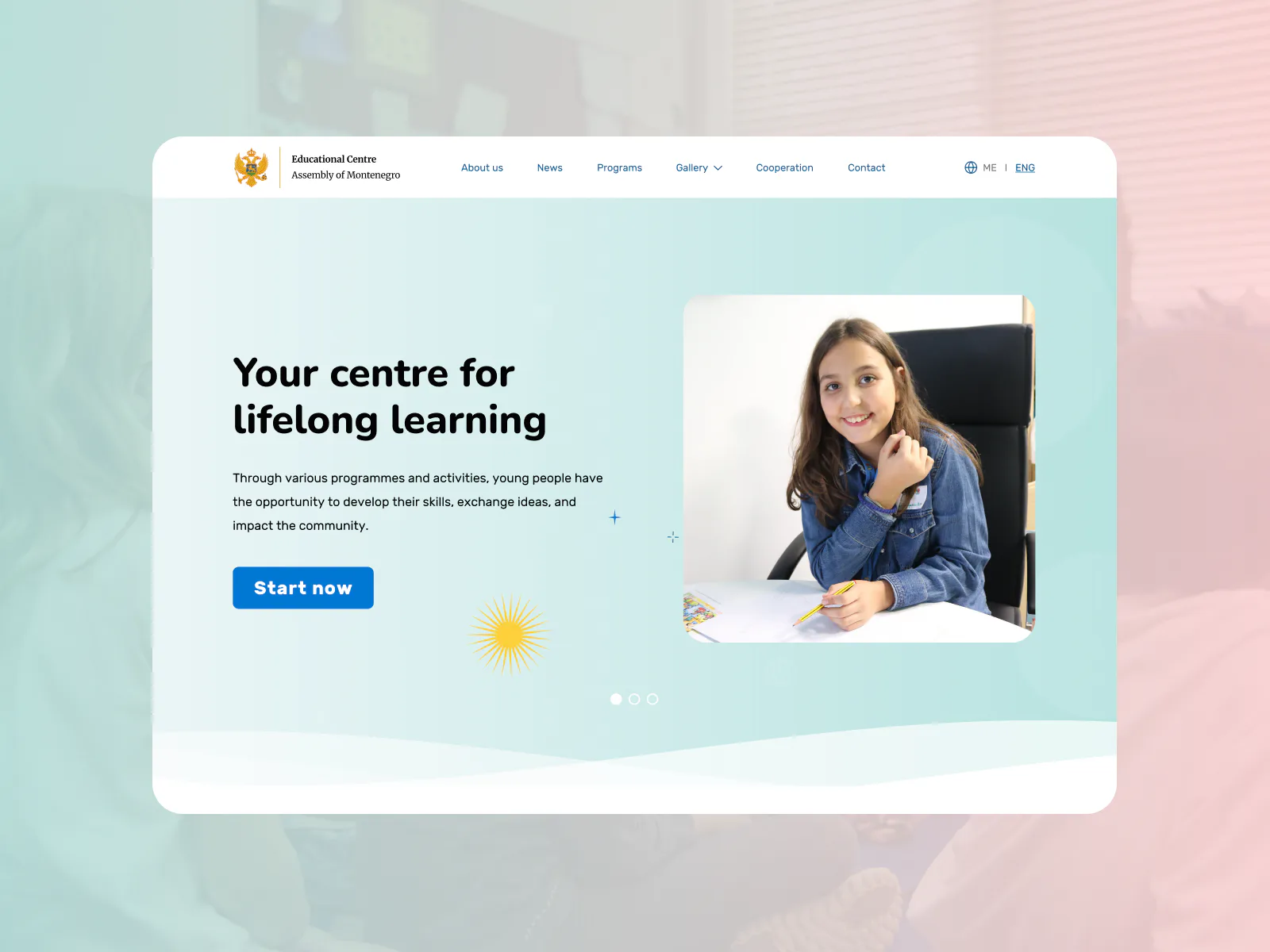
Projects from the engineering capability behind this offer: first builds and long-running work alike.




What it costs
How this is priced
We price by how defined the scope is. MVP builds usually run as a fixed-scope phase once discovery sets the scope. Where the roadmap is still moving, we use a retainer or dedicated-squad model.
A low-risk way to start: a paid 1 to 3 week scoping sprint that fixes scope, risks and price before you commit to the full build. If you go ahead, it rolls straight into the MVP.
Where it fits
How MVP Development connects to the rest of our work
MVP Development is one of the packaged ways we deliver our product engineering work.
Next step
How to get started with MVP Development
Three steps from first call to a shipped first slice.
Discovery call
30–45 minutes
A 30 to 45 minute call to get the context, constraints and fit. You talk to people who can answer product and technical questions on the spot.
MVP scoping sprint
1–3 weeks
A one to three week paid sprint that fixes the scope, names the risks and defines a first shippable slice, before you commit to the full build.
8 to 12 week MVP build
8–12 weeks
We ship the MVP weekly and take it live, then keep going as a dedicated squad if the work warrants it.
FAQ
Common questions
Fixed scope means we agree the must-haves up front so the 8 to 12 week timeline and budget hold. It doesn't mean we ignore what we learn. Small trades are easy: swap something of similar size out of scope to make room, and we'll tell you honestly when a change is a like-for-like swap versus genuinely new work.
If what we learn reshapes the product, we re-scope deliberately rather than quietly absorb it and miss the date. The point of fixing scope is to protect your runway, not to trap you in the wrong build.
Investor-ready means you can put something real in users' hands and walk into a raise with more than a deck: a working product, early usage signals and a clear scope, roadmap and budget for what comes next. We build on a clean architecture with tests and CI/CD from day one, so technical due diligence finds a foundation, not a pile of throwaway code.
We won't pretend traction we can't deliver. The MVP gets you something credible to demo and a defensible plan, not vanity metrics.
No. The same senior triad that built the MVP can carry straight on as a dedicated squad once you've validated direction or closed a round, usually on a retainer rather than another fixed-scope phase, since the roadmap is moving by then. There's no handover to a different, more junior team.
If you'd rather take it in-house, the clean architecture, documentation and runbooks are built so your own engineers can pick it up without a rewrite.
For a well-scoped MVP, 8–12 weeks from alignment to launch is typical, depending on complexity and how quickly we make decisions together. Larger platforms or rebuilds are usually phased into several releases so you can see value and reduce risk earlier.
Real products. In discovery we can turn an idea into a clickable prototype fast, to validate with users or investors, but it is built to grow into production, not thrown away. From there we ship in milestones you approve, with the same quality gates regardless of speed. We do not ship demos that fall apart the moment real users arrive.
You do. We usually work in your repositories and cloud accounts, or hand them over at the end, with clear documentation and runbooks so you're not dependent on us for basic operations.
Solutions
Ready to get your MVP in users' hands?
Tell us about your idea and constraints. The first call is with our commercial lead, often joined by a senior product or engineering lead.
Build faster with AI
Our playbook for integrating AI into product design and development workflows.
Download the playbook