Is this for you
When this makes sense
This is the right entry point when your product is already live and needs steady hands, not a rebuild.
You want a retainer, not another one-off project
Revenue is coming in and the product needs steady care, not a fixed-scope build that ends and leaves you looking for the next team. You want senior owners on a standing monthly cadence.
You are tired of re-onboarding contractors every quarter
Every new hire or agency relearns the codebase from scratch, so context leaks and upkeep stalls. You want one squad that keeps the history and picks up where it left off.
You want the same squad on an agreed severity clock, not a ticket queue
When something breaks you want named engineers who already know the system, on an agreed severity clock, not a support form and a stranger reading your logs for the first time.
Built mostly for CTOs and engineering leaders, product leaders and founders past launch.
- You want occasional ad-hoc fixes from whoever is free.
- You need a full rebuild, not steady senior-led care.
The package
What's included
A monthly engagement that combines new development with the maintenance work that keeps a product dependable.
Monthly development against your roadmap, plus small UX and product improvements that compound over time.
Most retainers start on code someone else wrote. We take over the repo, the infrastructure and the release process, then run the codebase as if we had written it.
Bug fixes, refactoring, dependency upgrades and security updates, kept on top of rather than pushed back.
Monitoring, performance optimisation and reliability work so the product stays fast and dependable.
CI/CD, backups, disaster recovery and release hygiene, so shipping stays safe and routine.
The result
What you end up with
What you get
- A week 0 takeover audit that maps the codebase, the risks and what we stabilise first
- Severity-based response targets during business hours, so a broken checkout gets a faster clock than a copy tweak
- Monthly release notes and a walkthrough demo of what shipped
- A dependency and security update log you can hand to an auditor
- An updated runbook per release, so an incident is never guesswork
- A quarterly roadmap review that re-prioritises and right-sizes the retainer
What changes for you
- Uptime you can quote, because someone owns reliability every month not just when it breaks
- Fewer regressions and faster recovery when incidents do land
- Dependencies and security patches stay current, so risk does not pile up between releases
How it works
From takeover to steady delivery
- Week 0
Audit and onboarding
We map the product, the risks and the backlog.
- Month 1
Stabilise and quick wins
The urgent fixes, monitoring and the first improvements.
- Ongoing
Monthly cadence
Features, fixes and reliability work on a predictable retainer.
- Quarterly
Roadmap review
We re-prioritise with you and right-size the retainer.
Audit and triage
We start with a short audit of the product, the backlog and the risks, so we fix what matters first.
Stable scope and cadence
We agree a stable scope and a release cadence, then ship in regular cycles with demos.
Decisions stay in writing
Updates, decisions and risks are written down, so you always know what shipped and what is next. Trade-offs are explicit, not stretched quietly.
- AI-augmented
AI in the delivery loop
Code suggestions, refactor support, test generation and log triage speed the routine work, while humans own architecture, security, performance and product calls under a written AI Use Policy.
Proof
Selected work
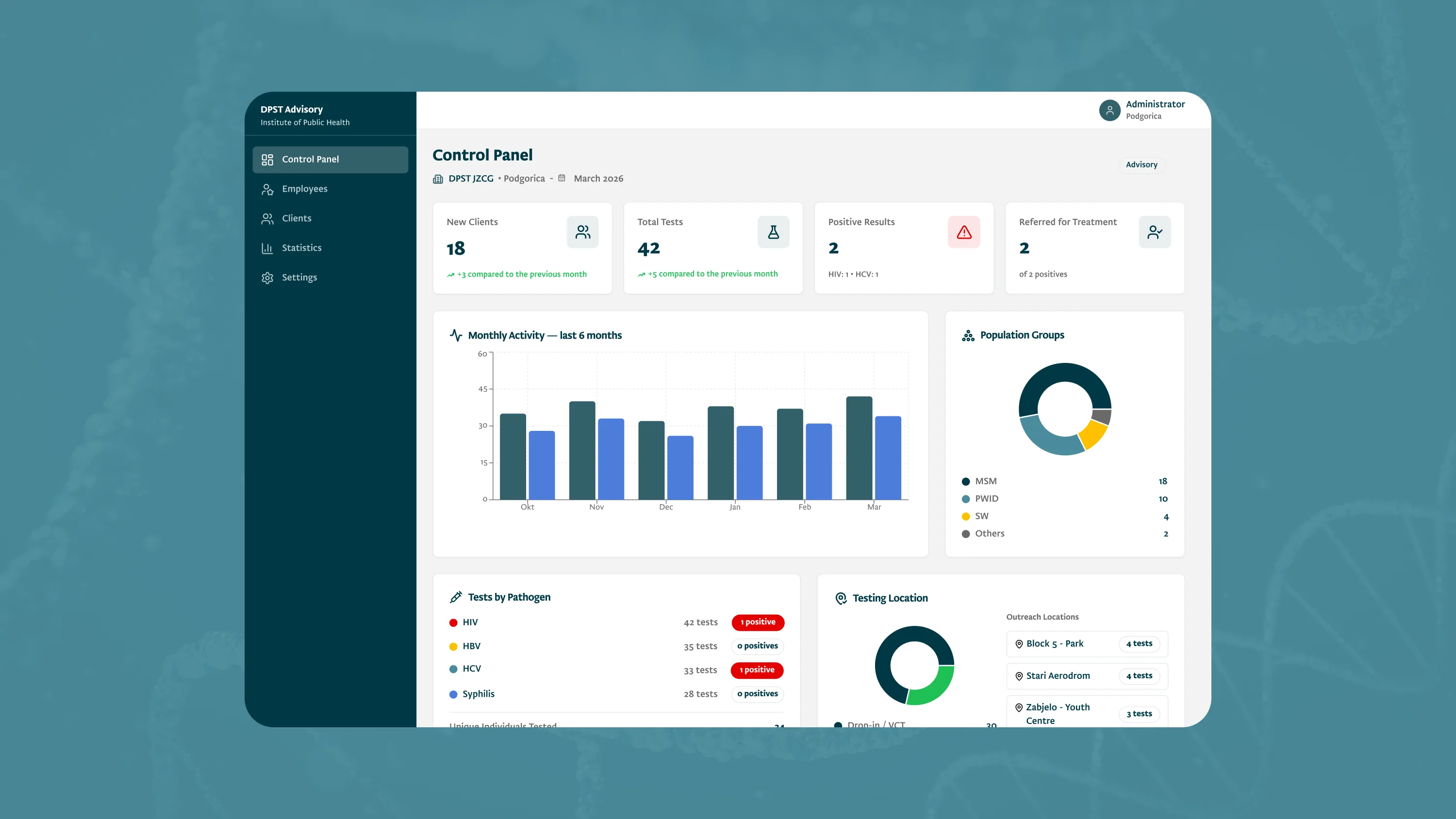
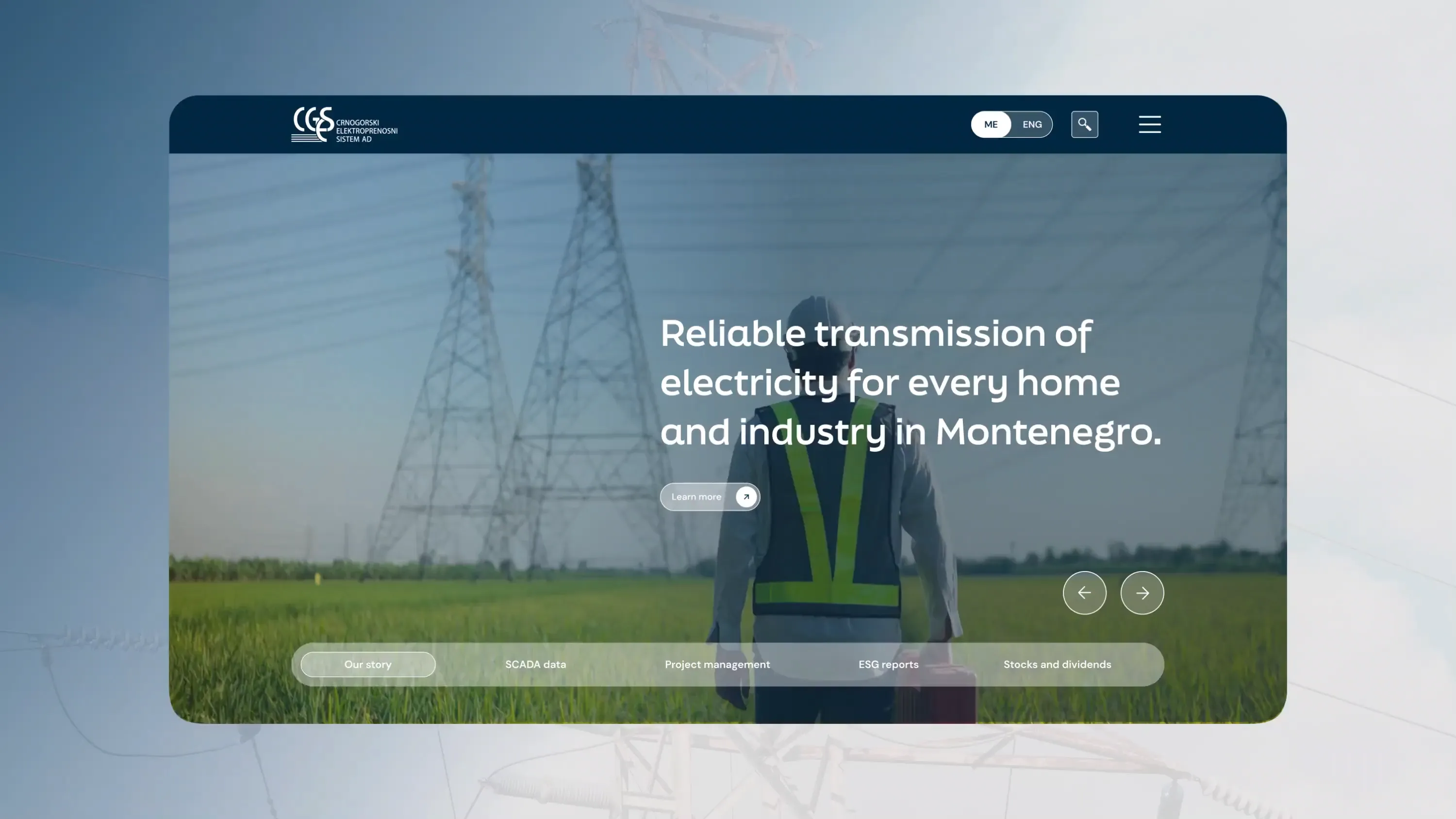
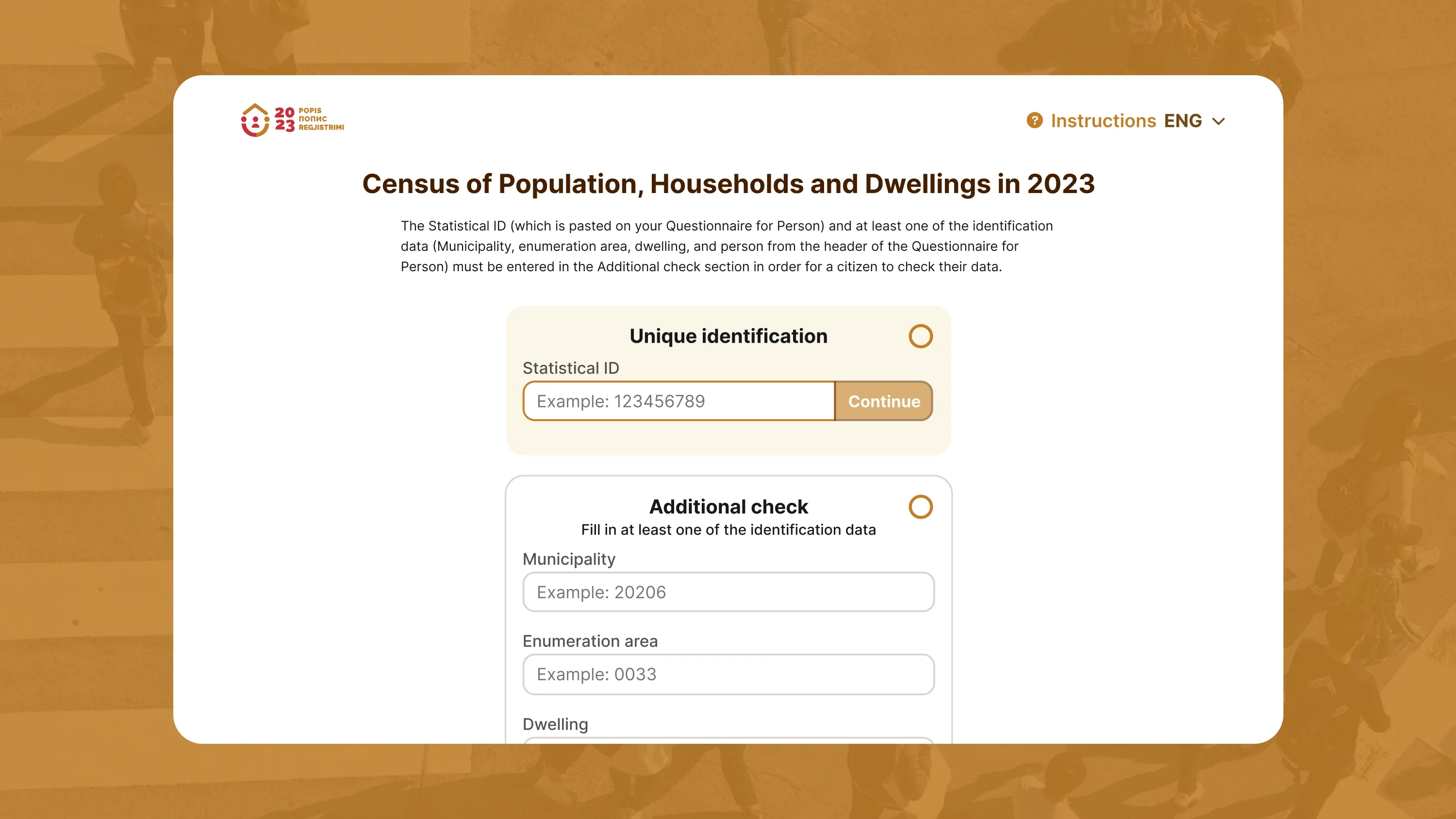
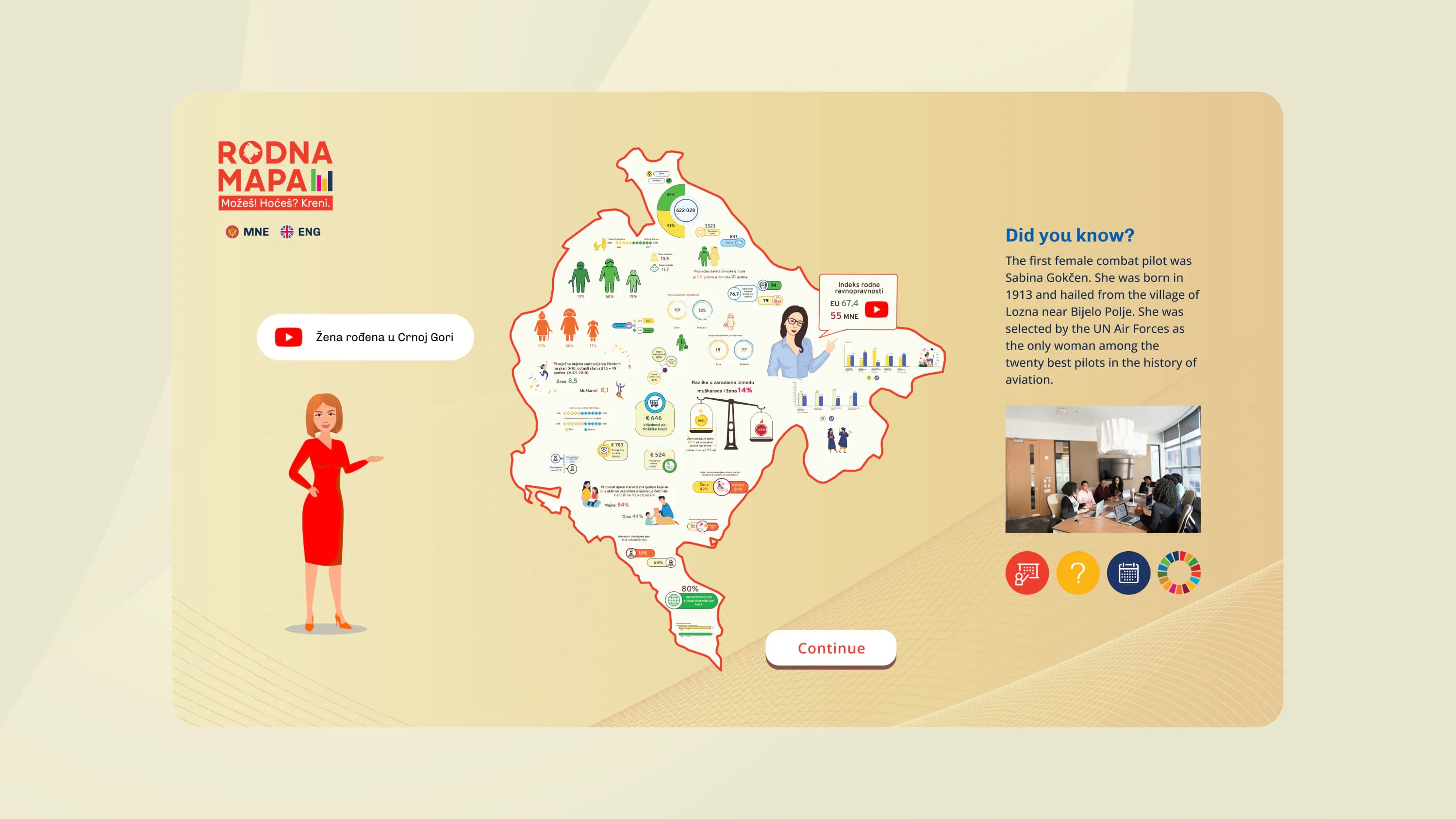
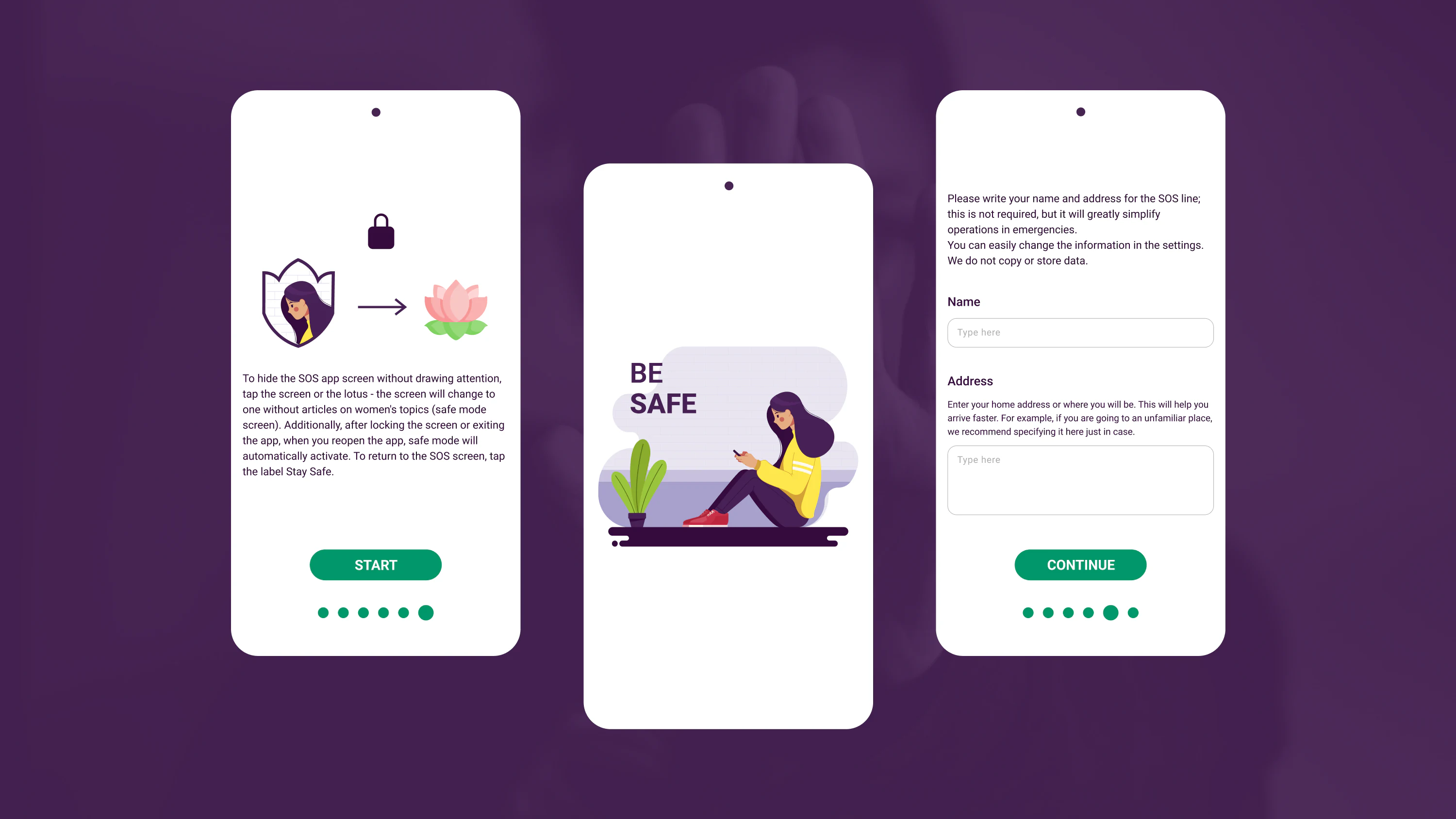
Maintenance and continuous development is long-term work, so the proof is in engagements that ran for years. A couple from our growth and support work below.







What it costs
How this is priced
This is a retainer, not a few hours a month. You fund a stable senior squad sized to the product, so the same people keep context and keep shipping. We usually start with a short trial phase of one to three months, then settle into a steady monthly cadence. Scope and squad size flex with the roadmap.
Most engagements open with a one to three month trial before the steady retainer, so both sides confirm the fit and the cadence before you commit long term.
Where it fits
How Software Maintenance connects to the rest of our work
Software Maintenance is one of the packaged ways we deliver our growth and support work.
Next step
How to get started with ongoing care
Three steps from first call to steady monthly delivery.
Discovery call
30–45 minutes
We review the product, the backlog and the risks, and agree what to fix first. You talk to people who can answer product and technical questions on the spot.
Maintenance proposal
Within a week
A proposal for a maintenance and continuous-development retainer, with squad size and cadence set against your backlog.
Trial phase, then ongoing
Then monthly
Start with a one to three month trial phase, then settle into steady monthly delivery as a stable senior squad.
FAQ
Common questions
Urgent issues on a live, revenue-generating product jump the queue. We agree response and resolution targets up front and hold ourselves to them, with a clear escalation path so you are never waiting on a ticket while customers are affected. Day-to-day, non-urgent work flows through the monthly plan rather than ad-hoc fire drills. If your product genuinely needs round-the-clock cover, we will tell you honestly whether a retainer is enough or whether you need dedicated on-call.
We plan each month together: a slice of capacity is ring-fenced for keeping the product healthy: fixes, dependency upgrades, performance and observability, and the rest goes to the roadmap features you want to ship. You set the priorities; we are opinionated about what is risky to defer and will say so. Nothing important quietly rots in the background just because a shiny feature is louder.
A retainer is a commitment to availability, not a stopwatch, so quieter months go into reducing technical debt and hardening the product rather than disappearing. You can scale the tier up when you are pushing on a release and down when things are steady. We would rather you paid for what you actually need than over-buy. There is no lock-in trap: if the work no longer justifies a retainer, we will tell you.
Yes. That is most of what this work is. We start with an audit: we read the codebase, map the risky parts, check what is and isn't tested, then look at how it's deployed, monitored and backed up. You get an honest picture of its state and a prioritised list before we touch anything.
From there we stabilise first: security updates, the bugs that hurt most, a release process you can trust, then settle into steady delivery. You don't need the original team around for us to own it.
Many relationships evolve into long-term retainers where we handle new features, refactors, performance and DevOps. We agree on a stable squad and scope so it feels like an extension of your own organisation rather than ad-hoc freelancing.
It depends on the service. Discovery sprints, MVPs and AI integrations are typically fixed-scope with clear pricing per phase. Long-term partnerships, dedicated squads and ongoing growth or maintenance work as monthly retainers. We pick the model that lowers risk for both sides.
You work directly with senior leads and experienced ICs; we don't hide a junior factory behind them. The people you meet in early conversations are usually the ones leading or working on your project.
Solutions
Got a live product that needs steady hands?
Tell us where it hurts and what you are running. We will tell you the trade-offs and a realistic first step. The first call is with our commercial lead, often joined by a senior product or engineering lead.
Build faster with AI
Our playbook for integrating AI into product design and development workflows.
Download the playbook