Services
Product Design (UX/UI & Experience)
Design usable, trustworthy experiences for SaaS, platforms and internal tools.
From product UX and SaaS dashboards to design systems, UX audits and redesigns. Work that's grounded in user research and ready for your engineers to ship.
8+ years, 60+ projects shipped, 4.97 / 5 across 34 Clutch reviews.
Built mostly for product leaders and PMs, startup founders and CTOs and engineering leaders.
The scope
What product design covers
The design work this discipline spans, from product UX to marketing experience, scoped to what your product needs.
The core design work, flows, screens, prototypes and a design system, validated with real users so your engineers build something people can actually use.
- User journeys and interaction flows
- Wireframes and high-fidelity UI design
- Clickable prototypes and usability testing
- Design systems and UI kits
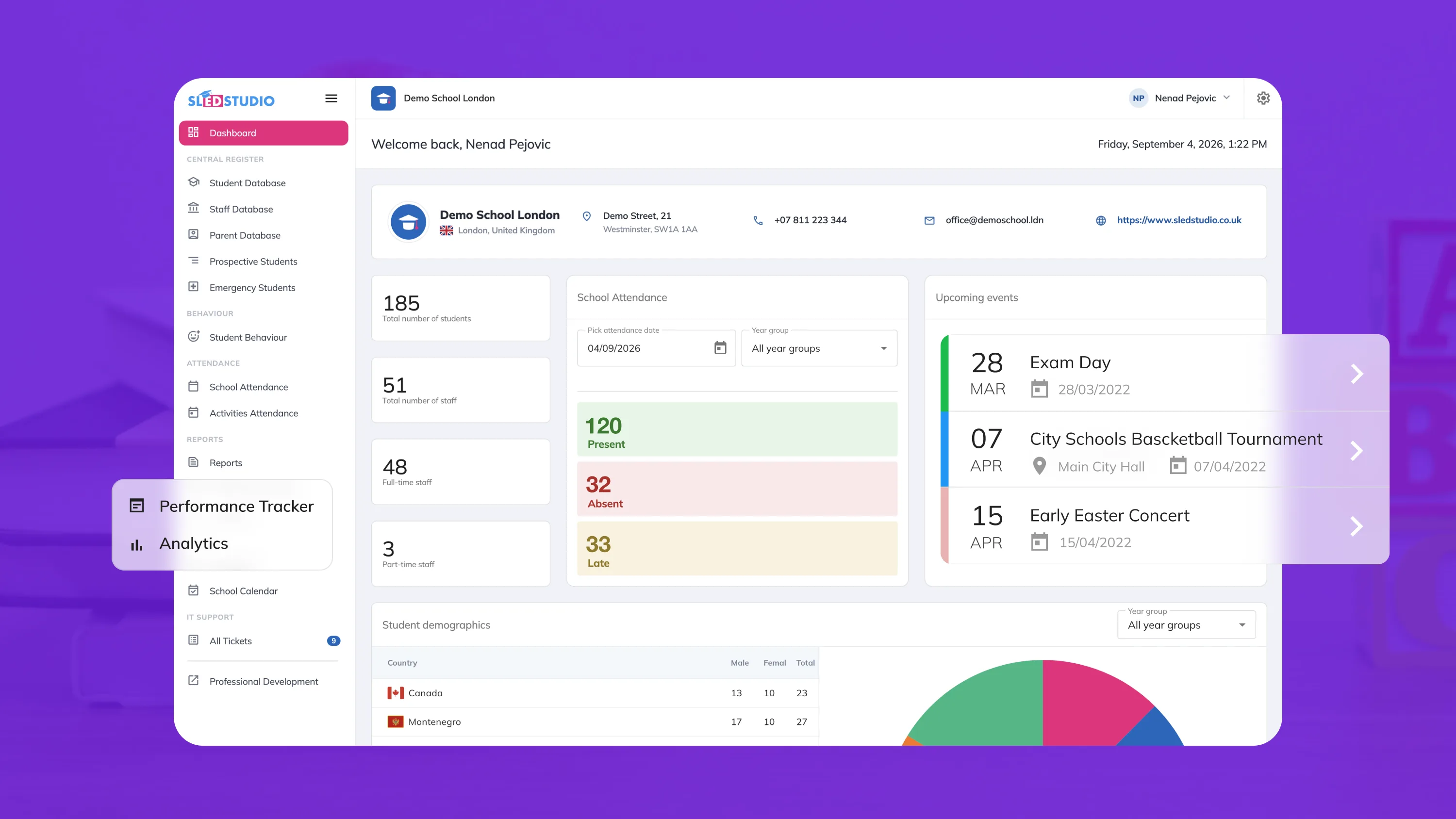
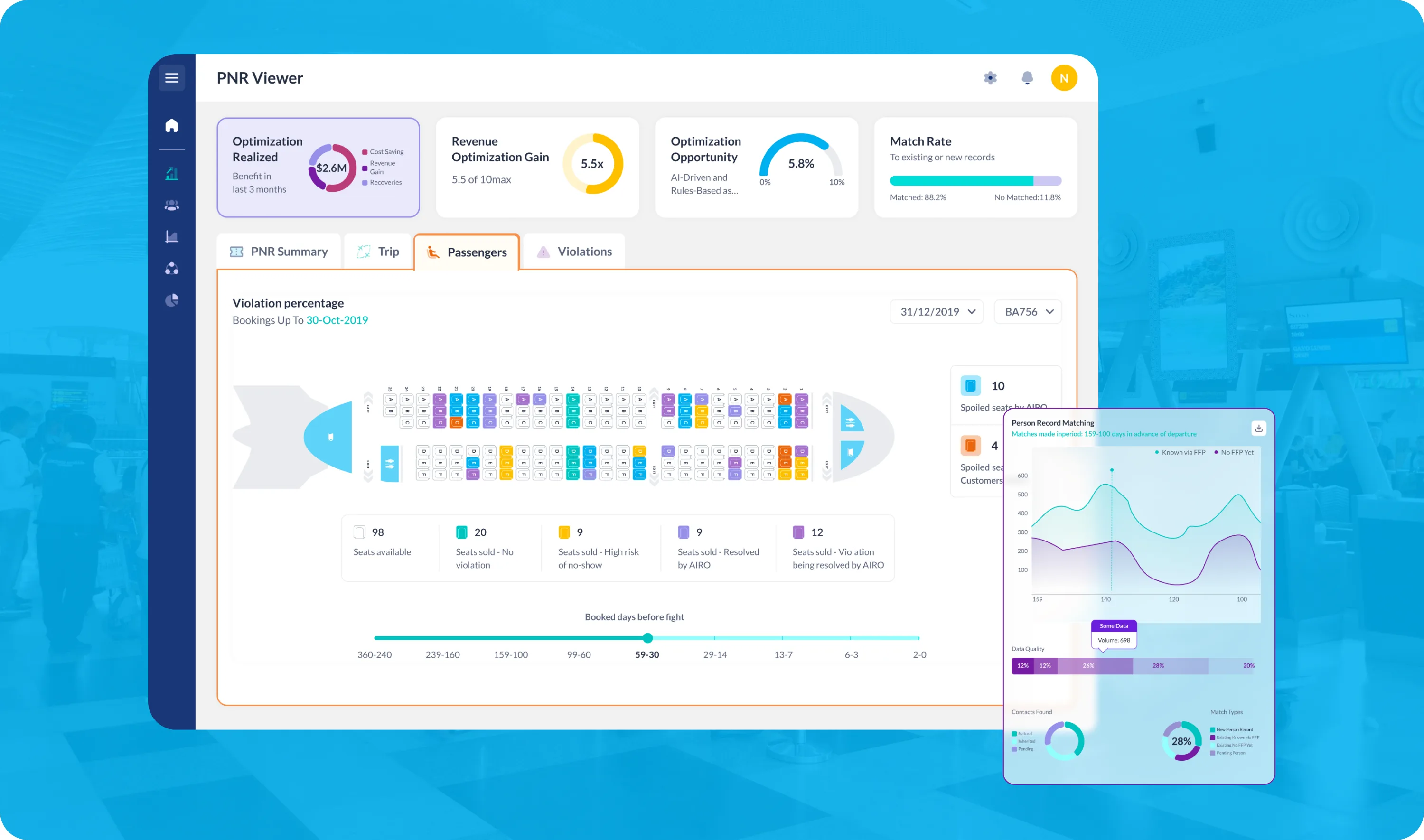
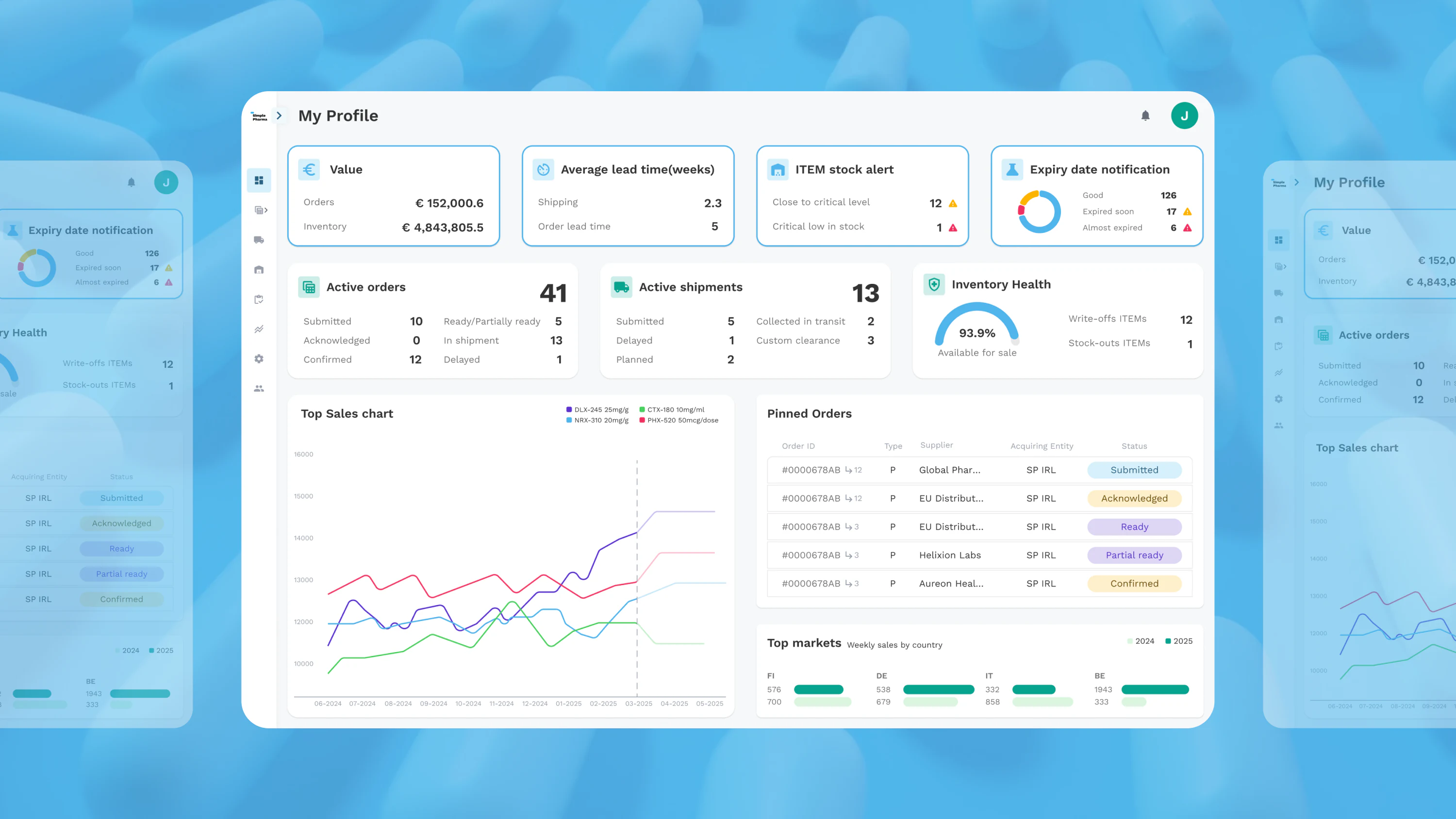
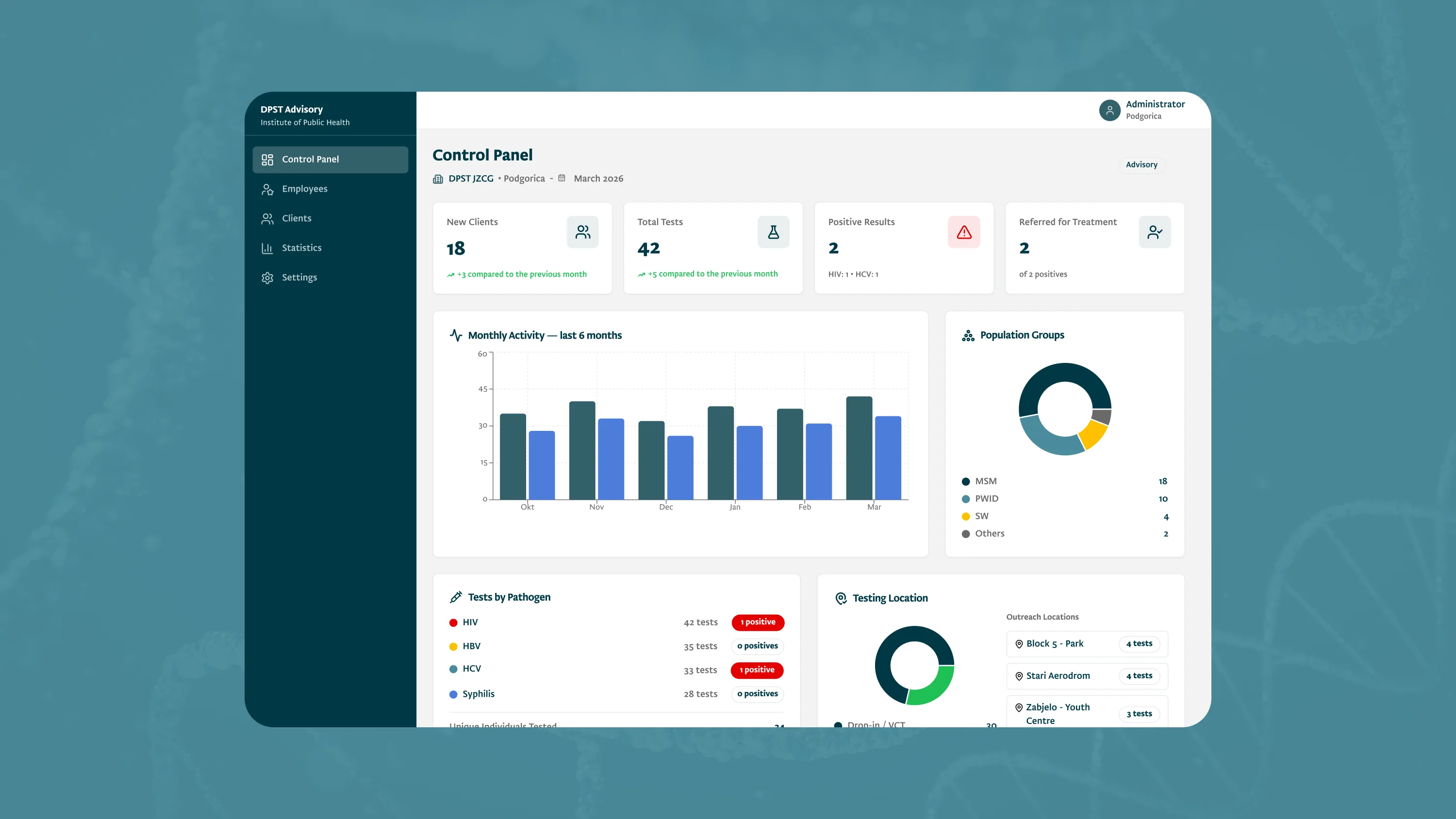
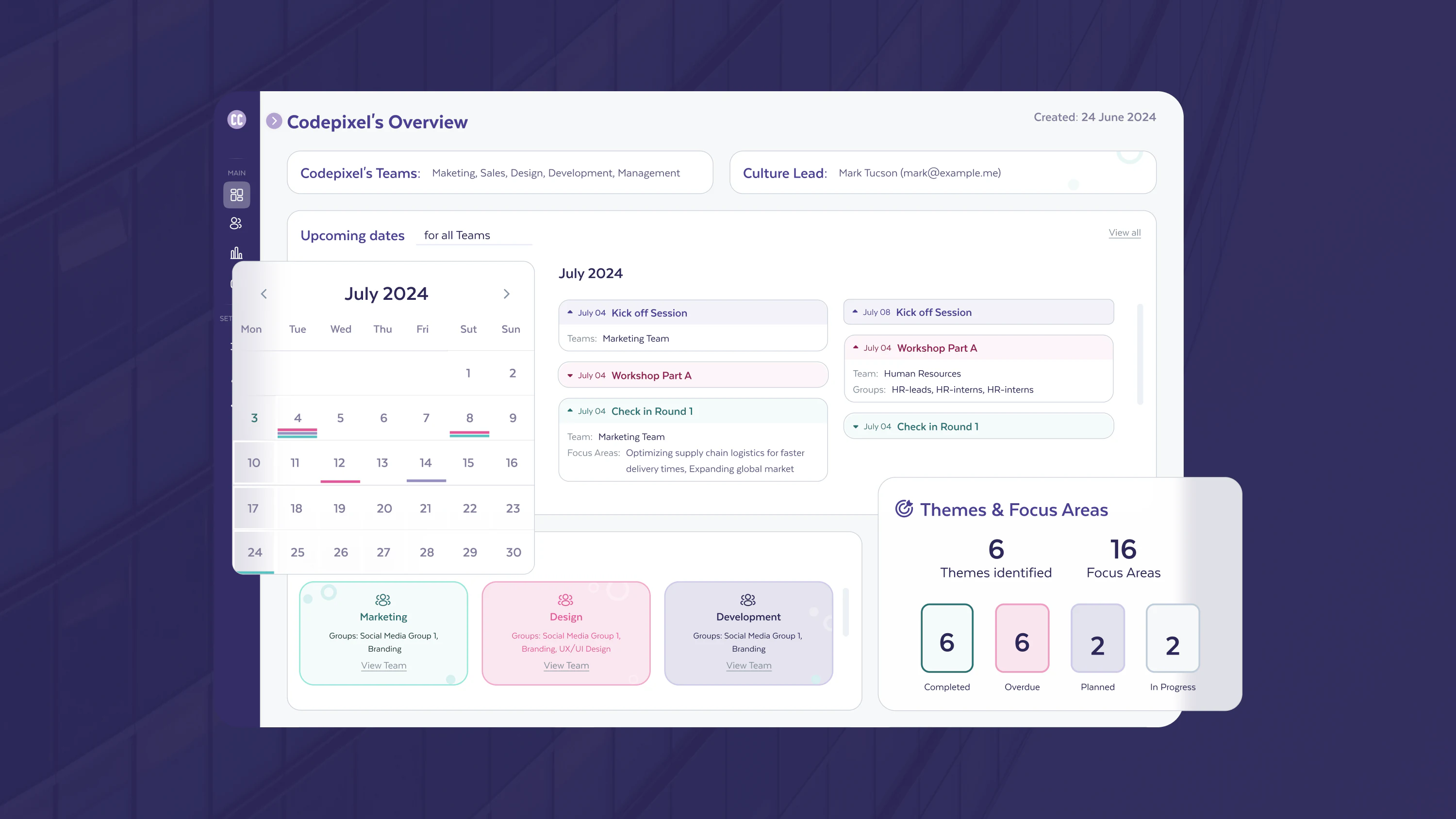
For data-heavy products and platforms, where dashboards, role-based permissions and onboarding decide whether people stay or quietly churn.
- Dashboards and data-heavy interfaces
- Role-based flows and permission-driven UX
- Onboarding and retention UX
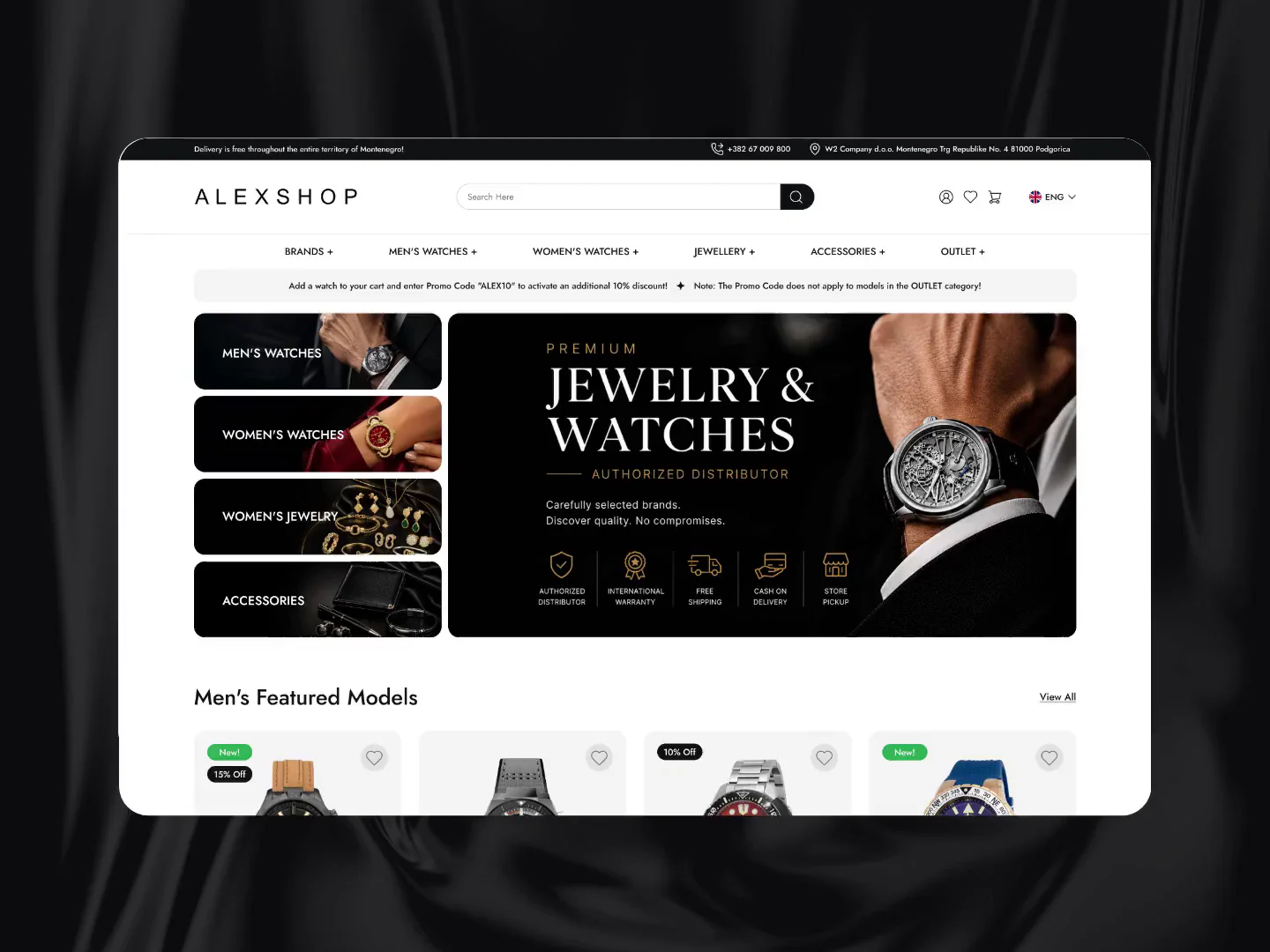
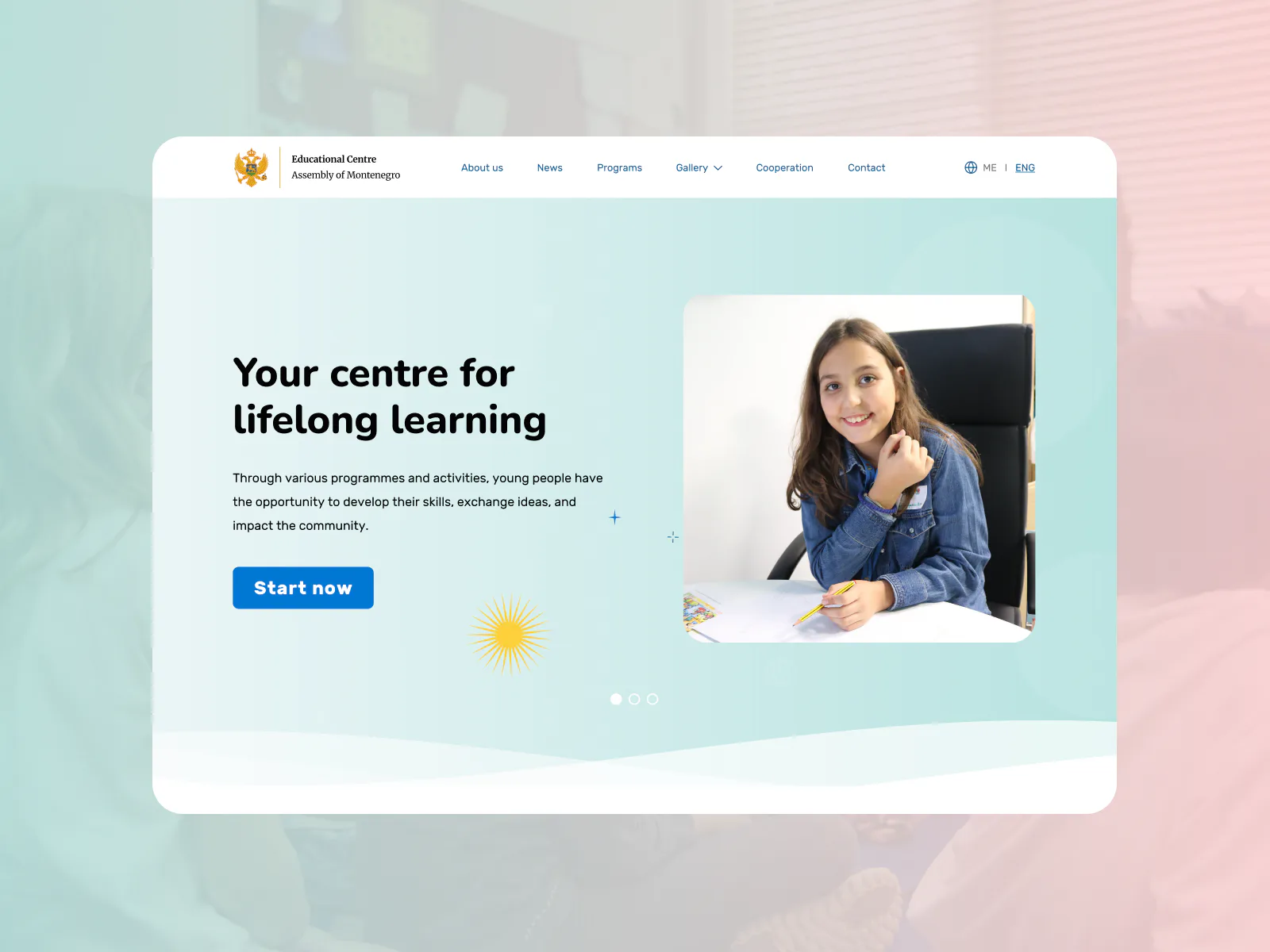
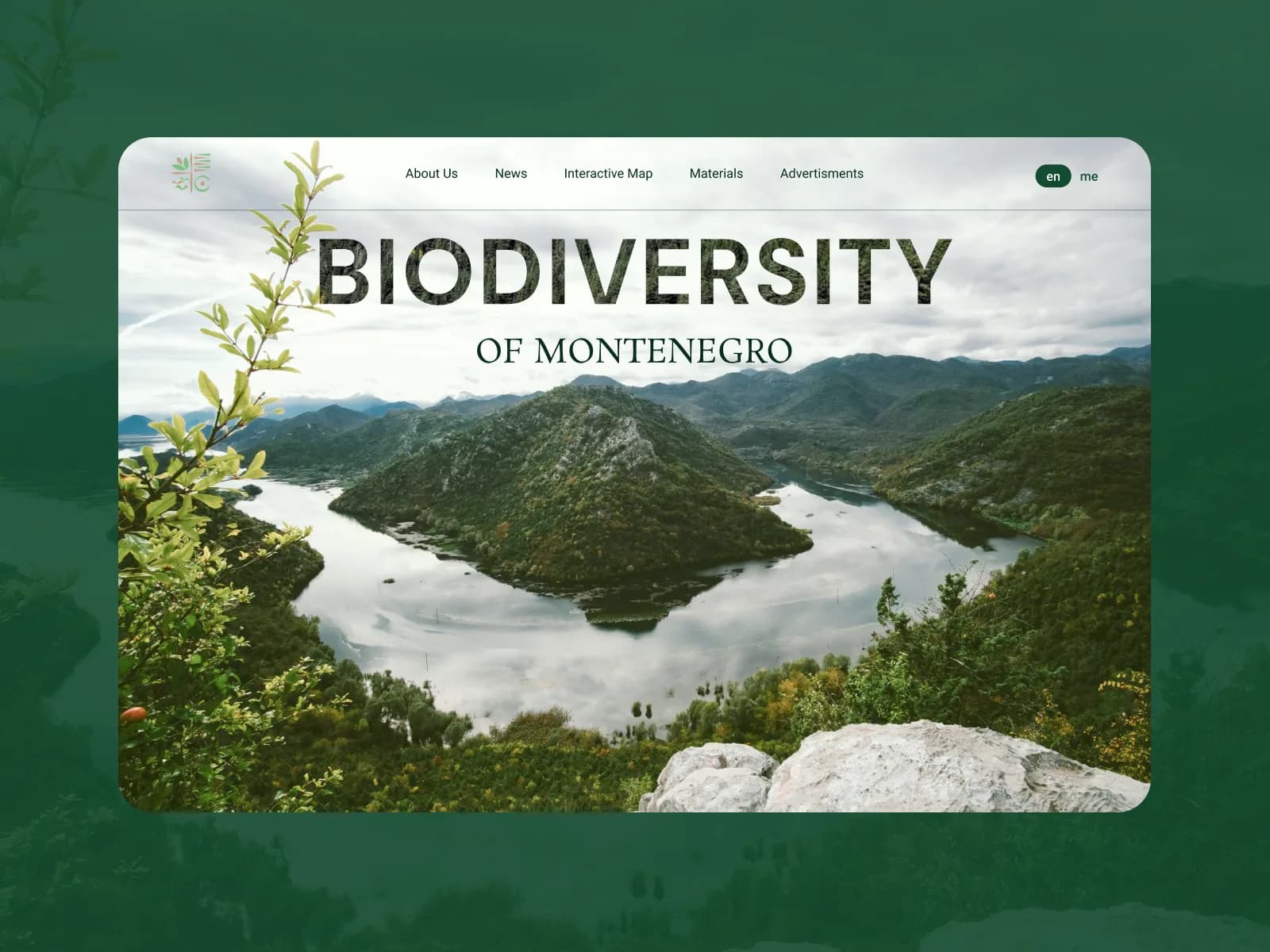
For the marketing surface, pages designed to convert and rank, with a content structure that SEO and your team can build on.
- Marketing websites and landing pages
- Conversion-oriented layouts and funnels
- SEO-aware design and content structure
For a live product that underperforms, a clear-eyed audit, a prioritised list of what's hurting users, and redesigns for the flows that matter most.
- Heuristic review and analytics evaluation
- UX issues report with prioritised improvement plan
- Redesign concepts for key flows and screens
The result
What you end up with
What you get
- User journeys and interaction flows for the paths people actually take
- Wireframes and high-fidelity UI, tested in clickable prototypes
- Design systems and UI kits your engineers build against
- UX audits with issues ranked by impact and effort
- Developer-ready handoff so design and build stay in step
What changes for you
- Flows users can finish without asking for help
- An interface that holds up as features, roles and data grow
- Design decisions the build team can act on without re-litigating them
Discovery
We map the jobs users do, the roles in the product and the constraints from the stack.
Wireframes and flows first
Structure before polish. We get the flows right, then move to high-fidelity UI once they hold.
Prototypes, system and handoff
Prototypes for testing and sign-off, a design system the team reuses, and a developer-ready handoff.
- AI-augmented
AI in the loop
Faster research synthesis, UX copy variants and component exploration speed the work, while humans own the flow decisions, the usability calls and what ships, under a written AI Use Policy.
Where it fits
Where product design fits
Ready to start? These are the packaged ways we deliver this capability.
Proof
Selected work in product design
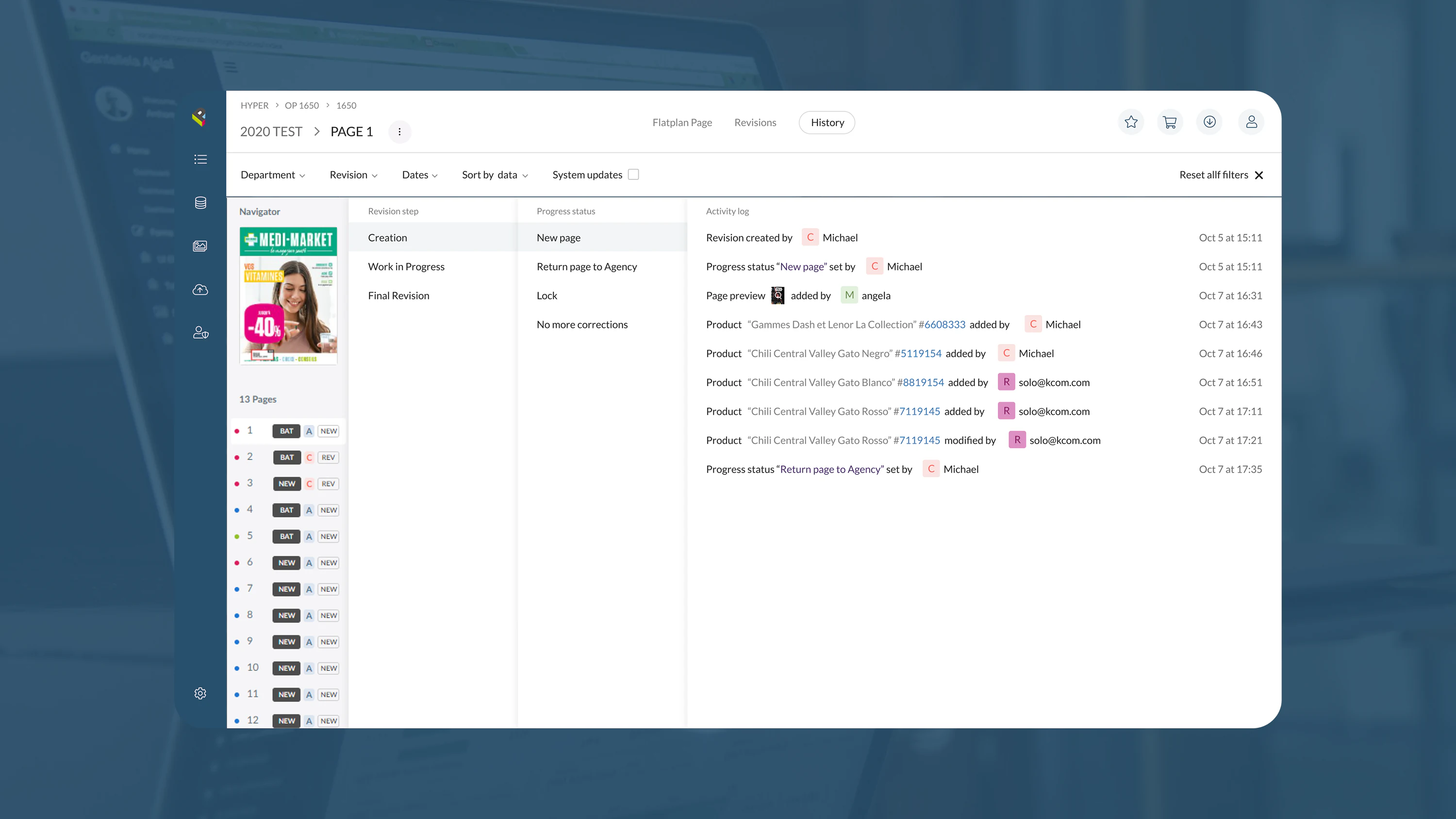
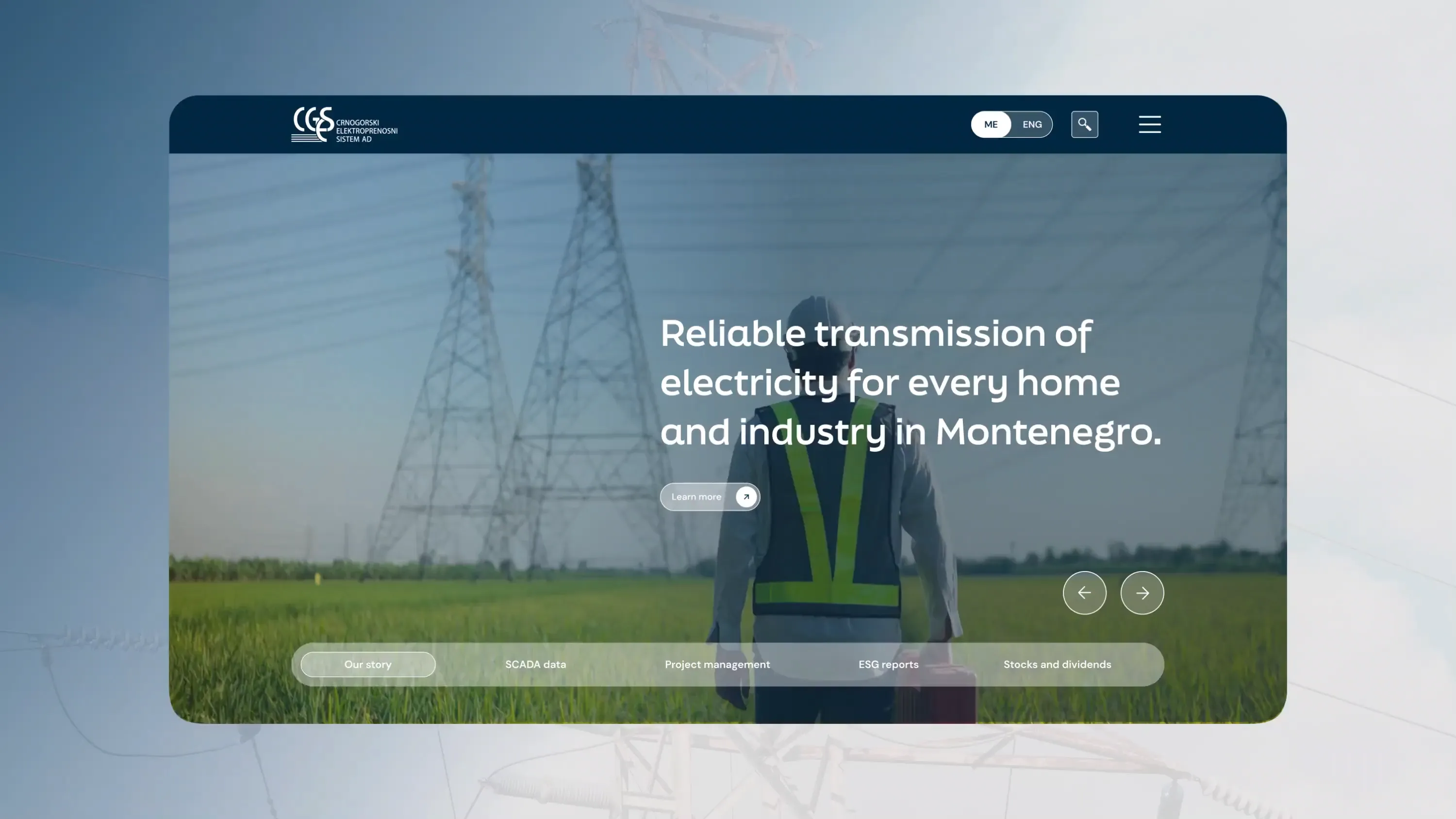
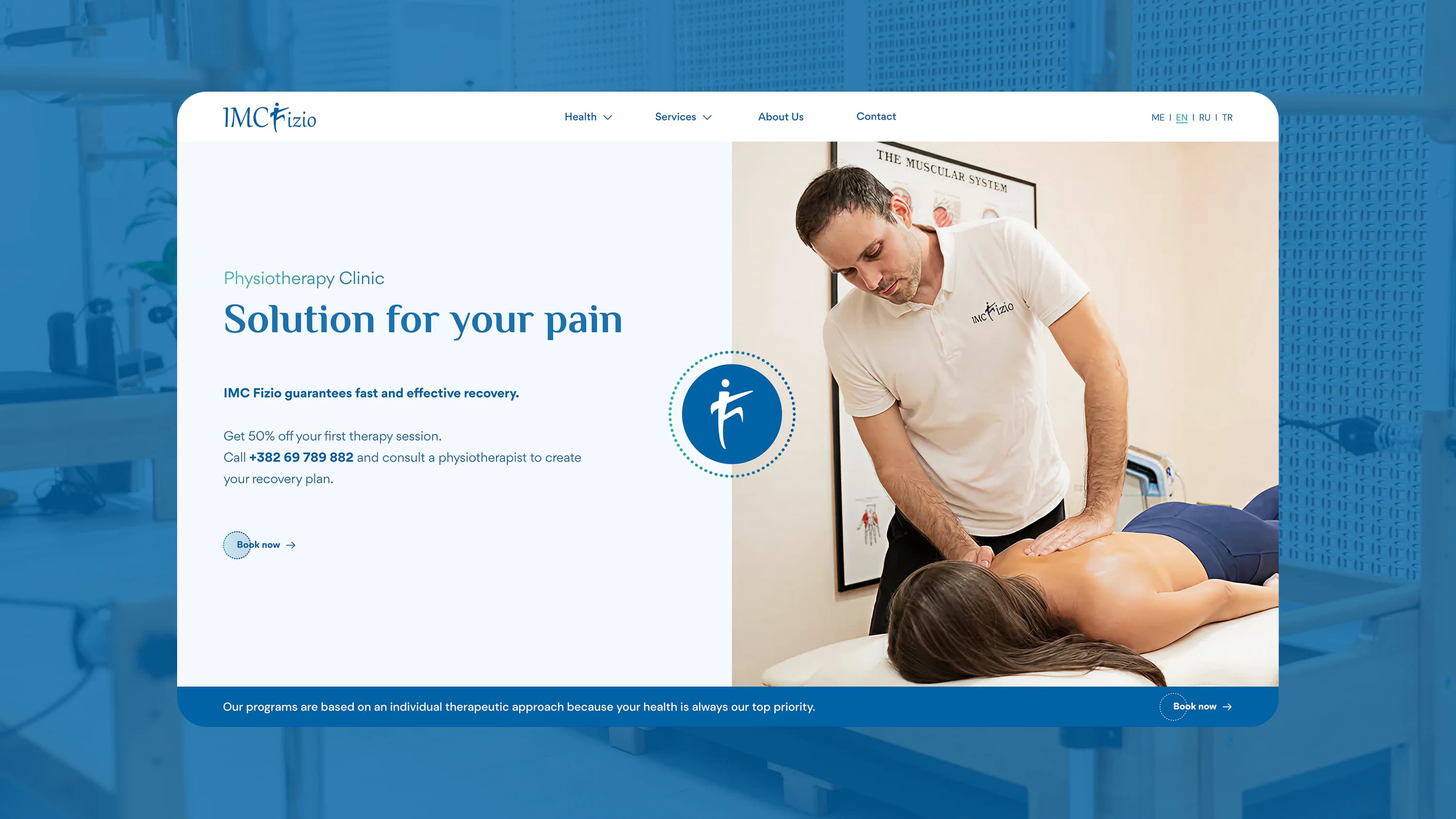
A few projects where design was central. Some are first releases, some are redesigns of products already in use.




Next step
How to get started with product design
Three steps from first call to flows, UI and a design system you can build from.
Discovery call
30–45 minutes
A 30 to 45 minute call to get the product, the users and the constraints. You talk to people who can answer design and product questions on the spot.
Audit or discovery
1–3 weeks
A time-boxed step. For a live product, a UX audit and a prioritised issues report. For a new build, flows and a first set of screens.
Design and handoff
From there
Wireframes, high-fidelity UI and a design system, with developer-ready handoff. Continue as a packaged UX/UI engagement or roll into the build.
FAQ
Common questions
Buildable. Because we're engineers as well as designers, we design with real constraints in mind: component states, edge cases, empty and error states, plus the data your screens actually have to show. You get a developer-ready handoff with spacing, tokens and behaviour documented, not a set of static frames that fall apart the moment someone starts coding.
That depends on what you need, and we'll be honest about it. If you're shipping a handful of screens once, a full design system is overkill. If you're scaling a product, we build a tokenised component library: type, colour, spacing and reusable components, so your team can ship new screens consistently without redesigning from scratch every time.
A prioritised list of what's hurting you and what to fix first, not a vague slide deck. We review your real flows against how people actually use the product, flag the friction costing you conversions or support tickets, then rank fixes by impact versus effort. You leave with a clear plan you can hand straight to a team, whether that's ours or yours.
Serious new builds usually start at a meaningful multi-week scope (roughly €25–30k+ for an MVP) and scale with complexity, integrations and team size. Ongoing retainers are designed to support a focused senior-led squad rather than "a few hours per month".
Real products. In discovery we can turn an idea into a clickable prototype fast, to validate with users or investors, but it is built to grow into production, not thrown away. From there we ship in milestones you approve, with the same quality gates regardless of speed. We do not ship demos that fall apart the moment real users arrive.
Yes. A common pattern is a Codepixel squad owning a product stream or module while working closely with your internal team on roadmap, architecture and reviews. We can plug into your existing stack and processes, or help you evolve them where needed.
Services
Ready to design something people can actually use?
Tell us about your product and where the experience breaks down. The first call is with our commercial lead, often joined by a senior product or design lead.
Build faster with AI
Our playbook for integrating AI into product design and development workflows.
Download the playbook