


Audit content and goals
Discovery
We map the content model, the editors' needs and the URLs and SEO we cannot afford to lose.
Headless and traditional CMS setups for content-heavy sites, media platforms and public-sector portals. WordPress, Strapi and Webflow combined with React/Next.js where needed.
The content platforms and migrations behind content-heavy sites, portals and media.
Headless and static platforms
Strapi paired with Next.js for content-driven products that need a custom frontend. Jekyll when the content lives in the repo and the site should ship as static HTML.
Traditional CMS
WordPress for corporate, government, media and nonprofit sites, with custom themes and components.
Editor experience that holds up
Non-developers publish, schedule and control visibility without a developer in the loop.
Migrations without losing SEO
We move content between platforms with redirects, structure and URLs preserved.
Headless is not automatically the answer. We pick the platform that fits the team and the content, and say so honestly.
Strapi plus a custom Next.js frontend when the product needs design control or multiple channels. WordPress when the team needs a familiar editor and speed to launch. Jekyll when the content is developer-owned and the site should stay static.
If the people publishing every day cannot work without a developer, the platform has failed, whatever the architecture.
Core Web Vitals, clean structure and preserved URLs on every migration.
The tools we reach for in this pillar. Honest, not exhaustive.
The plugins, commerce, analytics and marketing services behind content-heavy sites.
Third-party services we wire in, picked per project. Our core stack is the section above.
Four platforms, four different strengths. We match the choice to the team and the content, not to a trend.
Headless wins less often than people think. We will tell you when it does not.
Structure, media and metadata mapped to the new model, not flattened or dropped.
Old URLs redirect to new ones, so rankings and inbound links survive the move.
Core Web Vitals and indexing checked against the old site, with real numbers.
We test the migration before go-live and switch behind a redirect map, so if indexing dips we roll back in minutes instead of losing a day.
Whether it is a new build or a move off an old CMS, content and SEO come first.
Discovery
We map the content model, the editors' needs and the URLs and SEO we cannot afford to lose.
Build
The right platform, custom components and a migration that preserves structure, redirects and rankings.
Release
Performance and SEO checks, editor training and a platform the team can run without us.
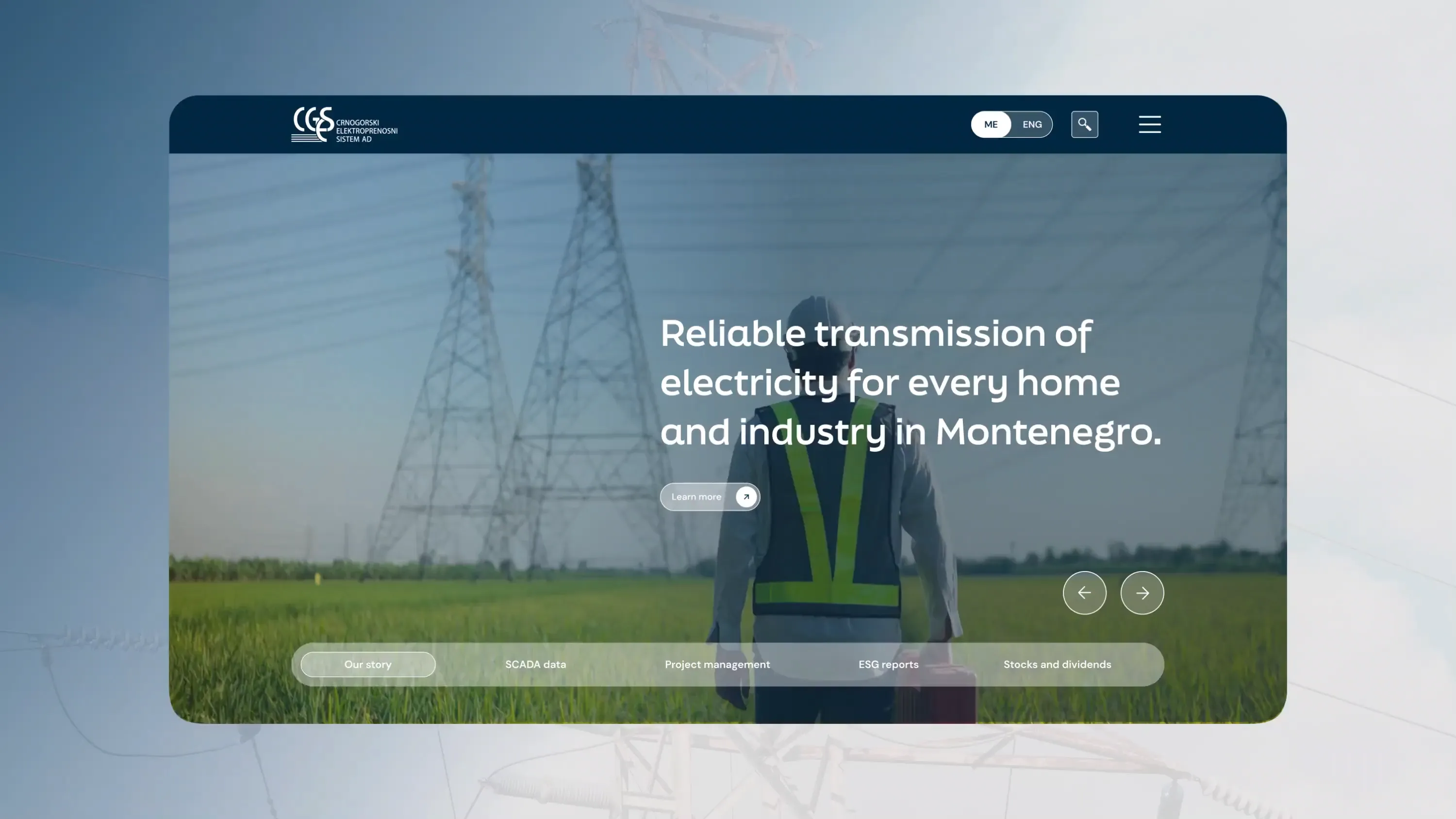
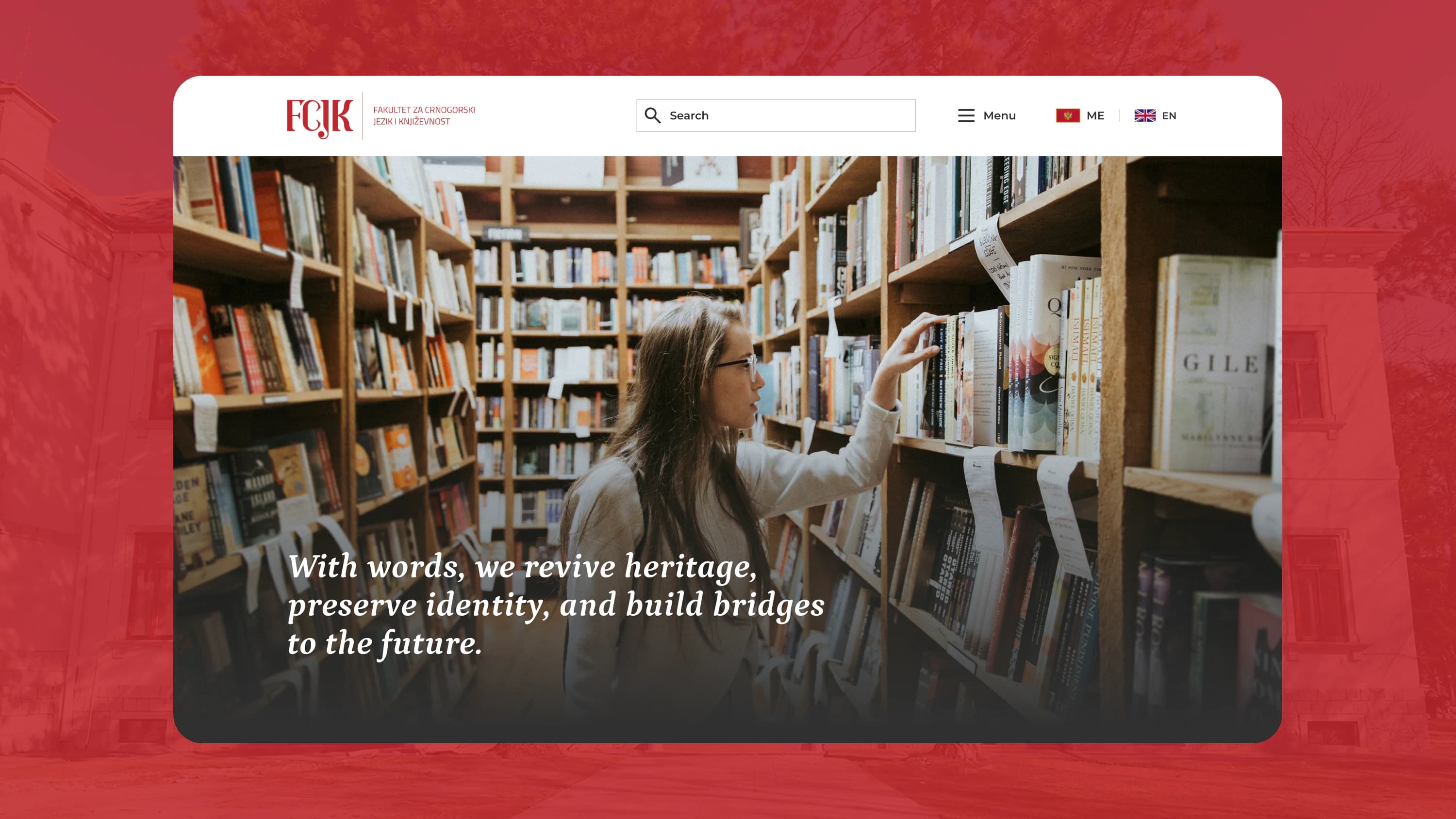
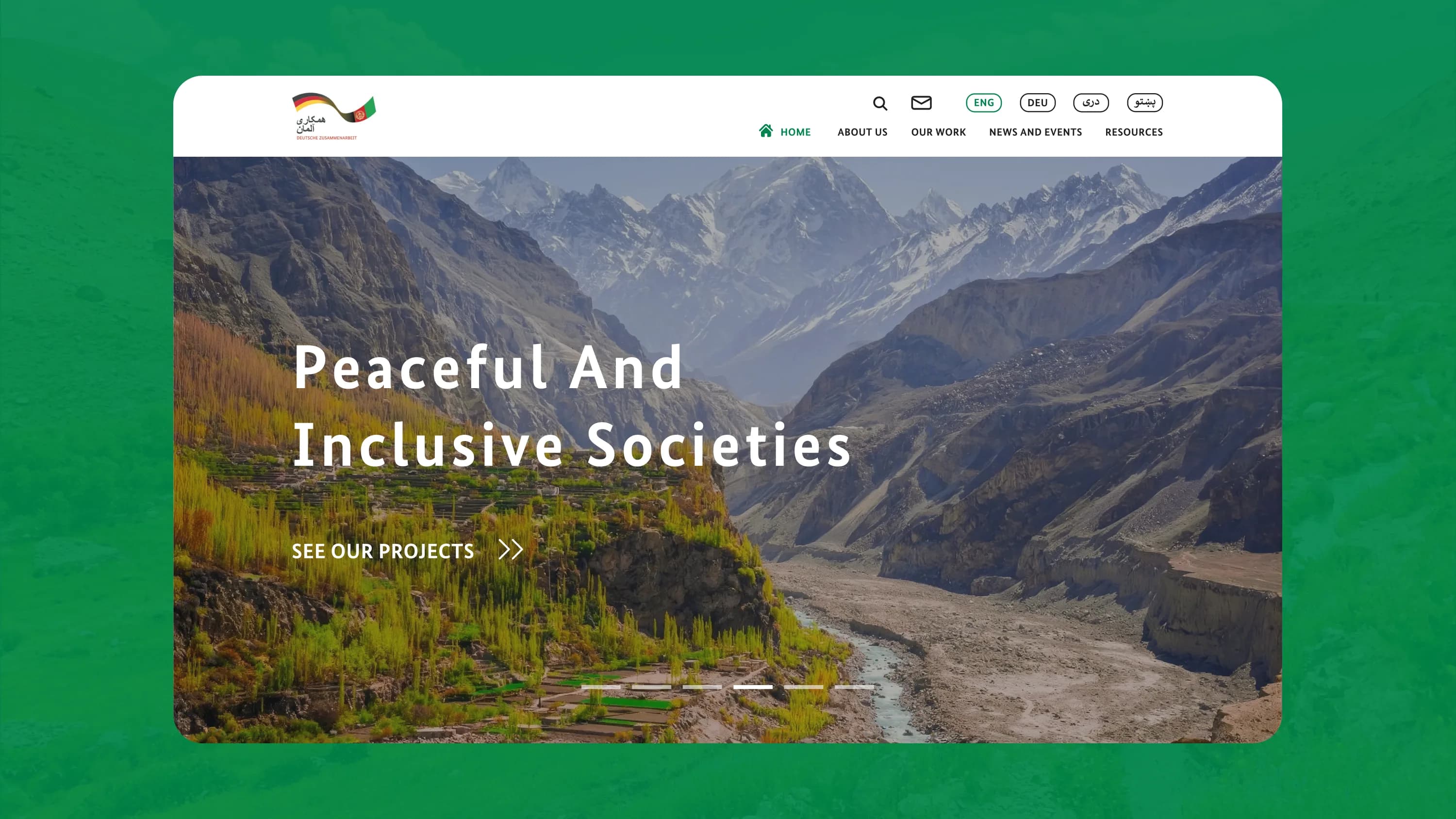
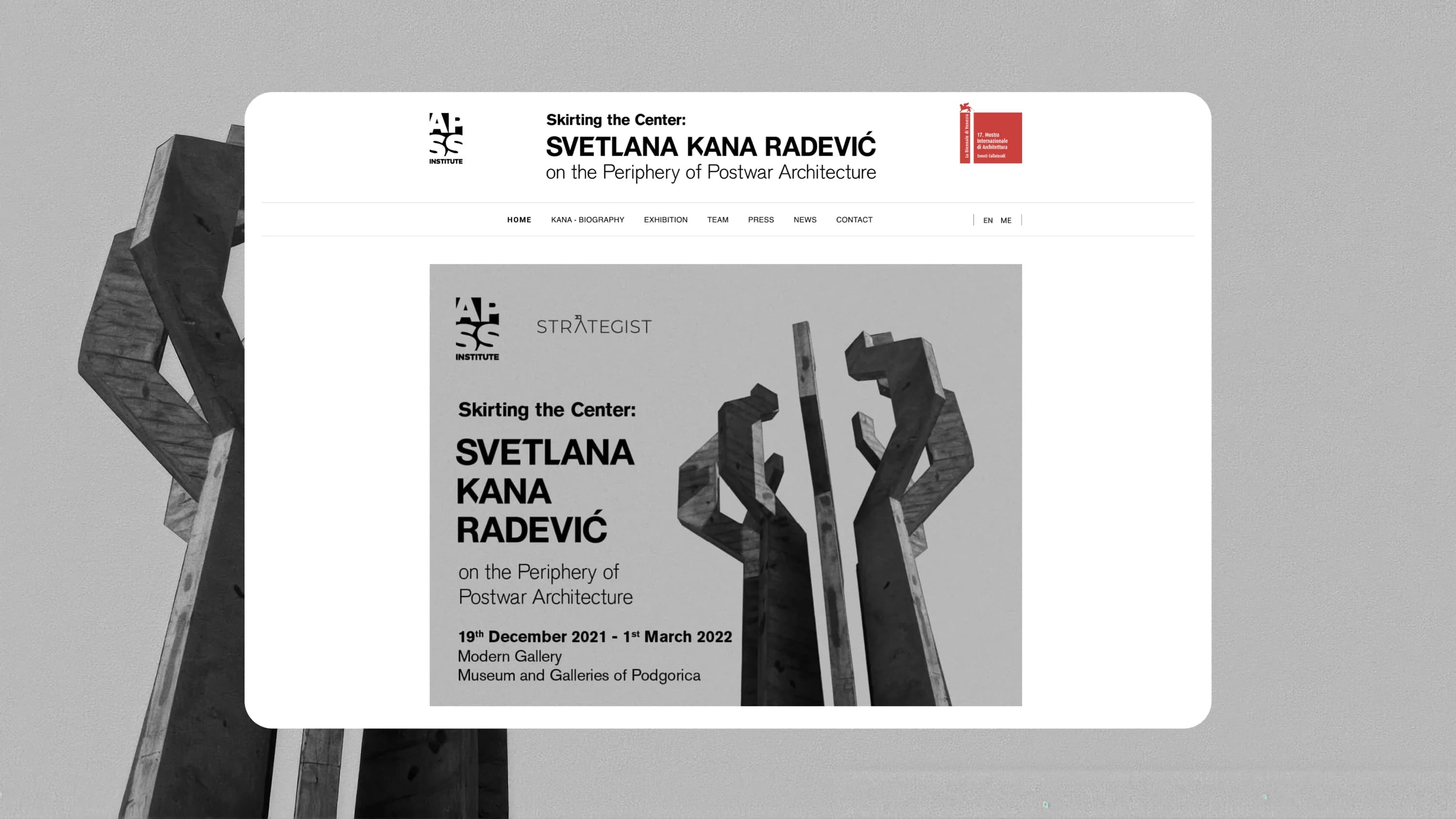
Content platforms and re-platforming projects where the traffic, rankings and editors all survived the move.
Often WordPress is fine, and we will tell you when it is. Headless earns its place when you need real design control, multiple channels or an API-first front end, and we pair Strapi with Next.js for that. When the priority is a familiar editor and speed to launch, WordPress usually wins, and Webflow suits design-led marketing sites. We match the platform to your team and your content, not to a trend, because headless wins less often than people think.
Not if the migration is planned around it. Before we move anything we map every URL we cannot afford to lose and build a redirect map, so old links and rankings carry over to the new platform. Content moves with its structure and metadata intact, not flattened, and we check Core Web Vitals and indexing against the old site with real numbers. The cutover happens behind the redirects and stays reversible, so a bad surprise is a rollback, not weeks of lost traffic.
You do. We usually work in your repositories and cloud accounts, or hand them over at the end, with clear documentation and runbooks so you're not dependent on us for basic operations.
Tell us about your product and constraints, and we'll help you choose the right stack and a sensible first step.
Our playbook for integrating AI into product design and development workflows.
Download the playbook