Services
AI & Data Engineering
The full AI and data engineering capability, under one senior squad. Data foundations first, then AI that earns its place.
LLM applications, AI workflow automation, data pipelines and analytics dashboards, plus recommendation and personalisation systems. Each ships with an evaluation suite and monitoring.
8+ years, 60+ projects shipped, 4.97 / 5 across 34 Clutch reviews.
Built mostly for product leaders and CTOs and engineering leaders.
The scope
What AI and data engineering covers
Four areas of AI and data work, scoped to what your product needs.
LLM features that ship safely, in-product assistants, document Q&A and search, with prompt orchestration and guardrails around them.
- In-product assistants and chatbots
- RAG search and document Q&A
- Prompt orchestration and guardrails
AI pointed at the unglamorous work, back-office tools and document processing that quietly save your internal teams hours.
- AI-powered back-office tools
- Automated document and workflow processing
- Operational automation for internal teams
The data foundation under everything else, tracking, pipelines and dashboards so decisions run on real numbers instead of guesses.
- Event tracking strategy
- Data pipelines and storage
- Product and business dashboards
Systems that adapt to each user, recommendation engines, personalised onboarding and UX that responds to how people actually behave.
- Recommendation engines
- Personalised onboarding flows
- Adaptive UX based on user behaviour
The result
What you end up with
What you get
- A scoped AI use case with a feasibility, risk and cost read before we build
- Working AI features in your product: assistant, RAG search or recommendations
- Guardrails, evaluation sets and monitoring for AI behaviour in production
- Data pipelines, event tracking and dashboards with the metrics that matter
- Documentation and runbooks for the AI and data systems we hand over
What changes for you
- AI features that are safe to put in front of users, with known failure modes
- Repetitive internal work handled by automation instead of people
- Decisions made on data you can see, not guesswork
Discovery
We map the use case, the data it needs and what happens when the model is wrong.
Feasibility, risk and cost read
A clear read on whether to build, and at what running cost, before we commit.
Build with guardrails
We build behind your existing reviews, tests and CI, with humans owning the architecture, plus evaluation sets and monitoring.
- AI-augmented
AI in the loop
Faster research, code assist, test generation and evaluation tooling speed our delivery, while humans own architecture, security and product decisions under a written AI Use Policy.
Where it fits
Where AI and data engineering fits
AI and data work usually sits on top of an existing product, once there is something to instrument, automate or improve.
Proof
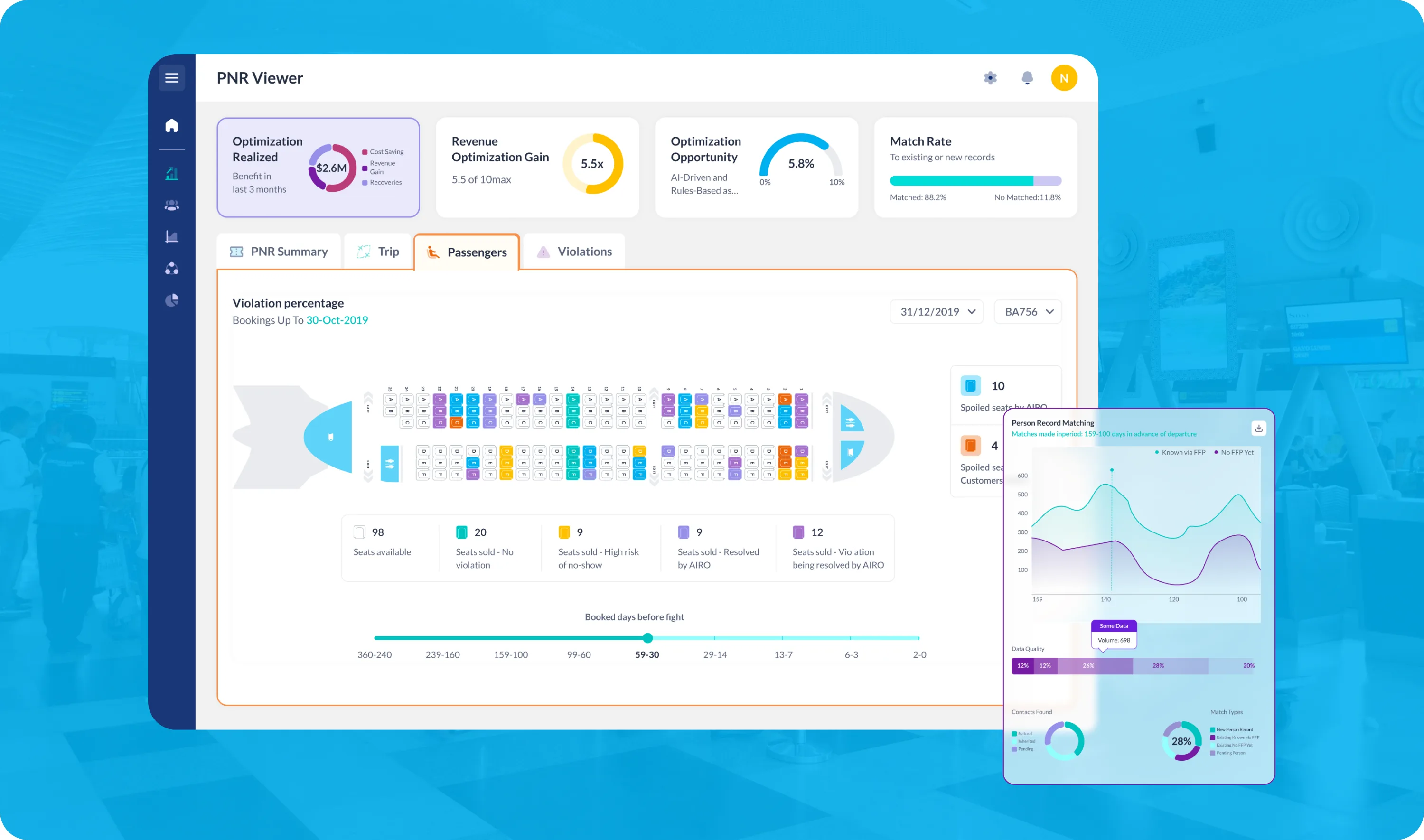
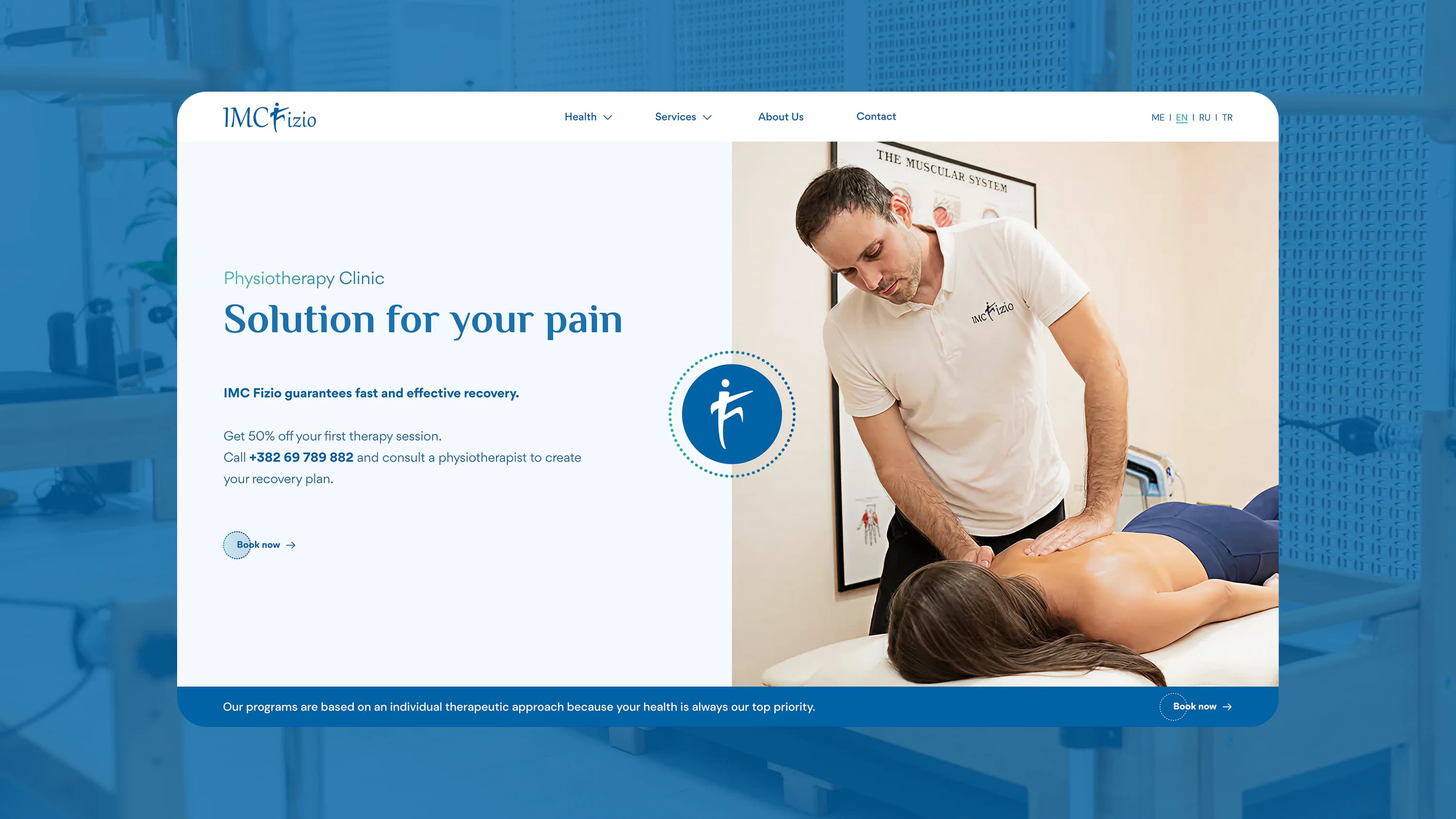
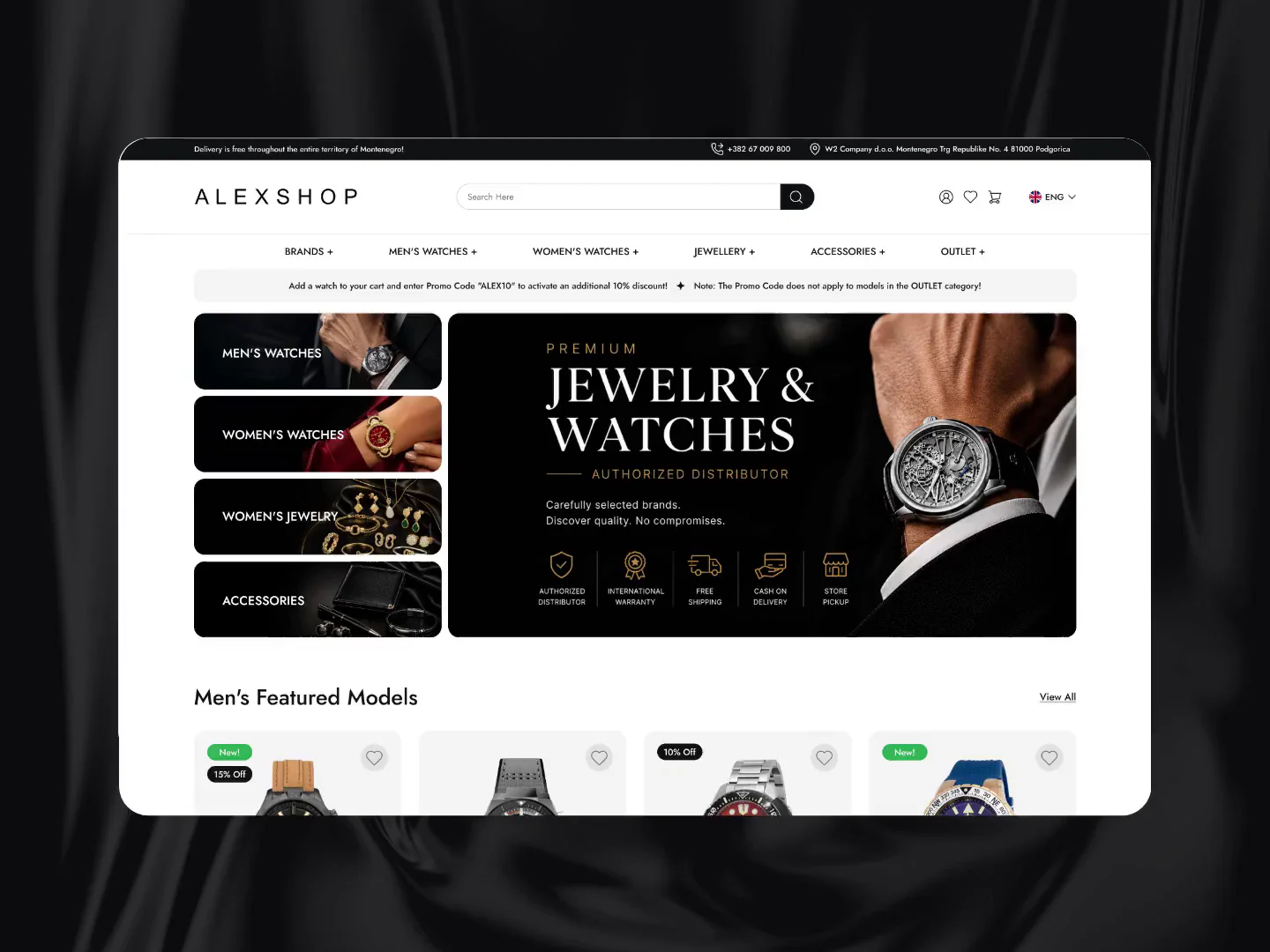
Selected work in AI and data engineering
A few projects where AI and data work was central. Some are first releases, some are years of ongoing work.


Insights
Related articles
Field notes and how-tos from the team, close to this work.

Before you implement AI, understand the process
Almost every company we speak to wants to do something with AI. Fewer can describe the process behind the problem. Why we map how the work happens today before choosing between AI, an integration, plain automation or changing the process itself.
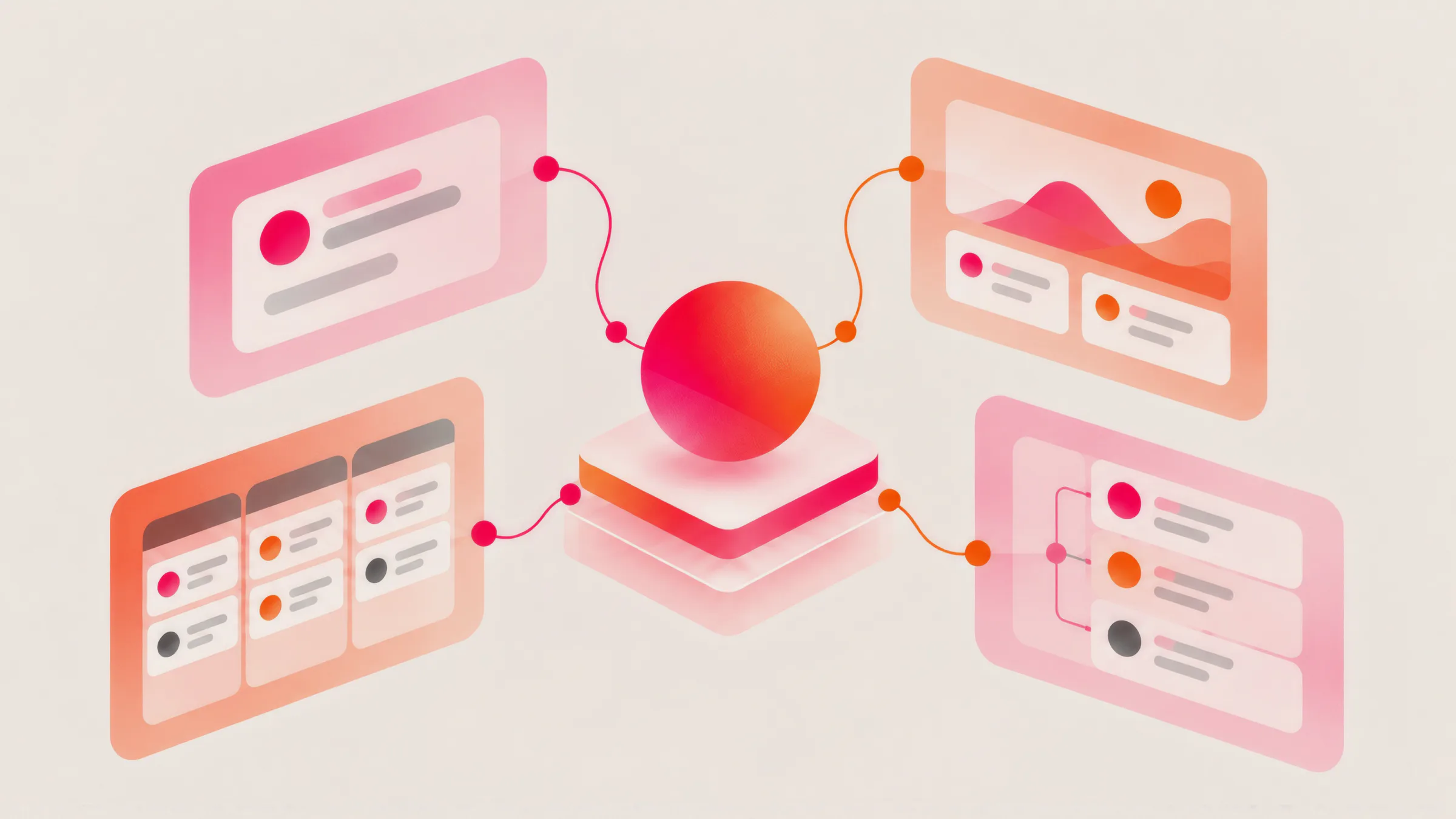
How we use ClickUp to run projects, operations and AI workflows
How Codepixel runs projects and operations in ClickUp, and why clear processes came before adding AI agents to the workflow.

"AI-augmented" is meaningless unless you say which parts
Every agency you're evaluating claims AI augmentation, so the adjective tells you nothing. The specific version: where AI sits in our delivery, where it doesn't and where a senior engineer signs their name regardless.
Before you implement AI, understand the process
Almost every company we speak to wants to do something with AI. Fewer can describe the process behind the problem. Why we map how the work happens today before choosing between AI, an integration, plain automation or changing the process itself.
How we use ClickUp to run projects, operations and AI workflows
How Codepixel runs projects and operations in ClickUp, and why clear processes came before adding AI agents to the workflow.
"AI-augmented" is meaningless unless you say which parts
Every agency you're evaluating claims AI augmentation, so the adjective tells you nothing. The specific version: where AI sits in our delivery, where it doesn't and where a senior engineer signs their name regardless.
Next step
How to get started with AI and data engineering
Three steps from first call to a feature shipped with guardrails.
Discovery call
30–45 minutes
A short call to understand the use case, the product and the constraints. You talk to people who can answer technical and product questions on the spot.
AI opportunity and feasibility read
1–2 weeks
A time-boxed step. We map the use case, the data it needs and what breaks when the model is wrong, then give you a feasibility, risk and cost read.
Build with guardrails
From there
We build the feature behind your existing reviews and tests, with evaluation, monitoring and a runbook, then continue as a packaged AI integration or ongoing data and AI work.
FAQ
Common questions
Yes. That's what retrieval-augmented generation (RAG) is for. We connect the model to your own content: docs, tickets, product data, knowledge base, so answers are grounded in your sources rather than the model's general training, and we cite where each answer came from so you can check it. The hard part is rarely the model; it's getting your data clean, chunked and permission-aware, which is where most of the engineering goes.
We treat AI like any other production system: measured, not assumed. Before launch we build an evaluation set that scores answers against known-good cases, and once live we monitor quality, cost and latency, with logging and alerts when behaviour drifts. That way a regression from a new model version or a change in your data shows up on a dashboard, not in an angry customer email.
Honestly, for many teams the data needs work first, and we'll tell you if it does rather than bolting AI onto a shaky foundation. We can assess what you have, sort out the pipelines, structure and access controls, then build the data layer the AI actually depends on. Sometimes the most valuable thing we ship in the first phase isn't a model at all; it's a clean, reliable foundation that makes everything after it possible.
We default to retrieval over your own data, so answers are grounded in your sources and cite where they came from instead of being generated from the model's memory. Before launch we build evals on real cases with acceptance thresholds, so we measure answer quality rather than hoping it's good, and we add input and output guardrails plus a human-owned fallback for when the model is unsure. Where we can't reach a quality bar we can stand behind, we'll tell you the feature isn't ready rather than ship a confident guess.
No lock-in by design. We treat the model as a swappable component behind your own retrieval layer and structured-output contracts, and we work across providers like OpenAI, Anthropic, Google Gemini, Azure OpenAI and AWS Bedrock so you can move if pricing, latency or policy changes. You own the same things you own everywhere else with us: the code, the prompts, the eval suite and the retrieval index over your data, handed over with documentation, so the feature isn't dependent on us or on a single vendor to keep running.
By default, no. We pseudonymise or abstract where needed and follow per-client rules about what may or may not leave your environment. For clients with stricter requirements, we can use self-hosted or tenant-isolated AI options, defined together during onboarding.
Services
Ready to ship AI that earns its place?
Tell us about your use case and constraints. The first call is with our commercial lead, often joined by a senior product or engineering lead.
Build faster with AI
Our playbook for integrating AI into product design and development workflows.
Download the playbook