Is this for you
When this makes sense
This is the right entry point when you have a product to build properly, not a quick prototype.
You have an MVP and need to build the rest
A first version is live and it is time to build the product out properly: real tenancy, real integrations and reliability, without piling up tech debt.
You are scaling a real product, not a prototype
A SaaS product, platform or internal tool with real business logic, third-party integrations and uptime that customers depend on.
Your integrations and data model carry real risk
Payments, external APIs, migrations off a legacy system or multi-tenant data separation, where getting the model wrong is expensive to unwind.
Built mostly for founders and product leaders.
- You need a simple brochure site, not a real product.
- You want a body shop to close tickets, not a team that owns architecture.
The package
What's included
Full-stack development for products where architecture, integrations and reliability actually matter.
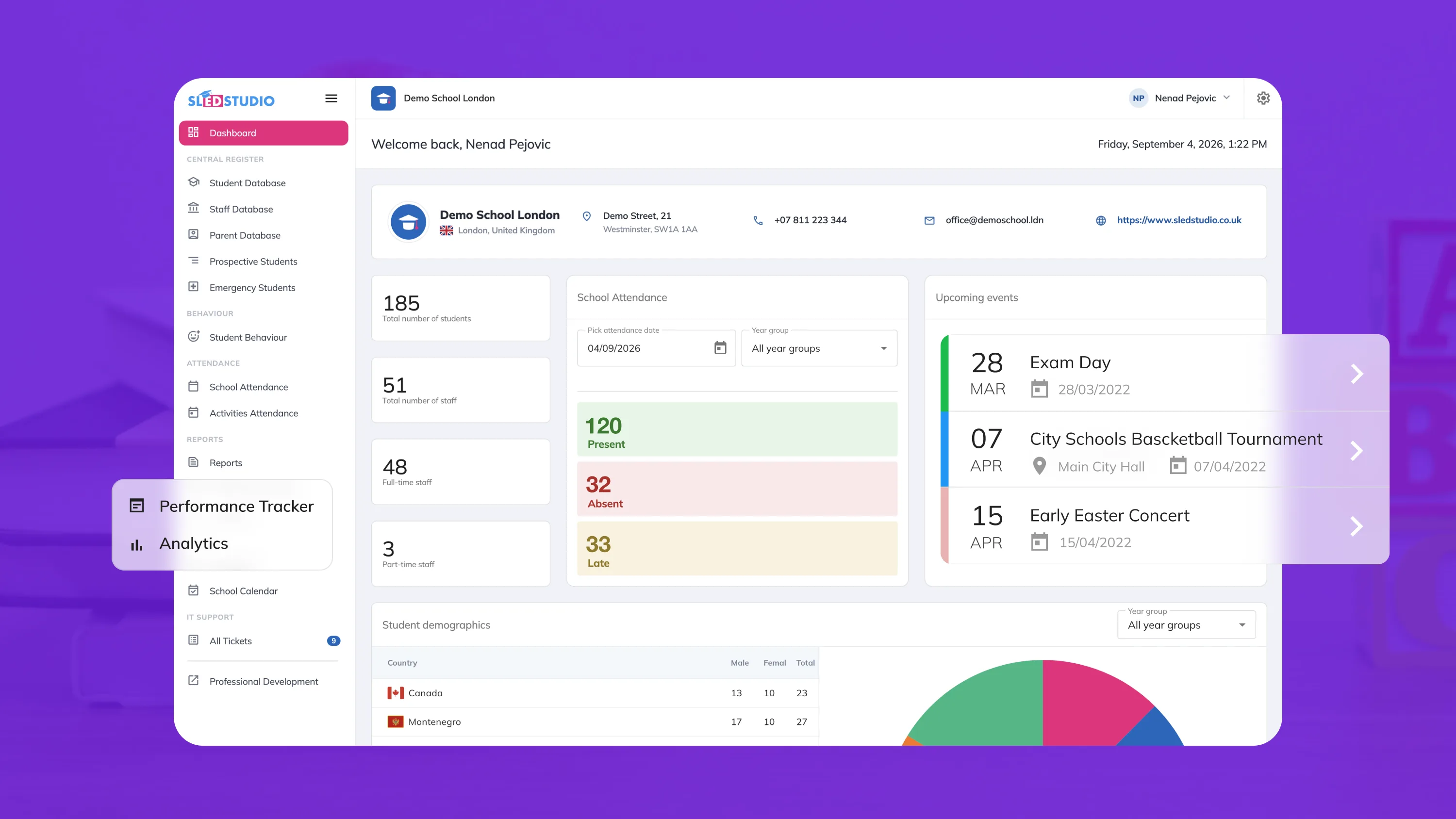
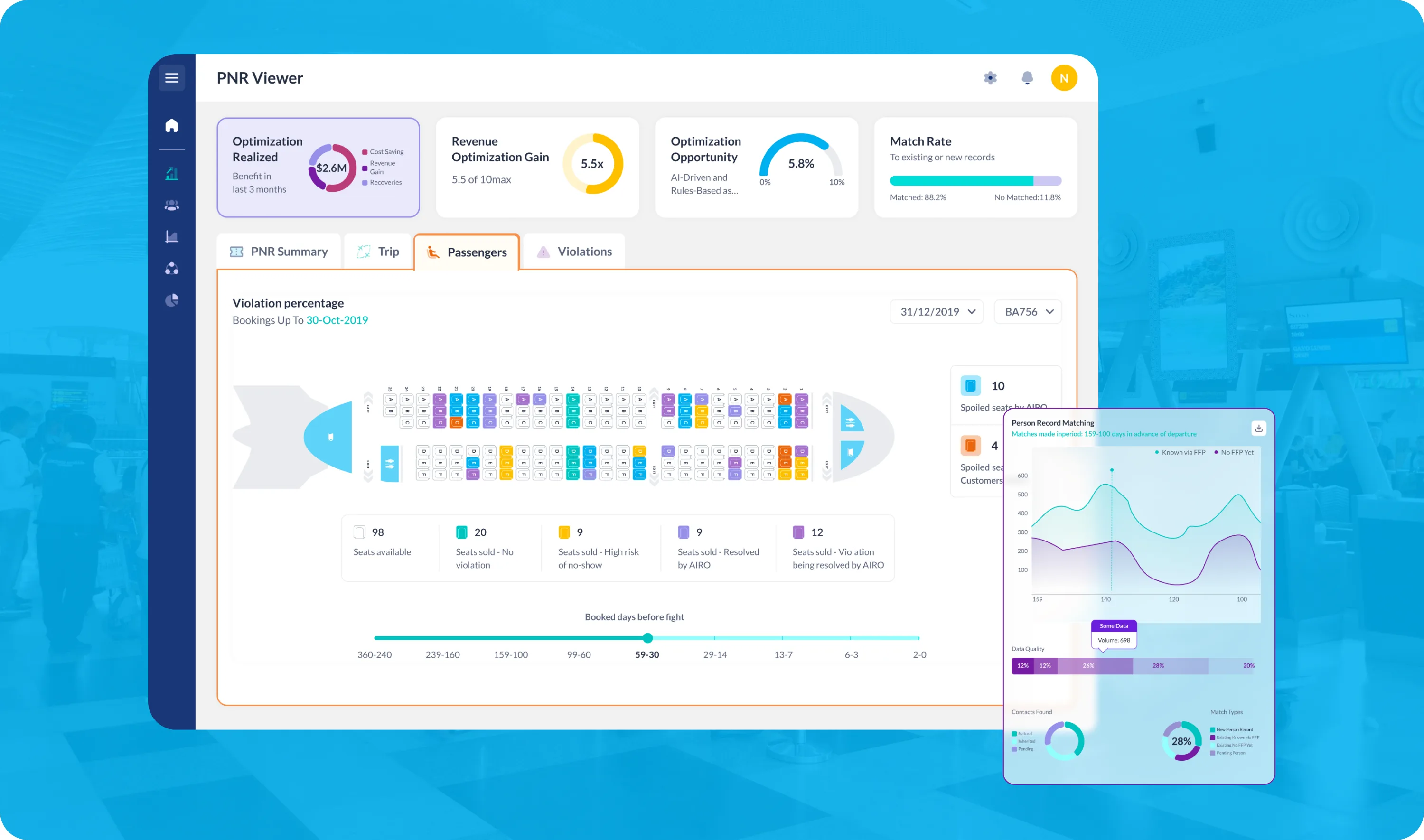
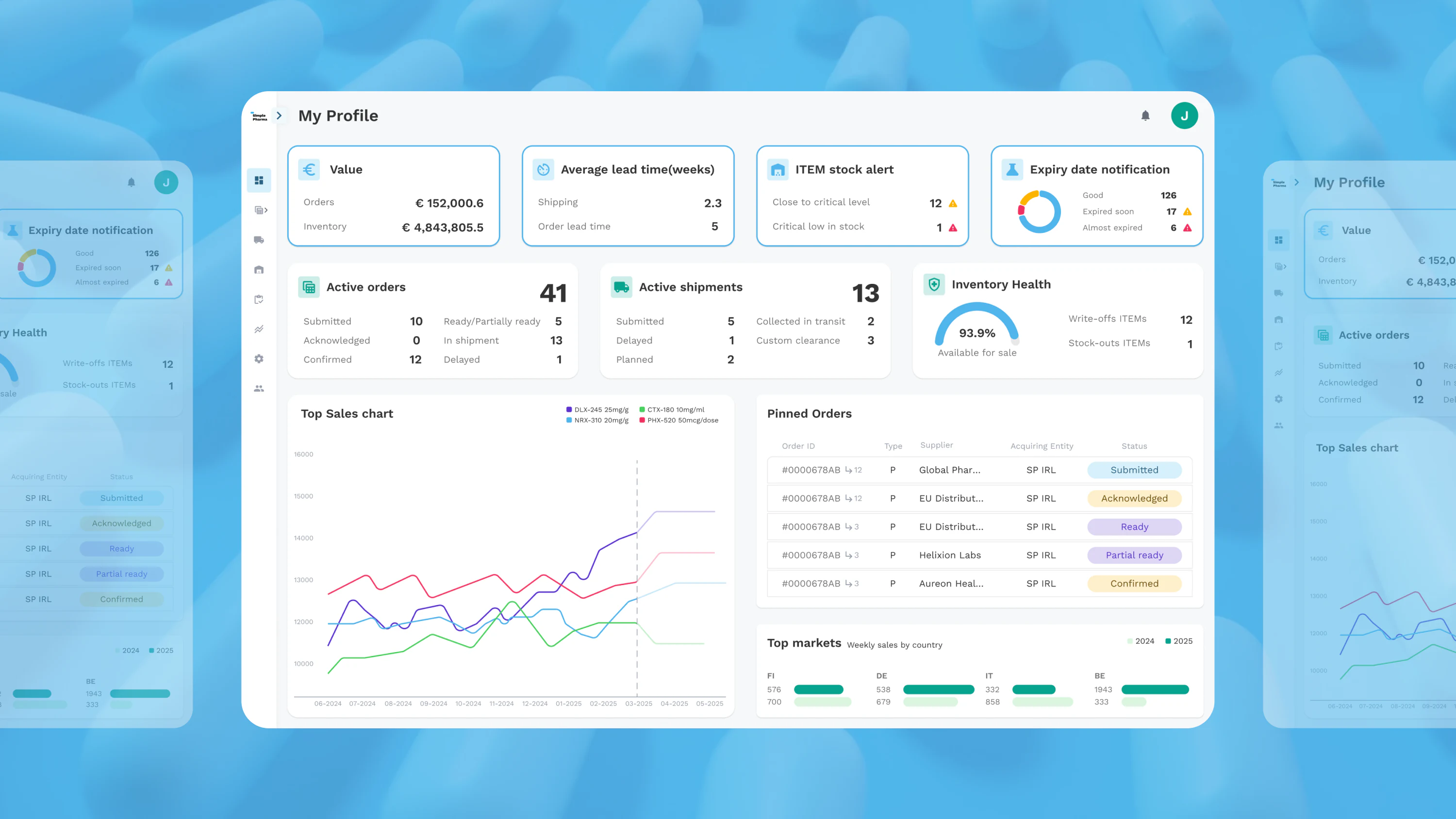
The user-facing product and the admin behind it: React and Next.js applications, role-based dashboards and operator screens. Everything sits on a design system so the interface stays consistent, with React Native where the product needs a mobile surface.
A tenancy model chosen for your case, shared or isolated per customer, with role-based access, permission scopes and an admin surface to manage users, roles and audit trails.
Payment and subscription integration, webhook handling and the third-party APIs your product depends on, with retries and failure handling for the calls that break under load.
A schema built for your domain, plus migration of existing data off spreadsheets or a legacy system, with backfills run and verified before cutover.
Logging, metrics, error tracking and alerting wired in, with CI/CD, automated tests and runbooks so your team can see failures and deploy without us.
The result
What you end up with
What you get
- A scoped backlog and a technical plan with the risks named up front
- Working features shipped weekly, demoed as they land
- A production frontend on a design system your team can extend
- A maintainable codebase with automated tests and CI/CD
- Documentation and runbooks your team can operate from
- A clean, integration-ready architecture you own
What changes for you
- A product that ships value weekly instead of stalling on rework
- Integrations that hold under real load, tested before they ship
- A codebase your team can take over, with reliability built in, not bolted on
How it works
From first call to launch
- Phase 0
Discovery and scope
Architecture, tenancy and the roadmap, agreed up front.
- Phase 1
Foundations and first slice
The core build and a first shippable slice.
- Ongoing
Ship weekly
Features and integrations land every week, tested and reviewed.
- Per milestone
Review and scale
We re-plan at each milestone and scale the squad to the work.
Discovery and planning
Scope, backlog and the real risks named up front before the build starts.
Weekly shipping
Working demos and tight feedback loops every week, so you see value early.
Quality gates stay on
Tests, code reviews and CI owned by senior leads. Trade-offs are explicit and written down, so we adjust the phase rather than stretch quietly.
- AI-augmented
AI in the delivery loop
Code assist, test generation, refactor and migration support speed the work, while humans own architecture, security and what ships under a written AI Use Policy.
Proof
Selected work
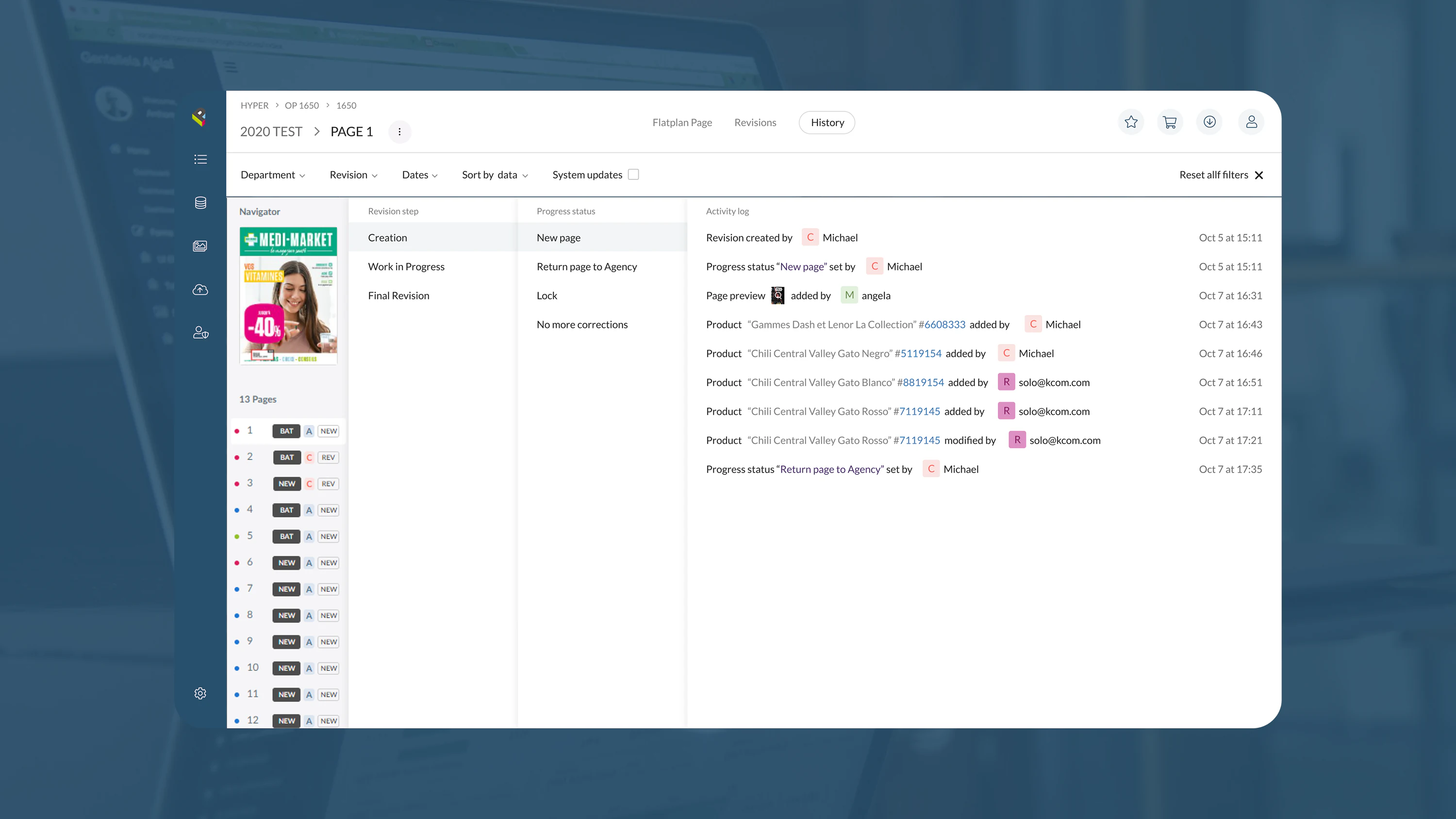
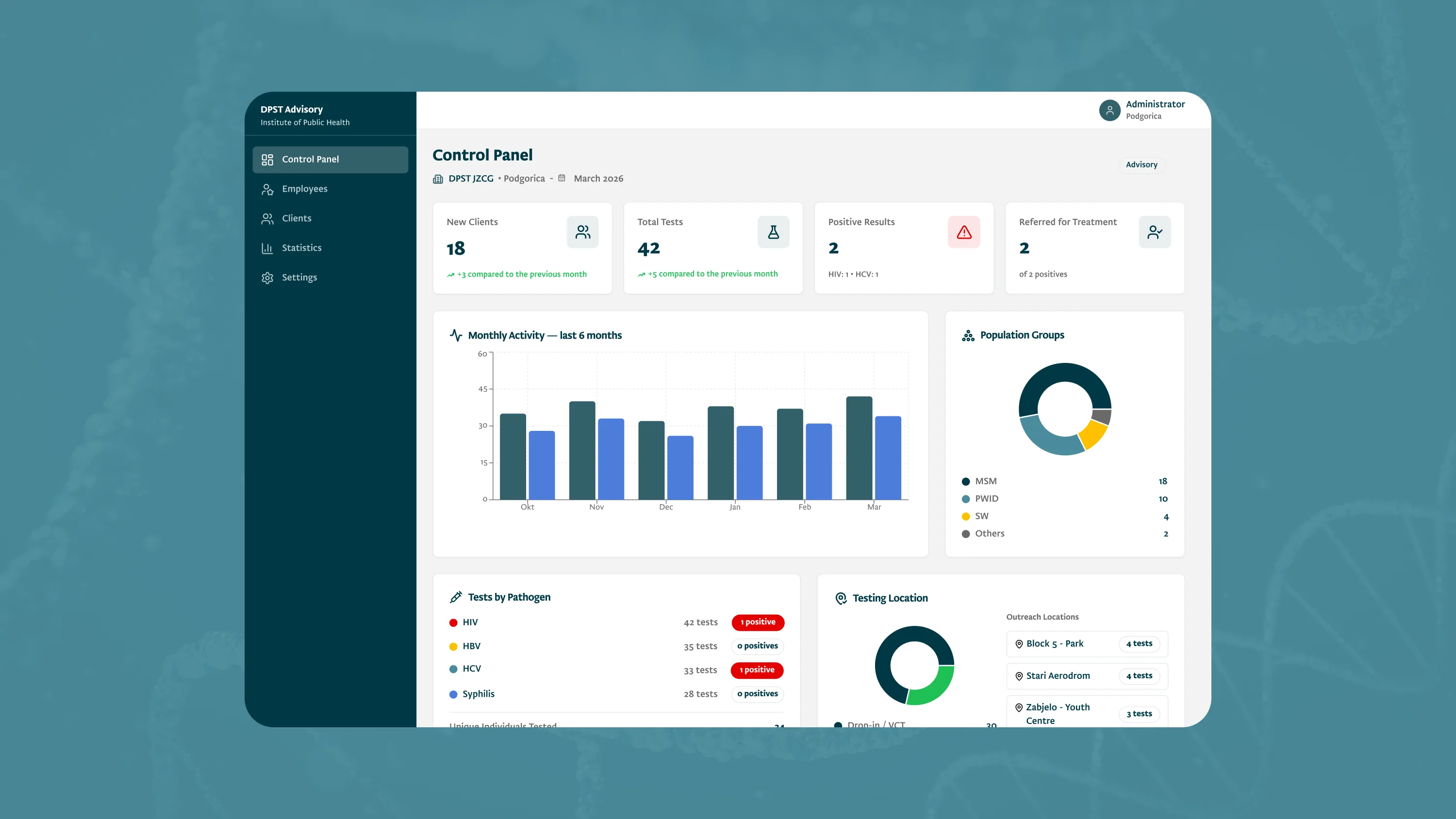
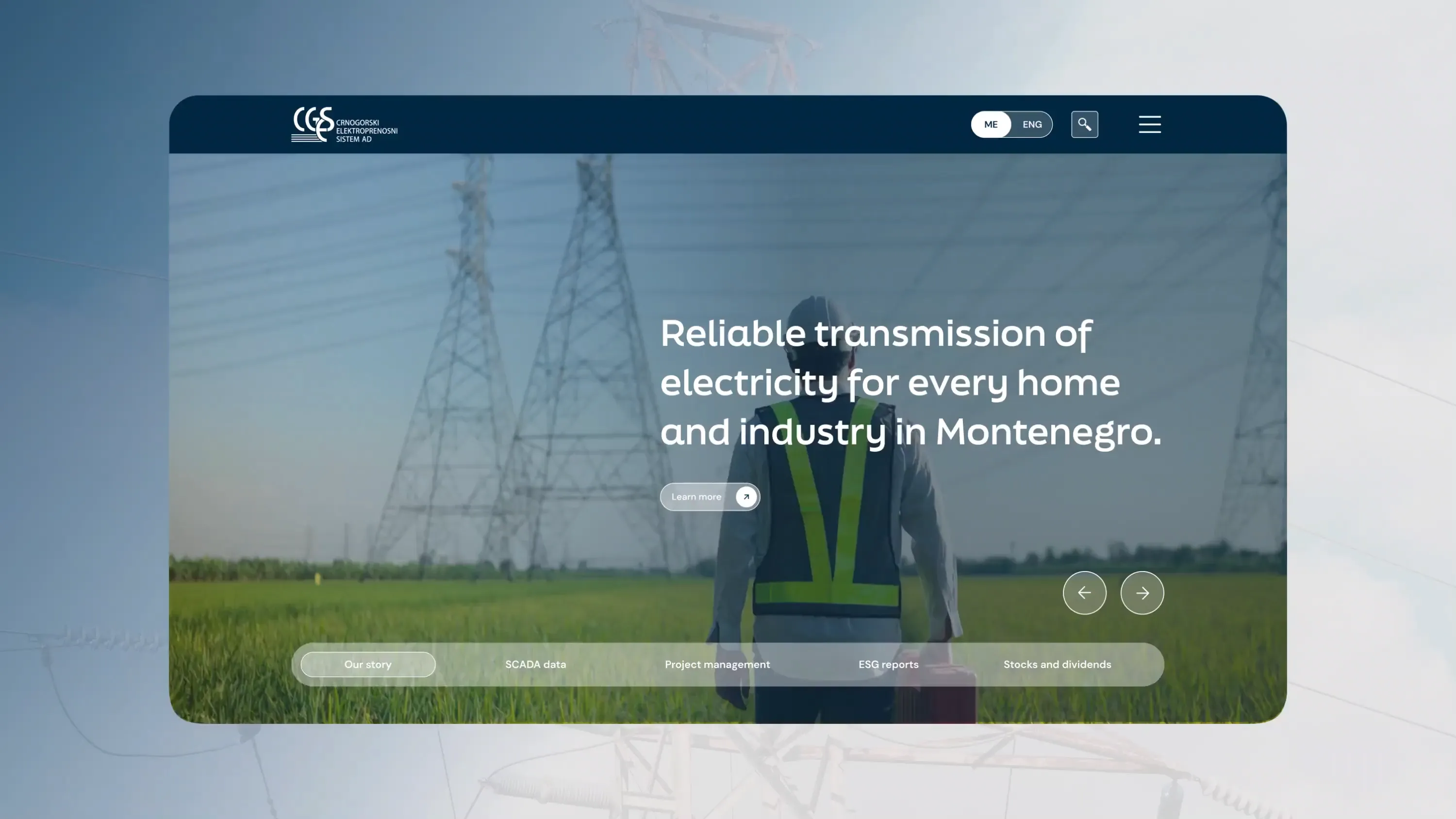
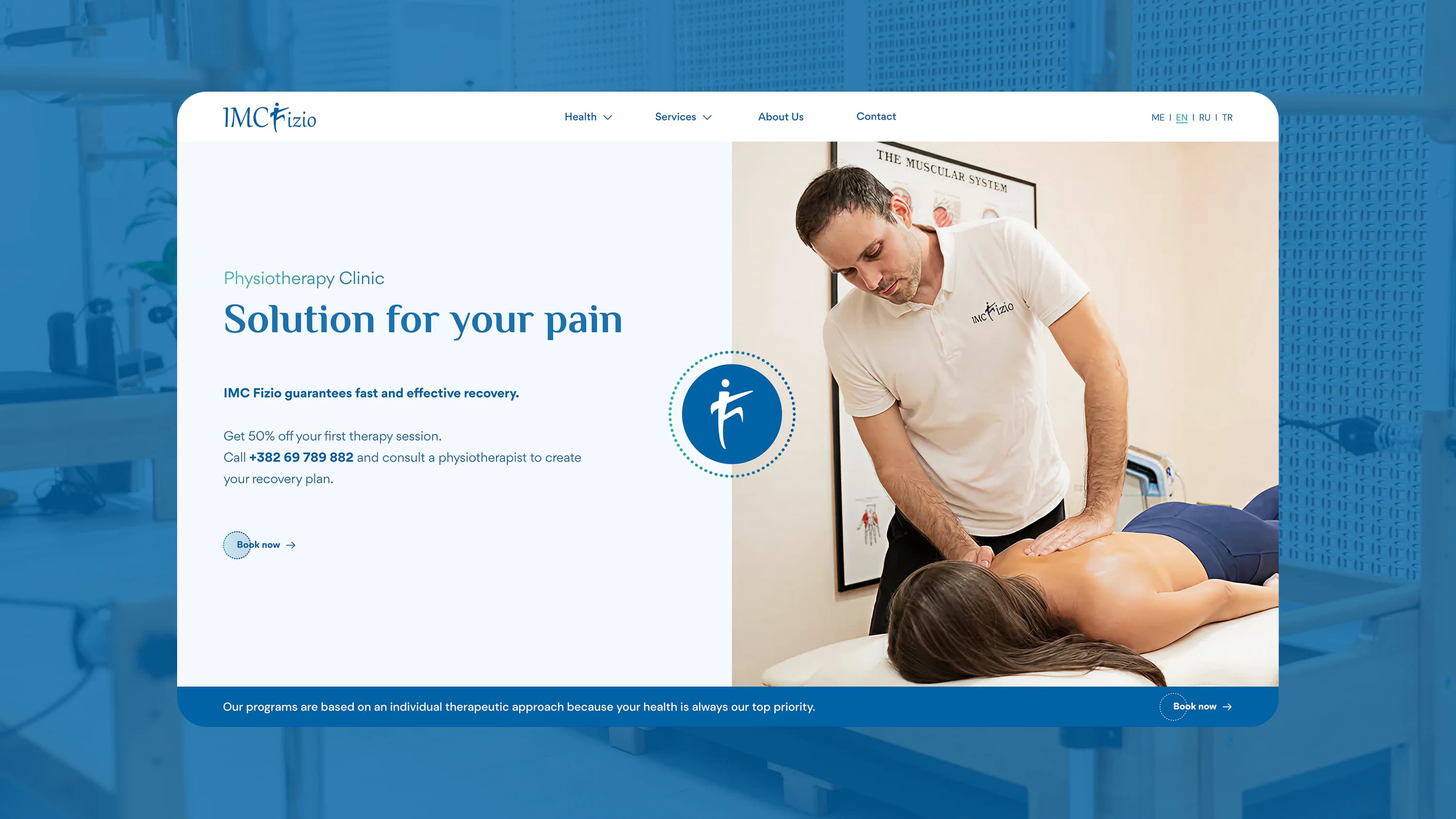
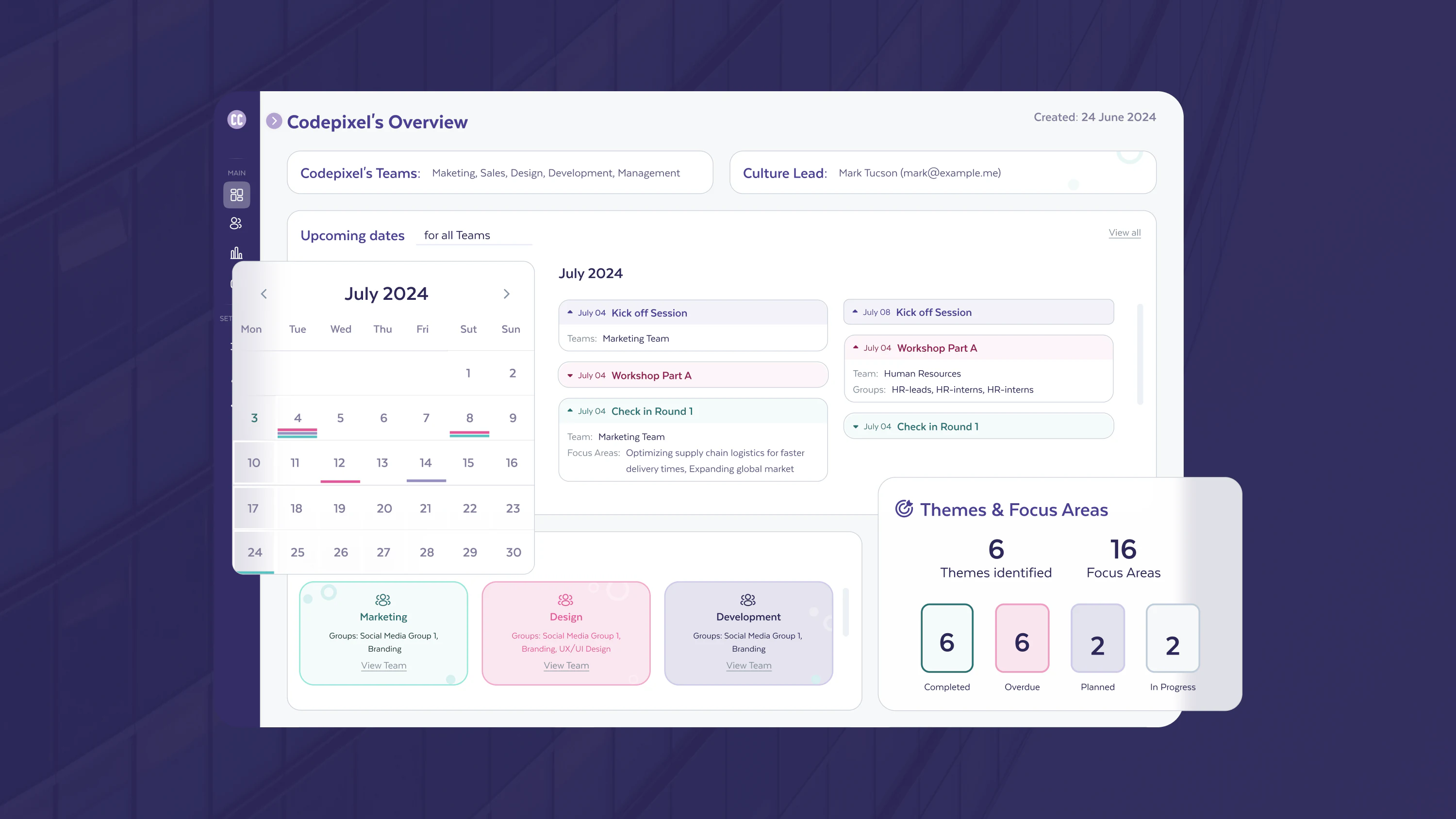
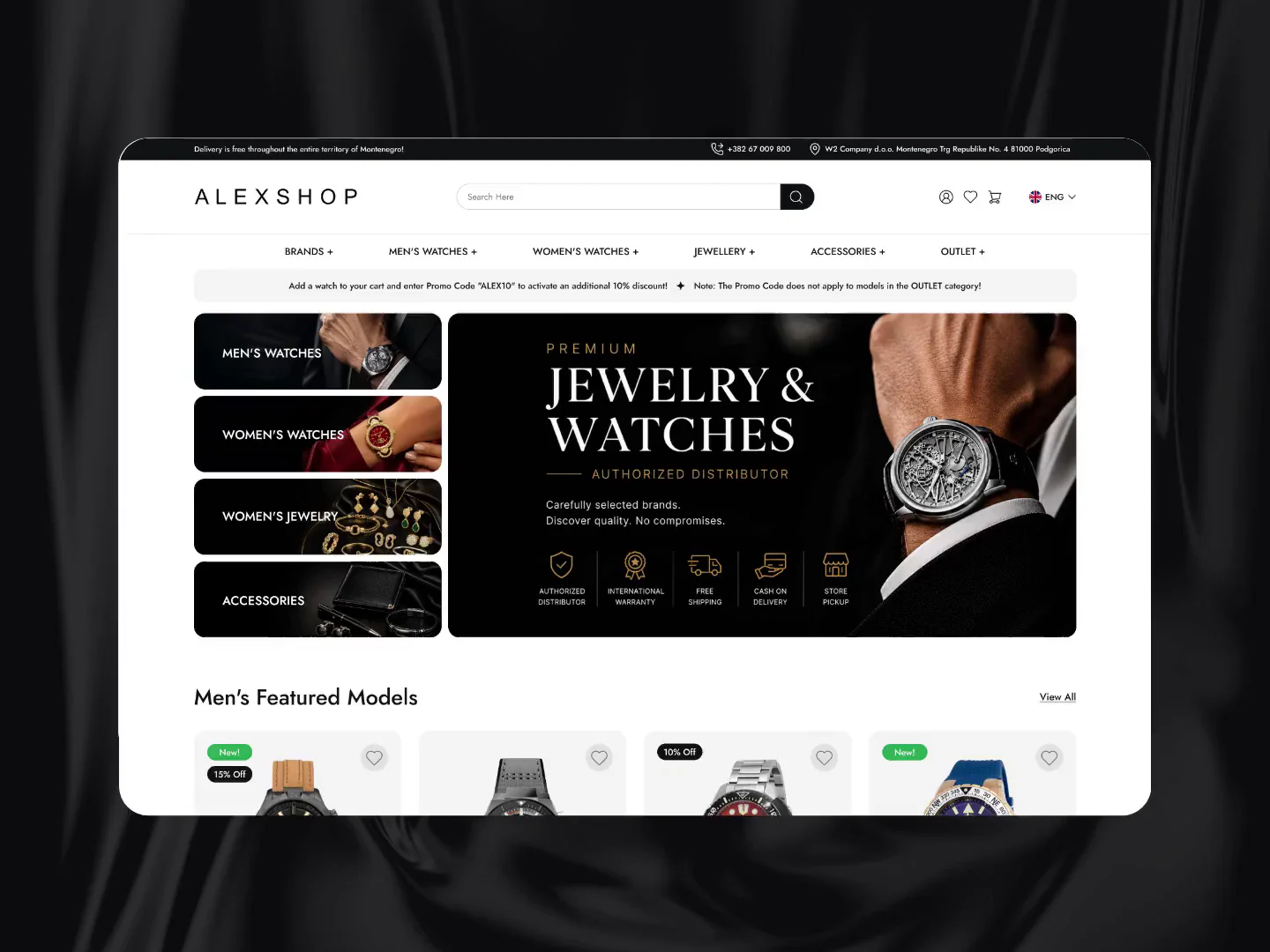
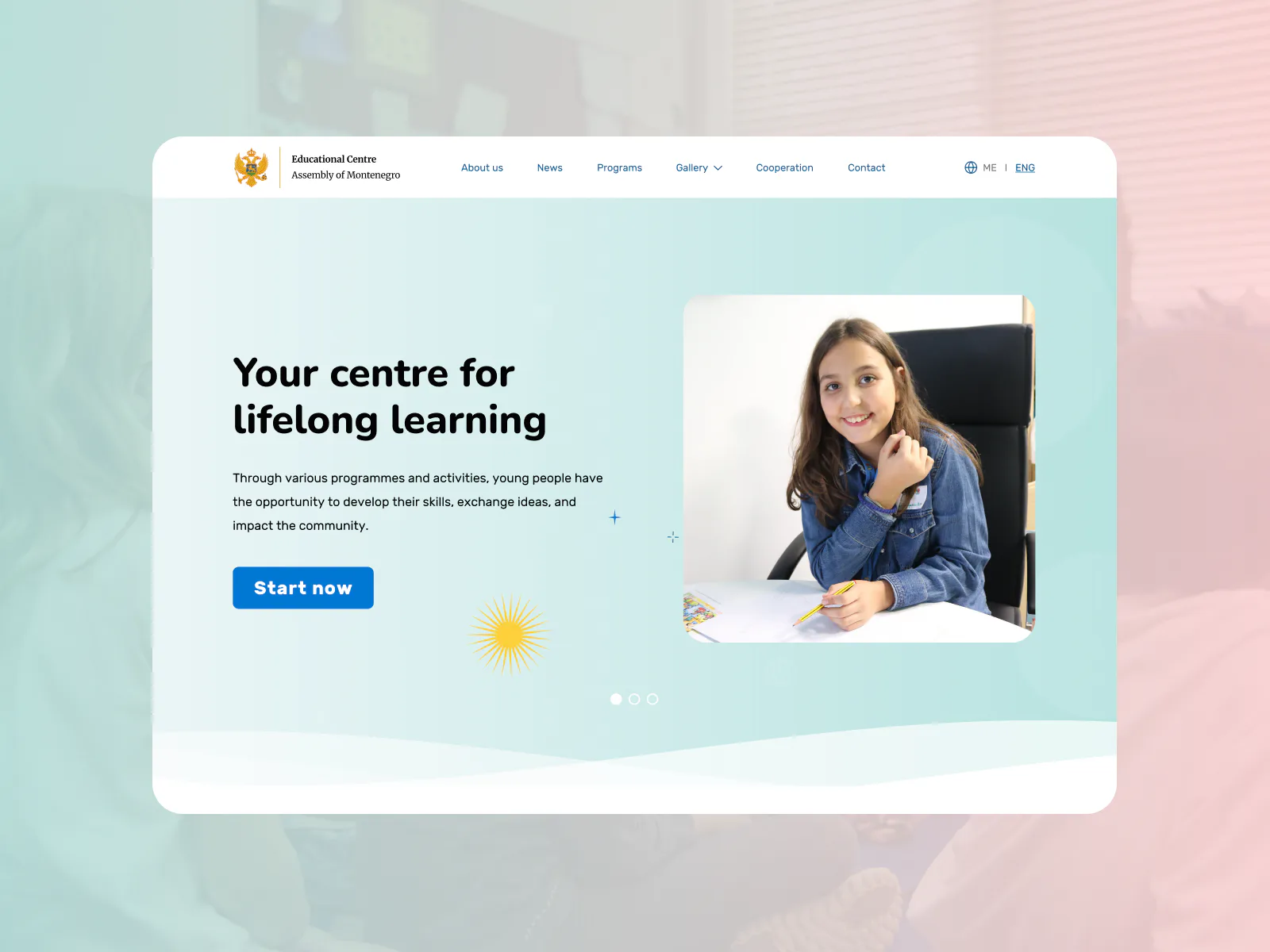
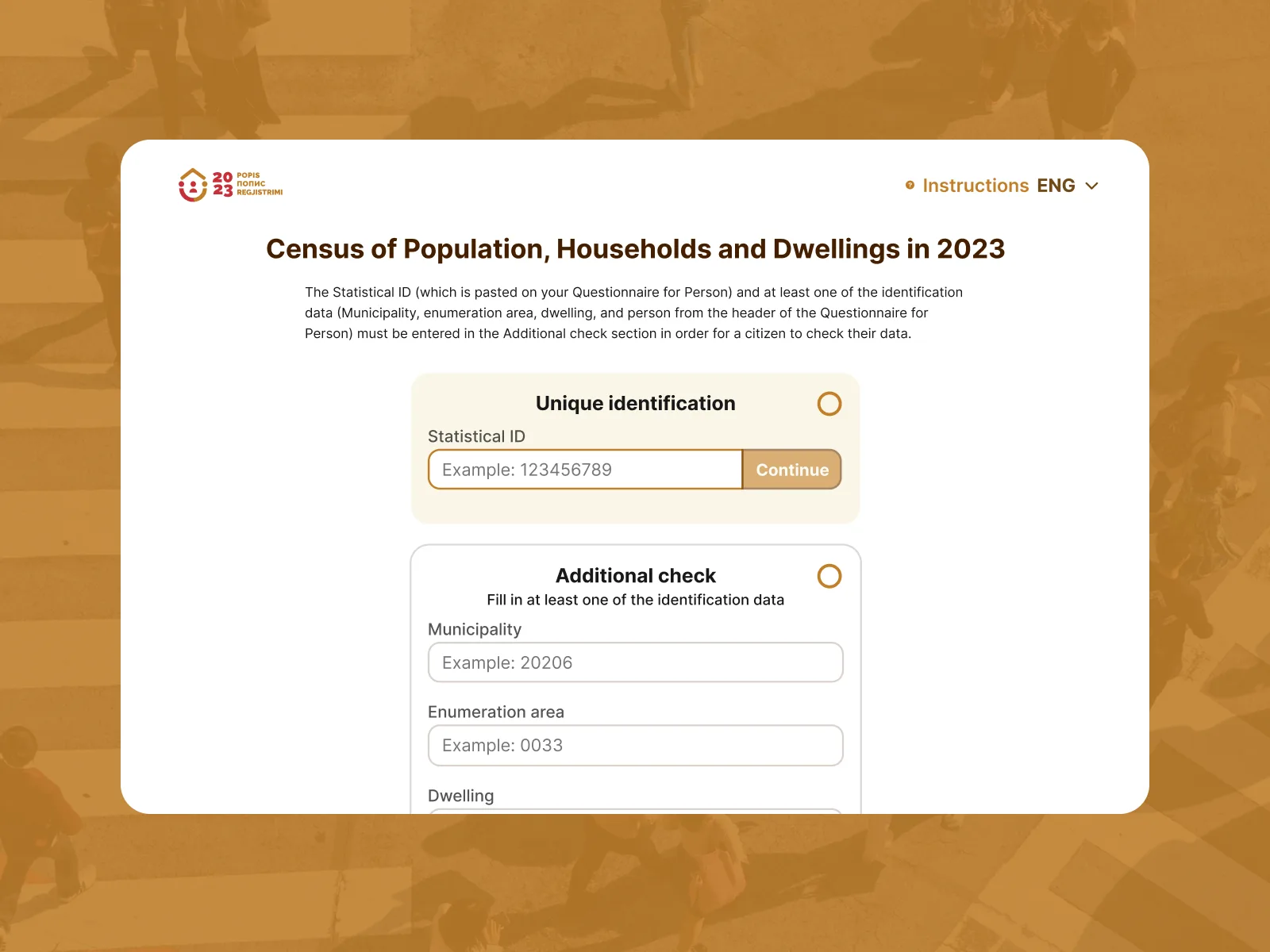
Builds like this one: complex platforms, marketplaces, data products and internal tools with real tenancy, integrations and uptime needs. Some are first builds, some we have run for years.






What it costs
How this is priced
We price by how defined the scope is. A custom build usually runs as fixed-scope phases once discovery sets the scope, so each phase has a clear deliverable and budget. Where the roadmap is still moving, we run a dedicated senior-led squad instead, so the same people keep context and keep shipping.
You start with a paid scoping sprint, not the full build, so you see the plan, the architecture direction and a phased budget before you commit to anything larger.
Where it fits
How this connects to the rest of our work
A custom build is a full engagement in its own right. These are the related places to look if a different starting point fits better.
Next step
How to get started with a custom build
Three steps from first call to a phased build that ships weekly.
Discovery call
30–45 minutes
A 30 to 45 minute call to understand the product, the constraints and where the risk lives. You talk to people who can answer product and technical questions on the spot.
Scoping sprint
1–3 weeks
A short scoping sprint to set the scope, the architecture direction and a phased plan before you commit to the full build.
Phased build
Ships weekly
We build in phases that ship weekly, with demos and clear success criteria, then keep going as a dedicated squad if the work warrants it.
FAQ
Common questions
It means working software lands in a real environment every week, not a status update. We slice the roadmap into thin vertical features so you see and use something each week, demoed as it ships rather than saved for a big reveal at the end.
That cadence is the point. It keeps feedback tight, surfaces the risky integrations early and means progress is something you can click on, not a percentage on a Gantt chart.
Each phase is fixed against what we know now, with a clear deliverable and budget, so you are never committing the whole build on day one. We re-plan at every milestone, which is where new priorities get folded in. The scope moves between phases, not silently inside one.
When the roadmap is genuinely still in motion, we will tell you a dedicated senior-led squad is the honest fit instead, so the same people keep context and keep shipping without re-quoting every change.
Yes, and the way to avoid that rewrite is to decide tenancy early, not late. Most SaaS pain we see traces back to tenant isolation, roles and billing being bolted on after launch. We choose row- or schema-level isolation up front so one customer can never reach another's data, design access control that survives new tenant types and admin roles, and we model plans, seats and usage limits into the product rather than patching them in later. We default to a modular monolith and split out services only when real load justifies it.
Both. A lot of our work is on products that already exist, whether adding to a React, Node, NestJS or .NET app, untangling a stalled build or rebuilding the parts that are holding you back. We start by reading the code and the data model, agreeing what stays, what gets refactored and what gets replaced, then shipping a first real slice before any large rewrite. We don't insist on a greenfield restart to feel comfortable, and we won't hand you back a black box.
We work through a small set of proven models: discovery and scoping sprints, fixed-scope projects, ongoing retainers for product growth and platform care, plus dedicated senior-led product squads. Fixed-scope projects cover work like MVPs, rebuilds and AI integrations. We'll recommend the lightest model that still protects outcomes and risk for both sides.
Solutions
Building something serious?
Tell us what you are building and where it is now. We will tell you the trade-offs and a realistic first phase. The first call is with our commercial lead, often joined by a senior product or engineering lead.
Build faster with AI
Our playbook for integrating AI into product design and development workflows.
Download the playbook